
Uber and Lyft Accidents in Florida: What Hialeah Riders Need to Know
Which insurance pays after an Uber or Lyft crash in Florida depends almost entirely on what the driver's app was doing at the moment of impact. Florida law (§ 627.748) divides a rideshare driver's day into phases, and the difference between those phases can mean the difference between $50,000 in available coverage and $1 million. Your own PIP still pays your first medical bills regardless of fault, the 14-day treatment deadline still applies, and you have two years from the crash to file a lawsuit.
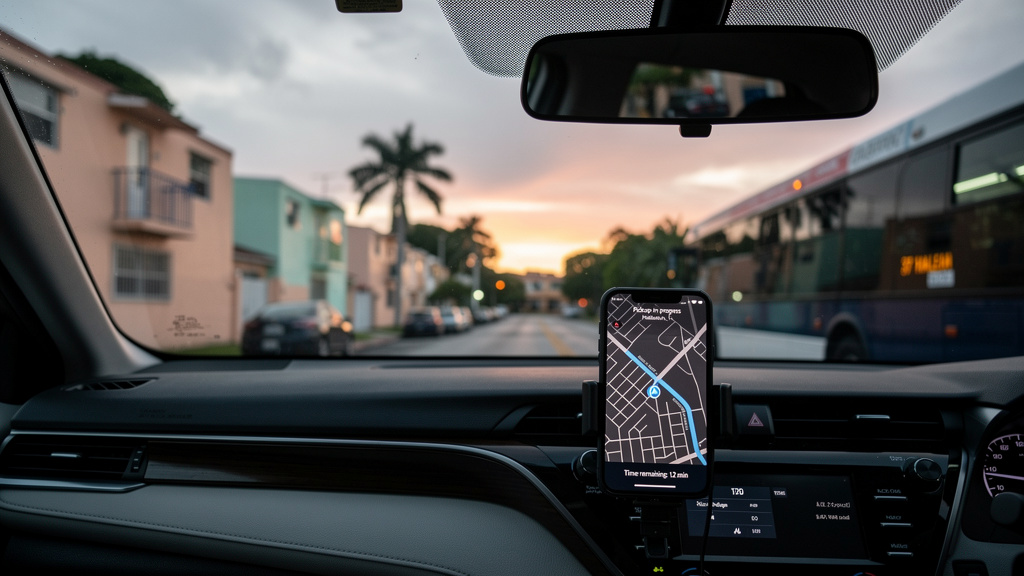
Which insurance pays after an Uber or Lyft crash in Florida depends almost entirely on what the driver’s app was doing at the moment of impact. Florida law (§ 627.748) divides a rideshare driver’s day into phases, and the difference between those phases can mean the difference between $50,000 in available coverage and $1 million. Your own PIP still pays your first medical bills regardless of fault, the 14-day treatment deadline still applies, and you have two years from the crash to file a lawsuit.
Which insurance actually applies, and why the driver’s app is the whole ballgame
Most people assume Uber or Lyft coverage kicks in automatically the moment a driver is involved in a crash. That is wrong, and the mistake can cost you the ability to reach the right policy.
Florida § 627.748 ties coverage to the driver’s app status at the moment of impact, not to whether the car had an Uber sticker or the driver was “working.”
Phase 0, app off. The driver is a private motorist. Only their personal auto policy applies. Florida does not require bodily injury liability coverage on personal policies, so available coverage could be zero.
Phase 1, app on, waiting for a ride request. The law requires at least $50,000 per person and $100,000 per incident in bodily injury liability, plus $25,000 in property damage, PIP, and UM/UIM coverage. Uber and Lyft carry this as contingent coverage that activates when the driver’s personal policy does not cover the loss. Most personal policies contain a rideshare exclusion, so this contingent coverage often becomes primary in practice.
Phases 2 and 3, ride accepted through drop-off. Once a driver accepts a request and until the passenger is dropped off, a $1 million primary liability policy, PIP, and UM/UIM coverage are required. Under current law, the $1 million requirement applies from acceptance through drop-off.
The difference between a Phase 1 case and a Phase 2 or 3 case can come down to a single screenshot of the driver’s app at the moment of the crash. That data is routinely deleted on platform schedules. It must be preserved within days, not weeks. See what a lawyer does first after an Uber or Lyft crash in Florida.
Who pays your medical bills first, and what does Florida PIP actually cover
Florida is a no-fault state, which means your own Personal Injury Protection (PIP) insurance pays your initial medical bills regardless of who caused the crash. That rule does not make the at-fault driver irrelevant. It just means PIP is the first stop, not the only stop.
Under § 627.736, PIP pays 80 percent of reasonable and necessary medical expenses and 60 percent of lost wages, up to $10,000 total, but only when a qualifying medical provider (a physician, osteopath, dentist, or certain other licensed providers) diagnoses an emergency medical condition. Without that diagnosis, PIP is capped at $2,500 total.
Florida’s 14-day PIP rule is absolute: if you do not receive initial treatment within 14 calendar days of the crash, PIP pays nothing. No exceptions.
Whose PIP pays, in the correct statutory order under § 627.736(4)(e):
- Your own Florida auto policy’s PIP pays first.
- If you have no Florida auto policy, a resident relative’s PIP policy pays.
- Only if neither exists does the PIP on the vehicle you occupied apply.
The Uber or Lyft driver’s PIP never comes first for a passenger who carries their own Florida policy or lives with someone who does. A tourist or Hialeah resident with no car and no household PIP policy will look to the rideshare vehicle’s coverage.
PIP covers a fraction of what a serious injury actually costs. The liability claim against the at-fault driver or the rideshare company’s policy is the path to fuller recovery, including lost wages beyond what PIP covers and non-economic damages. Learn more about Florida rideshare law and medical expenses.
Were you a passenger, another driver, a pedestrian, or a cyclist? Here is how your situation differs
Rideshare passenger. As a passenger, you usually did not cause the crash. If the Uber or Lyft driver caused the crash during Phases 2 or 3, the rideshare company’s $1 million primary liability policy is the main source of recovery. If another driver caused the crash, that driver’s bodily injury liability and the rideshare company’s UM/UIM coverage under § 627.727 are both in play. Making a claim does not mean suing the driver personally. It means making a claim against the driver’s insurer and the rideshare company’s policy.
Occupant of another vehicle. Your own PIP pays first in the statutory order described above. The at-fault rideshare driver’s applicable phase policy is then the liability source. If the rideshare driver was off-app, you may be facing a personal auto policy with little or no bodily injury coverage. In that situation, your own UM/UIM coverage under § 627.727 becomes critical.
Pedestrians and cyclists who are Florida residents. Under § 627.736(4)(e), they look first to their own PIP, then a resident relative’s, then the striking vehicle’s PIP. The liability claim goes against the at-fault driver’s policy for the applicable phase. See pedestrian and bicycle accident claims for more on how those cases work.
Direct claims against Uber or Lyft as a company. Under § 627.748(18), Florida courts have interpreted the TNC (Transportation Network Company) statute to provide broad immunity to the platform itself for most general-law negligence claims arising from a ride, as long as the company met its statutory obligations and was not engaged in criminal wrongdoing. The Fourth District Court of Appeal’s 2026 decision in Haddad v. Lyft Florida, Inc. is illustrative of how courts are applying this immunity provision. This does not eliminate insurance coverage. It affects whether you can sue the platform directly for negligence, separate from the insurance obligations the platform must satisfy. If you were hit by an Uber while walking or biking in Hialeah, the analysis on which coverage applies follows the same phase framework.
How are pain and suffering and other non-economic damages calculated and settled
PIP does not pay pain and suffering. To recover for pain and suffering, mental anguish, inconvenience, or loss of enjoyment of life from the at-fault driver, § 627.737(2) requires proof of one of these three things: a permanent injury within a reasonable degree of medical probability, significant and permanent scarring or disfigurement, or permanent loss of an important bodily function. A soft-tissue injury that fully resolves typically does not meet this threshold.
Under § 768.81(6) modified comparative negligence, if you are found partly at fault, your damages are reduced by your percentage of fault. If you are found more than 50 percent at fault, you recover nothing.
Settlements are built from a demand package, typically assembled after the injured person has reached maximum medical improvement (the point where further significant recovery is not expected). That package includes medical records, itemized bills, lost wage documentation, and a narrative of how the injury changed your daily life.
Insurance adjusters handling claims for Uber, Lyft, and third-party carriers work to limit what the insurer pays. They may dispute the severity of your injuries, argue that your treatment was excessive, or raise comparative fault arguments. They do not volunteer full value. The 2023 tort reform changed Florida’s bad-faith rules: an insurer can avoid a bad-faith claim if it tenders policy limits or the demanded amount within 90 days of receiving notice. That change creates pressure on insurers to resolve within policy limits rather than litigate exposure.
UM/UIM coverage under § 627.727 (which must be rejected in writing to be waived) can provide an additional layer of recovery when the at-fault driver’s policy is exhausted or insufficient. Read about pain and suffering in Uber and Lyft accident claims for a fuller explanation of how these damages are evaluated.
What should you collect at the scene and in the days after a rideshare crash
At the scene:
- Photograph all vehicles, visible damage, license plates, road conditions, and traffic controls.
- Photograph any visible injuries.
- Get the names, phone numbers, and insurance information of every driver involved.
- Identify witnesses and get their contact information before they leave.
Rideshare-specific steps:
Screenshot or photograph the Uber or Lyft app on your own phone showing the trip in progress. This is the single most important piece of evidence for establishing Phase 2 or 3 coverage. Note the driver’s name and rating as displayed in the app. Request the trip receipt from the app immediately after the crash.
Crash report:
Under § 316.066, Florida crash reports are confidential for 60 days except to the parties, their insurers, and their attorneys. You are entitled to your own report. The Hialeah Police Department report can be requested directly through that agency.
Medical documentation:
Seek evaluation within 14 days of the crash. There are no exceptions to that deadline. Keep records of every provider you visit, every prescription, and every missed workday.
Communications:
Do not give a recorded statement to any insurance adjuster, including your own, before speaking with a lawyer. Notifying your insurer promptly as required by your policy is different from giving a recorded statement. Send a written preservation demand to Uber or Lyft within days of the crash requesting that they retain all trip data, GPS records, driver logs, and communications related to the ride. Waiting weeks to do this risks losing app data that may have already been deleted.
See what to bring to an Uber accident lawyer consultation for a checklist to organize before your first call.
What are the deadlines, and how does a lawyer help with a rideshare claim
Two hard deadlines apply, and they are not the same.
The first deadline is 14 days. Under § 627.736, if you do not receive initial medical treatment within 14 calendar days of the crash, you forfeit all PIP benefits. This deadline passes long before most people think about hiring a lawyer.
The second deadline is two years. Under § 95.11, for accidents occurring on or after March 24, 2023, you have two years from the crash date to file a personal injury lawsuit. Missing this deadline almost certainly ends the case permanently. Two years sounds long. Evidence fades, witnesses move, and app data is routinely deleted on platform schedules unless a litigation hold is in place early.
A lawyer handling a rideshare case specifically: identifies which coverage phase applied by obtaining app data before deletion; sends preservation letters to Uber or Lyft within days of being retained; determines the correct order of PIP policies; pursues all applicable liability policies simultaneously (the driver’s personal policy, the rideshare company’s phase-specific policy, and UM/UIM on the client’s own policy); builds the medical record package; calculates economic and non-economic damages; and negotiates with multiple adjusters who are not on the client’s side.
On fees: personal injury lawyers in Florida are paid a percentage of the recovery. The client pays no attorney’s fees unless the case results in a settlement or judgment. There is no upfront cost. If one lawyer declines a case, that decision does not close the door. Other attorneys may evaluate the same facts differently. Do I need a lawyer after an Uber accident claim in Florida answers more questions about when legal help adds value. You can also read about how to hire a lawyer after an Uber accident in Hialeah.
Frequently asked questions
I was a passenger in a Lyft that got rear-ended in Miami. Do I go through Lyft’s insurance, the other driver’s insurance, or my own?
All three may be relevant, and the order matters. Your own PIP pays your first medical bills regardless of fault, in the statutory order under § 627.736(4)(e). The driver who rear-ended the Lyft is the at-fault party, so that driver’s bodily injury liability policy is the primary source for a liability claim. If that driver’s coverage is insufficient or nonexistent, Lyft’s UM/UIM coverage may apply as a secondary layer, provided the ride was in Phase 2 or 3.
What happens if my Uber driver was not at fault, can I still recover?
Yes. Your PIP pays your initial medical bills regardless of who caused the crash. If another driver was at fault, the claim for pain and suffering and additional damages goes against that driver’s bodily injury liability policy. If that driver had no insurance or too little coverage, Uber’s UM/UIM policy (available during Phases 2 and 3 under § 627.748) may cover the gap, subject to the permanent injury threshold under § 627.737(2).
What does Florida’s 14-day rule mean for an Uber accident, and what counts as treatment?
Under § 627.736, you must receive initial medical evaluation from a qualifying provider within 14 calendar days of the crash or PIP pays nothing. Qualifying providers include physicians, osteopaths, dentists, and certain other licensed practitioners. An emergency room visit, urgent care visit, or appointment with your primary care doctor within that window counts. Waiting to see whether you feel better is the most common reason PIP claims are denied.
Can I sue Uber or Lyft directly if their driver hurt me?
Florida § 627.748(18) provides broad immunity to the platform itself for most general-law negligence claims arising out of a ride, as long as the company met its statutory insurance obligations and was not engaged in criminal wrongdoing. The Fourth DCA’s 2026 Haddad v. Lyft Florida, Inc. decision reflects how Florida courts are applying this provision. Claims typically proceed against the driver and through the rideshare company’s required insurance policies rather than as direct negligence lawsuits against Uber or Lyft as a corporate entity. A lawyer can evaluate whether any exception to that immunity applies in a specific situation.
The Uber driver had no bodily injury insurance and the app was off. What are my options?
When the app is off, the driver is a private motorist and only their personal auto policy applies. Florida does not require bodily injury liability on personal policies, so that policy may carry none. Your first step is still PIP from your own policy for initial medical bills. Beyond that, your own UM/UIM coverage under § 627.727 becomes the most important source of recovery, provided you have it and did not reject it in writing. If you have no UM/UIM coverage and the driver has no bodily injury liability, a lawsuit against the driver personally is possible but recovery depends entirely on what assets the driver holds. Review uninsured driver claim options in Florida for more detail.
- Hurt in an Uber Crash and Still in the Hospital: How to Hire a Lawyer From Bed
- I Was Injured Driving for Uber in Hialeah, Who Pays My Medical Bills?
- My Uber Crash Bills Are More Than PIP Covers, Who Pays the Rest?
- Was the Uber Driver on the App When They Hit You? How to Find Out
- No Car, No Insurance: Who Pays Your Medical Bills When an Uber Hits You in Florida
- Are Online Uber Accident Settlement Ranges and Calculators Accurate?
- Does It Matter Whether the Uber Driver Had a Ride When the Crash Happened?
- How an Uber Accident Settlement Works and Where the Money Goes
Hurt in an accident in Hialeah? Call Wolfson & Leon at 305-965-3766 for a free consultation. We speak Spanish, and there is no fee unless we win.
Key facts
- Florida law ties rideshare insurance coverage to the driver's app status at the moment of impact, app off means only the driver's personal policy applies; app on but waiting means at least $50,000/$100,000 bodily injury coverage; ride accepted through drop-off means a $1 million primary liability policy must be in place. Source: Florida Statutes § 627.748
- PIP pays 80 percent of reasonable medical bills and 60 percent of lost wages up to $10,000 when a qualifying provider diagnoses an emergency medical condition, or only up to $2,500 without that finding. Initial treatment must happen within 14 days of the crash or PIP pays nothing. Source: Florida Statutes § 627.736
- The injured person's own PIP policy pays first; if they have none, a resident relative's PIP pays; only if neither exists does the PIP on the vehicle they occupied apply. The striking driver's PIP never comes first for a passenger. Source: Florida Statutes § 627.736(4)(e)
- Pain and suffering damages from the at-fault driver require proof of a permanent injury, significant scarring, or permanent loss of a bodily function. Source: Florida Statutes § 627.737(2)
- The deadline to file a personal injury lawsuit in Florida is two years from the date of the crash for accidents that occurred on or after March 24, 2023. Source: Florida Statutes § 95.11
Frequently asked questions
I was a passenger in a Lyft that got rear-ended in Miami. Do I go through Lyft's insurance, the other driver's insurance, or my own?
You may ultimately draw from more than one policy. Your own PIP, or a resident relative's if you have no policy, pays first for your medical bills and lost wages regardless of fault, up to the applicable limit under § 627.736. The at-fault driver's bodily injury liability policy is the next source for damages beyond PIP. If the ride was accepted and in progress, Lyft's $1 million liability policy is also available. If the other driver was uninsured or underinsured, your own UM/UIM coverage under § 627.727 can fill the gap. The right sequence depends on which policies exist and which phase of the ride you were in, and sorting that out quickly matters.
What happens if my Uber driver was not at fault, can I still recover?
Yes. As a passenger you usually did not cause the crash, regardless of which driver did. If another driver caused the collision, their bodily injury liability coverage is the primary target, and Uber's UM/UIM coverage (required during Phases 2 and 3) can cover losses that exceed the other driver's policy limits. Your own PIP still covers initial medical bills and a portion of lost wages under § 627.736 no matter who was at fault.
What does Florida's 14-day rule mean for an Uber accident, and what counts as treatment?
Under § 627.736, if you do not receive initial medical treatment within 14 calendar days of the crash, your PIP benefits are forfeited entirely, you cannot go back and reclaim them later. Treatment must be from a licensed provider such as a physician, osteopath, dentist, or certain other qualified providers; a visit to an emergency room, urgent care center, or your primary care doctor all qualify. The 14-day clock runs from the date of the crash, not from when you decide whether to make a claim, so it is safer to be evaluated promptly even if you feel your injuries are minor.
Can I sue Uber or Lyft directly if their driver hurt me?
Florida's TNC statute (§ 627.748(18)) gives Uber and Lyft broad immunity from most general-law claims arising out of a ride, as long as the company met its statutory obligations and was not engaged in criminal wrongdoing. A Florida appeals court applied this immunity broadly in a 2026 decision involving Lyft. In practical terms, this means the path to recovery in most crash cases runs through the applicable insurance policies, the driver's personal policy, the rideshare company's Phase 1 or 2/3 coverage, and UM/UIM, rather than through a direct negligence claim against the platform itself. An attorney can evaluate whether any exception to that immunity applies in your specific situation.
The Uber driver had no bodily injury insurance and the app was off. What are my options?
If the driver's app was completely off at the time of the crash, no rideshare coverage applies, the driver is treated as a private motorist. Florida does not require personal auto policies to carry bodily injury liability coverage, so there may be little or nothing available from the driver's own policy. Your best remaining options are your own UM/UIM coverage (§ 627.727), which pays when the at-fault driver has no or insufficient bodily injury coverage, and your own PIP for initial medical bills. This is exactly why UM/UIM coverage matters and why Florida law requires it to be rejected in writing if you choose not to carry it.
This article is general information about Florida law, not legal advice, and reading it does not create an attorney-client relationship. Every case is different and past results do not guarantee a similar outcome. For advice about your situation, call Wolfson & Leon at 305-965-3766 for a free consultation.
Also available in: Versión en español
 Uber and Lyft accidents
How Rideshare Accident Settlements Work in Miami-Dade, Florida
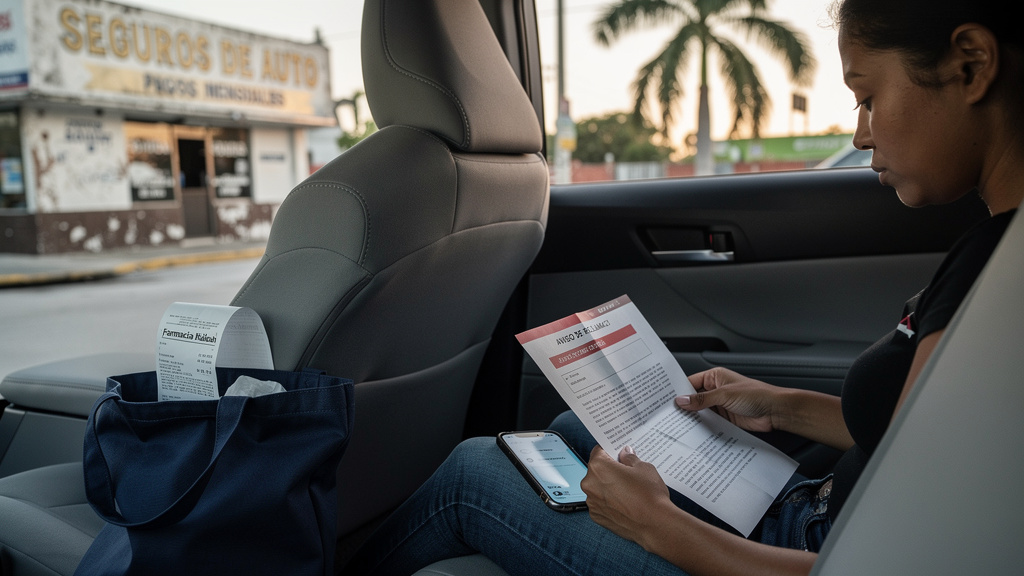
A rideshare accident settlement in Miami-Dade is shaped by five things: how serious and permanent your injury is, what your medical bills and lost…
 Uber and Lyft accidents
Who Pays My Medical Bills After an Uber Accident in Florida?
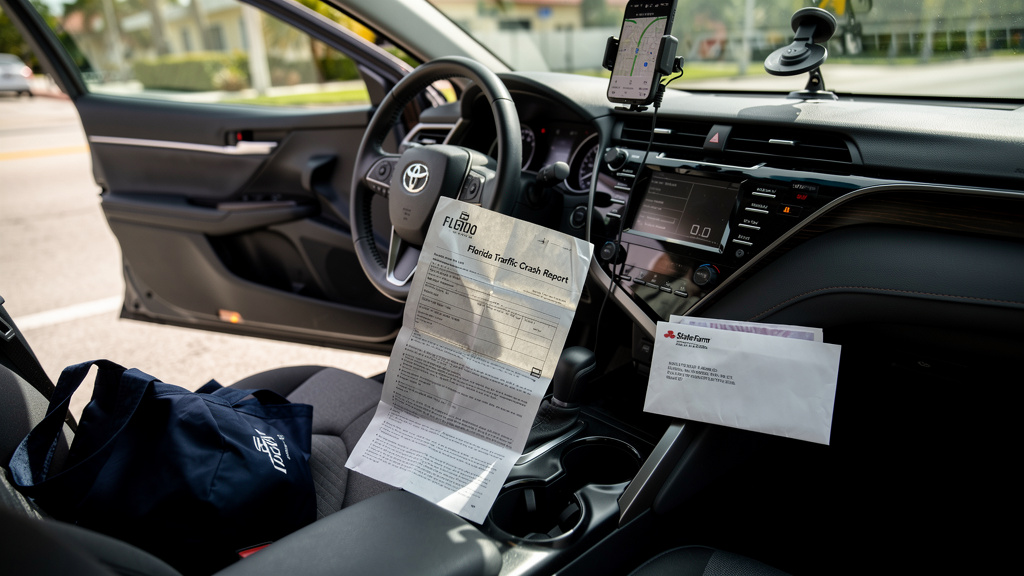
After an Uber accident in Florida, your own PIP insurance pays your first medical bills, up to $10,000 if a doctor confirms an emergency medical…
 Uber and Lyft accidents
Can You Get Pain and Suffering After an Uber or Lyft Accident in Florida?
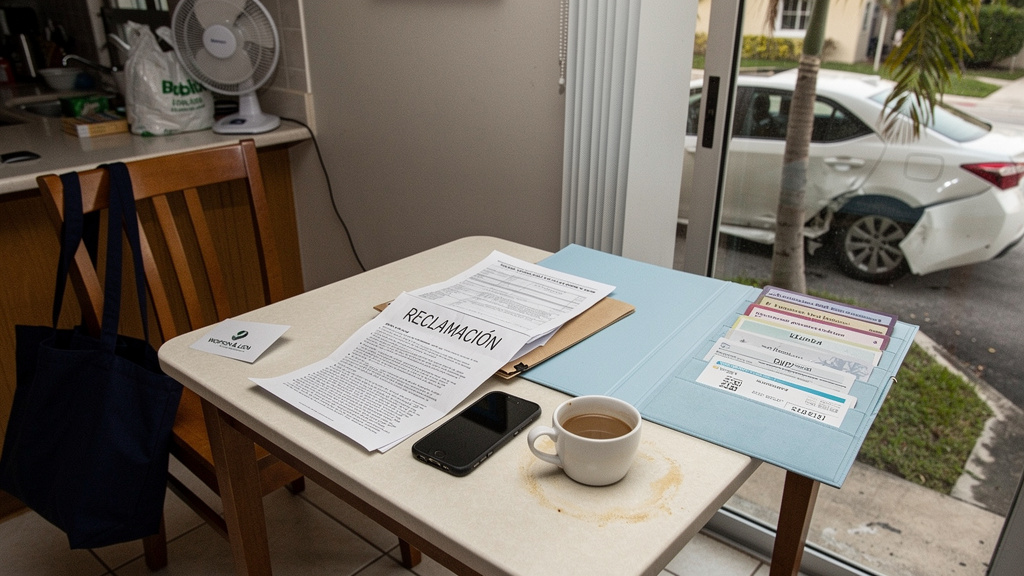
Yes, but only if your injury meets Florida's permanent-injury threshold. Under Fla. Stat. § 627.737(2), you cannot recover pain and suffering from…