
Can You Get Pain and Suffering After an Uber or Lyft Accident in Florida?
Yes, but only if your injury meets Florida's permanent-injury threshold. Under Fla. Stat. § 627.737(2), you cannot recover pain and suffering from an at-fault driver, or, in most cases, that driver's rideshare insurer, unless your injury qualifies as a permanent injury within a reasonable degree of medical probability, a significant and permanent loss of an important bodily function, significant and permanent scarring or disfigurement, or death. If your injuries do not clear that bar, your recovery is limited to economic losses such as medical bills and lost wages beyond what PIP already covered.
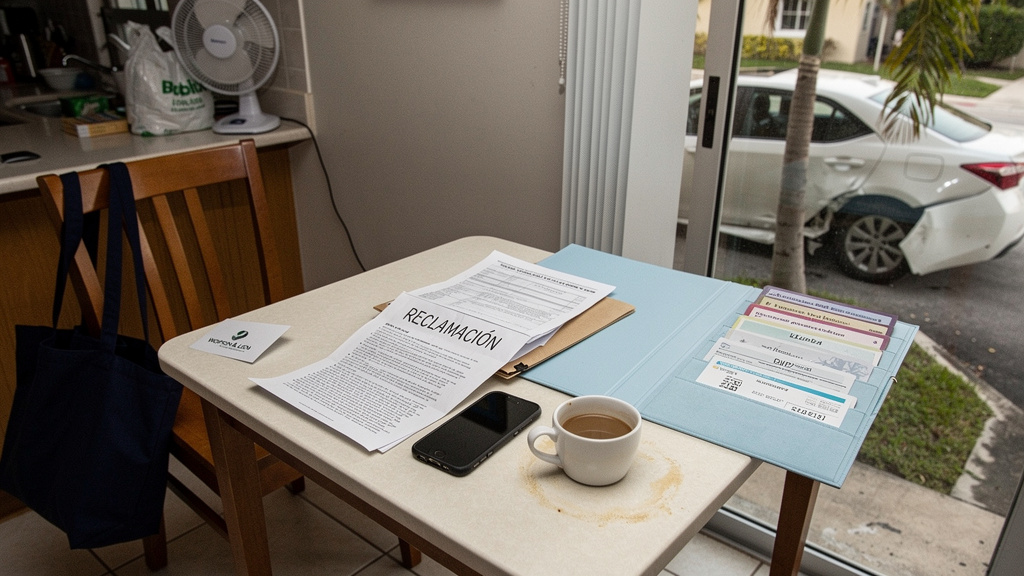
Yes, you can recover pain and suffering after an Uber or Lyft accident in Florida, but only if your injury meets the state’s permanent-injury threshold. Under Florida Statute § 627.737(2), you cannot claim non-economic damages like pain and suffering from the at-fault driver, or, in most cases, their rideshare insurer, unless your injury qualifies as a permanent injury within a reasonable degree of medical probability, a significant and permanent loss of an important bodily function, significant and permanent scarring or disfigurement, or death. If your injuries do not meet this standard, your recovery is limited to economic losses such as unpaid medical bills and lost wages beyond what PIP already covered.
What is the pain-and-suffering rule in Florida rideshare crashes?
Florida operates under a no-fault system, which blocks most pain-and-suffering claims unless your injury crosses a strict legal line known as the “verbal threshold” under Fla. Stat. § 627.737(2). Many people assume that once they’ve used up the $10,000 in PIP coverage, they automatically qualify for pain and suffering, but that is not true. Exhausting PIP does not open the door to non-economic damages. The key question is whether your injury meets one of the four categories listed in the statute. This confusion shows up often online; for example, someone might ask, “Does this sound like a legitimate injury claim even without broken bones?” The answer usually depends on whether a doctor has documented permanency, not whether you hurt, missed work, or maxed out PIP. Soft-tissue injuries alone, even with ongoing pain, generally will not satisfy the threshold without clear medical evidence of permanence.
What kinds of injuries actually meet Florida’s threshold?
Florida law lists specific categories that may qualify: (1) significant and permanent loss of an important bodily function, (2) permanent injury within a reasonable degree of medical probability (other than scarring), (3) significant and permanent scarring or disfigurement, or (4) death. Rideshare crashes often involve sudden stops, side impacts, or ejections that can cause injuries falling into these categories, such as herniated discs, traumatic brain injuries, spinal fractures, or severe nerve damage. But meeting the threshold is not automatic. A physician, usually your treating doctor, not the patient or insurance company, must determine that the injury is permanent “within a reasonable degree of medical probability.” That phrase is a legal standard, not just a casual opinion. Without consistent documentation from your doctor linking the crash to a lasting impairment, the injury likely will not clear the bar, no matter how much it affects your daily life.
Who actually proves your injury is permanent, and how does the firm get your records?
Permanency is proven through your medical records and the opinions of your treating doctors, not by what you tell your lawyer or what an adjuster assumes. In Hialeah and Miami-Dade, many clients receive care at Palmetto General Hospital, Hialeah Hospital, or local orthopedic and neurology clinics. These physicians generate the records that form the foundation of your claim. Under Fla. Stat. § 456.057, those records are confidential and generally cannot be released without your written authorization. When you sign a release, Wolfson & Leon requests your full medical file directly from each provider so you do not have to chase paperwork yourself. The strength of your case hinges on how complete and consistent those records are. Gaps in treatment, or long delays before seeking care, can weaken or destroy a permanency finding, because insurers argue the injury was minor or pre-existing.
Does the threshold apply when the claim is against the rideshare company’s own million-dollar policy?
Many assume that because Uber and Lyft carry large commercial liability policies, at least $1 million when a passenger is in the car, the usual pain-and-suffering rules do not apply. That is not necessarily true. Florida’s verbal threshold under § 627.737 governs tort claims for non-economic damages arising from motor vehicle accidents in this state. While the exact application to Transportation Network Company (TNC) policies under Fla. Stat. § 627.748 may depend on the details of your case, the threshold likely still applies. The size of the policy affects how much money is available if you meet the threshold, not whether you have to meet it in the first place. Because this area involves overlapping statutes, a Florida personal injury attorney should evaluate how the rules interact in your specific situation.
Why do gaps in your treatment hand the insurer a weapon?
Insurance adjusters look for breaks in your medical care to argue your injury wasn’t serious or wasn’t caused by the crash. Florida law requires you to see a qualified medical provider within 14 days of the accident or your own PIP coverage pays nothing [Fla. Stat. § 627.736]. But even after that initial visit, gaps matter. A two-week pause in physical therapy or a month without follow-up can be used to claim your symptoms resolved. Adjusters often push for quick settlements before permanency is established, while the medical record is still thin. Do not accept an early offer until your doctor has clearly documented whether your injury is permanent. Your treatment timeline is evidence, and inconsistency gives the defense a powerful argument against your claim.
What can you recover if your injury does not meet the threshold?
Even if your injury falls short of the permanency threshold, you are not left with nothing. You can still recover economic damages not covered by PIP. Under Fla. Stat. § 627.736(1), PIP pays 80 percent of reasonable medical expenses and 60 percent of lost wages, up to $10,000 if an emergency medical condition is diagnosed (or $2,500 if not). Any remaining medical bills, out-of-pocket costs, or additional lost income may be recoverable through a claim against the at-fault party’s bodily injury coverage, even without meeting the verbal threshold, though the exact scope should be confirmed with an attorney. Keep in mind that under Florida’s modified comparative negligence rule [Fla. Stat. § 768.81(6)], your total recovery will be reduced by your percentage of fault, and you cannot recover anything if you are found more than 50 percent at fault.
Frequently asked questions
Does it matter whether I was a passenger or a driver when the Uber crash happened?
Yes. Passengers can typically look to the rideshare company’s commercial liability policy once a ride is accepted, although their own PIP (or a resident relative’s) usually pays medical bills first. Drivers may be covered under different tiers depending on whether the app was on and whether they had a passenger. Your role affects whose insurance responds first, but the pain-and-suffering threshold still applies if you seek non-economic damages.
My doctor said I have a herniated disc after the crash. Does that automatically meet the threshold?
Not automatically. A herniated disc can meet the threshold if your doctor states, within a reasonable degree of medical probability, that it causes a permanent loss of function or ongoing impairment. The diagnosis alone is not enough, the permanency and impact must be clearly documented over time.
The Uber driver’s insurer offered me $1,900 right away. Should I take it?
Do not accept any offer before speaking with a lawyer. Early offers are often far below the value of even your economic losses, especially if you have not yet completed treatment or received a permanency opinion. Once you accept, you usually cannot ask for more.
I didn’t see a doctor until three weeks after my Lyft accident. Can I still make a claim?
You likely forfeited your $10,000 in PIP benefits because Florida requires treatment within 14 days [Fla. Stat. § 627.736]. However, you may still pursue a claim against the at-fault party for economic damages, though your delay will be used by the insurer to challenge the link between the crash and your injuries.
How long do I have to file a lawsuit after an Uber or Lyft accident in Florida?
For crashes occurring on or after March 24, 2023, you have two years from the accident date to file a negligence lawsuit under Fla. Stat. § 95.11. Missing this deadline means losing your right to sue, regardless of your injuries.
Related reading: I was in an Uber or Lyft accident in Hialeah. Whose insurance pays? · I was in a car accident in Hialeah. What do I do now? · The 14-day PIP rule in Florida: what happens if you wait to see a doctor after a Hialeah car accident · How long do I have to file an injury lawsuit in Florida? The two-year rule after HB 837
Hurt in an accident in Hialeah? Call Wolfson & Leon at 305-965-3766 for a free consultation. We speak Spanish, and there is no fee unless we win.
Key facts
- Florida's verbal threshold under Fla. Stat. § 627.737(2) bars pain-and-suffering claims unless the injury is permanent, causes a significant permanent loss of a bodily function, produces significant permanent scarring or disfigurement, or results in death. Source: Fla. Stat. § 627.737(2)
- PIP pays 80 percent of reasonable medical bills and 60 percent of lost income up to $10,000 when a doctor finds an emergency medical condition, or up to $2,500 if no emergency medical condition is found, regardless of fault. Source: Fla. Stat. § 627.736(1)
- A Florida resident injured in a rideshare crash must seek initial medical treatment within 14 days of the crash or PIP pays nothing. Source: Fla. Stat. § 627.736
- Medical records are protected health information; a provider generally may release them to an attorney only with the patient's written authorization. Source: Fla. Stat. § 456.057
- Negligence lawsuits arising from crashes on or after March 24, 2023 must be filed within two years of the accident date. Source: Fla. Stat. § 95.11
Frequently asked questions
Does it matter whether I was a passenger or a driver when the Uber crash happened?
The permanent-injury threshold under Fla. Stat. § 627.737(2) applies regardless of whether you were a passenger, the rideshare driver, or another motorist. What changes is which PIP policy pays first: your own PIP pays first, then a household relative's policy if you have none, and only in limited circumstances does another vehicle's PIP apply. Your role in the crash also affects which insurance policies you can make a claim against and for how much.
My doctor said I have a herniated disc after the crash. Does that automatically meet the threshold?
Not automatically. A herniated disc can meet the permanent-injury category under Fla. Stat. § 627.737(2), but only if a treating physician establishes permanency within a reasonable degree of medical probability and the medical records consistently support that opinion. An insurer will look for gaps in treatment, pre-existing conditions, and any inconsistency between your reported symptoms and the objective findings in your records. Thorough, uninterrupted documentation from a treating doctor is what makes the threshold stick.
The Uber driver's insurer offered me $1,900 right away. Should I take it?
Accepting a settlement this early is risky. Early offers frequently arrive before a treating physician has documented whether your injury is permanent, the single fact that determines whether pain and suffering is available at all. Once you sign a release, you generally cannot pursue additional compensation later. If the offer arrives before your medical treatment is complete and permanency is evaluated, it almost certainly does not account for the full value of your claim.
I didn't see a doctor until three weeks after my Lyft accident. Can I still make a claim?
Missing the 14-day treatment window under Fla. Stat. § 627.736 means PIP will not pay any of your medical bills, even for an emergency medical condition. You may still have a claim against the at-fault party's liability coverage if your injuries meet Florida's verbal threshold, but losing PIP coverage weakens your position and gives the insurer grounds to argue your injuries were not serious. Speak with a personal injury attorney about what options remain.
How long do I have to file a lawsuit after an Uber or Lyft accident in Florida?
For accidents that occurred on or after March 24, 2023, Florida law gives you two years from the date of the crash to file a negligence lawsuit under Fla. Stat. § 95.11. Missing that deadline permanently bars your claim regardless of how serious your injuries are. Because rideshare claims involve layered insurance coverage and often require extensive medical documentation to establish permanency, it is important to contact an attorney well before the deadline approaches.
This article is general information about Florida law, not legal advice, and reading it does not create an attorney-client relationship. Every case is different and past results do not guarantee a similar outcome. For advice about your situation, call Wolfson & Leon at 305-965-3766 for a free consultation.
Also available in: Versión en español
 Uber and Lyft accidents
 How an Uber Accident Settlement Works and Where the Money Goes
After an Uber accident in Florida, your attorney sends a demand package to the insurer, the parties negotiate a number, and you sign a release that…
 Uber and Lyft accidents
 Are Online Uber Accident Settlement Ranges and Calculators Accurate?
Online Uber accident settlement averages and calculators are not accurate for any individual Florida case because they cannot see the five variables…
 Uber and Lyft accidents
 Does It Matter Whether the Uber Driver Had a Ride When the Crash Happened?
Yes, the Uber driver's app status at the exact moment of impact controls which insurance policy responds and how much coverage is available. Florida…