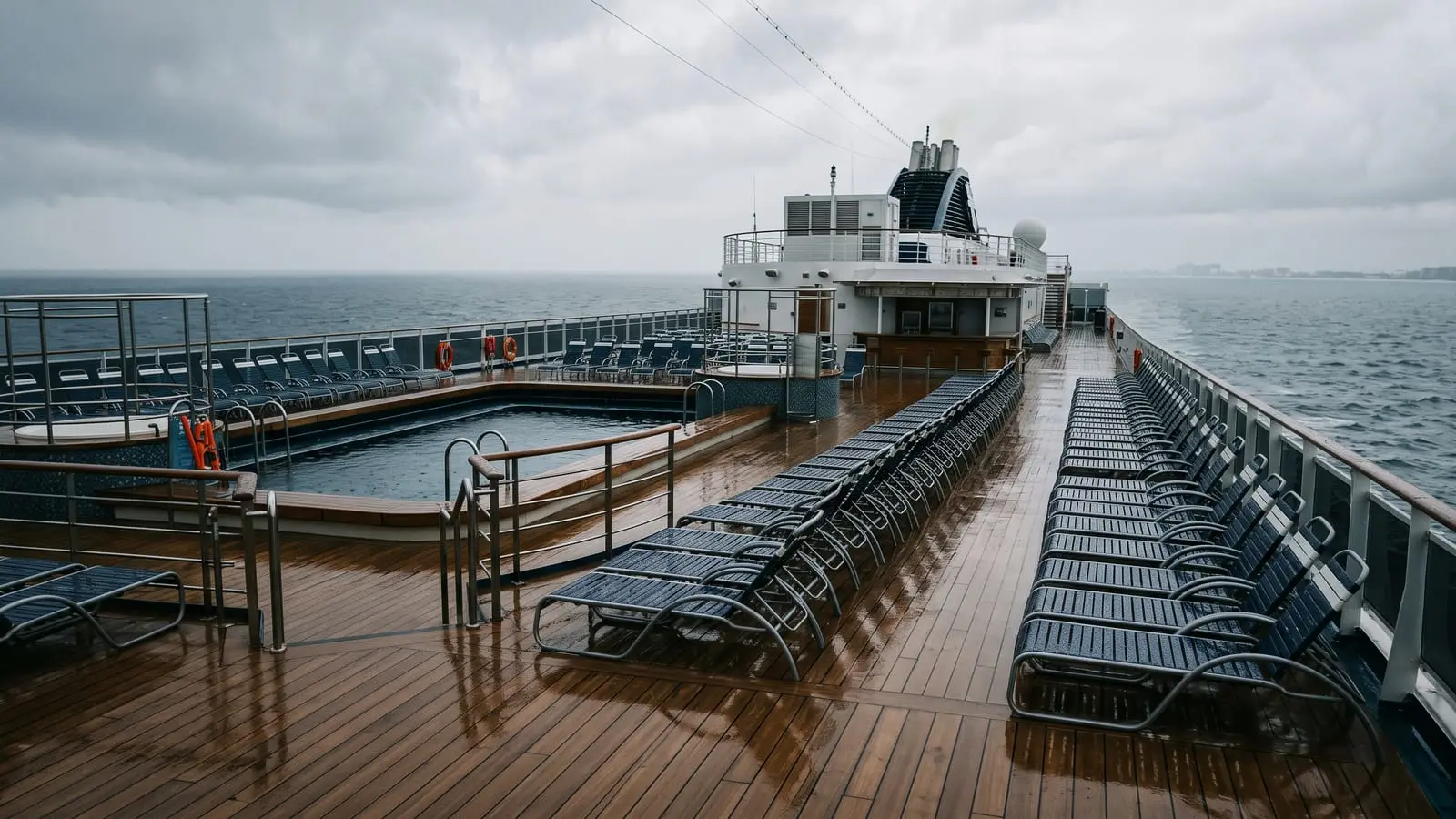
I was hurt on a cruise ship or a boat. Do Florida rules even apply?
Mostly no. Injuries on a cruise ship or on the water are governed by federal maritime law, not Florida's ordinary personal injury rules, and the deadlines are much shorter. Nearly every cruise ticket from PortMiami requires written notice of an injury claim within 6 months and a lawsuit within 1 year, filed in the federal court the ticket names, usually the U.S. District Court in Miami. Recreational boating injuries fall under Chapter 327 of the Florida Statutes and general maritime law, with a 3-year federal deadline.
Wolfson & Leon has represented cruise passengers and boating accident victims in Miami-Dade County since 1963. The consultation is free, in English or Spanish, and there is no fee unless the firm recovers money for you.
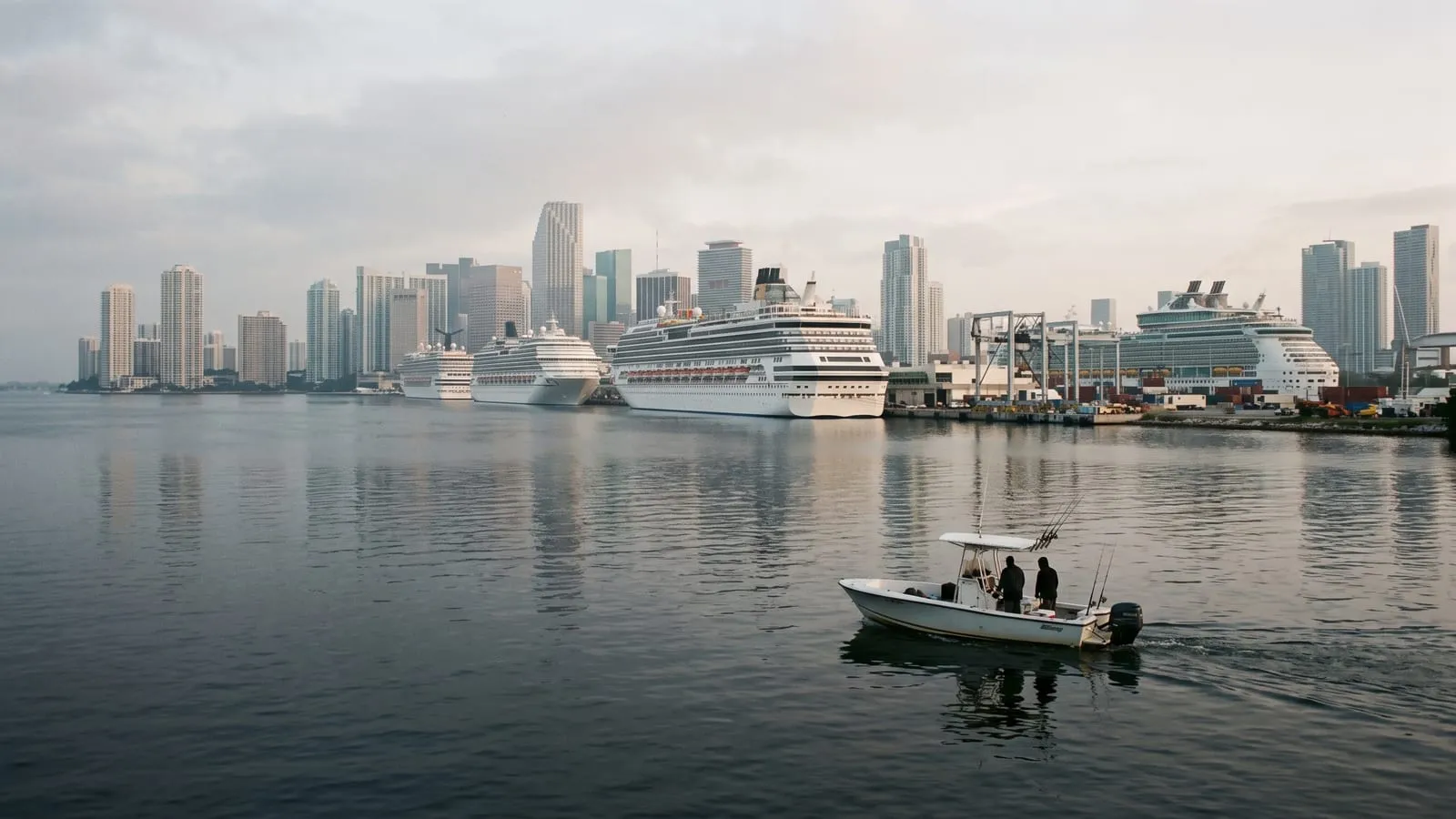
What deadlines apply to a cruise ship injury claim?
Read the ticket contract; it controls. Federal law allows a cruise line to require written notice of a claim within 6 months of the injury and to require that a lawsuit be filed within 1 year (46 U.S.C. § 30508). Carnival, Royal Caribbean, Norwegian, MSC, and Virgin Voyages all use these limits and require suit in the U.S. District Court for the Southern District of Florida in Miami. Miss the 6-month notice and the cruise line will argue your claim is barred no matter how serious the injury.
What kinds of cruise injuries lead to claims?
Slips on wet pool decks and in buffet areas, falls on poorly lit stairs and thresholds, injuries during shore excursions the cruise line sold, medical negligence in the ship's infirmary, food poisoning and norovirus outbreaks, and assaults where security was inadequate. The cruise line owes passengers a duty of reasonable care under the circumstances, and it must have known or should have known about the dangerous condition, the same knowledge test that applies on land, decided under federal maritime cases.
What law applies to a boat crash in Biscayne Bay or the Miami River?
A collision or injury on navigable waters, which includes Biscayne Bay, the Miami River, the Intracoastal, and offshore, is generally governed by federal maritime law, with Florida's boating safety statutes (Chapter 327) setting the rules of the road. Boat operators must not operate recklessly or carelessly (Fla. Stat. § 327.33), must report any accident with injury, death, or damage over $2,000 (Fla. Stat. § 327.30), and anyone born on or after January 1, 1988 must carry a boating safety education card (Fla. Stat. § 327.395). Jet ski (personal watercraft) operators must be at least 14 and wear a life jacket (Fla. Stat. § 327.39). Under general maritime law the deadline to sue is 3 years (46 U.S.C. § 30106).
What should I do after a cruise or boat injury?
- Report the injury to ship security or the boat operator and get a copy of the incident report. On a cruise, insist that a report be written; the ship's medical record is not the same thing.
- Photograph the hazard, your injury, and the area before it is cleaned or repaired.
- Get names and cabin numbers or phone numbers of witnesses. Passengers scatter after the cruise; find them now.
- Keep your ticket contract, boarding pass, and any excursion receipts. The ticket sets the deadlines.
- See your own doctor as soon as you are home. The ship's doctor works for the cruise line.
- Call a lawyer well before the 6-month notice deadline.
What compensation can I recover after a cruise or boating injury?
Under federal maritime law an injured passenger can recover medical expenses, lost wages, and pain and suffering caused by the carrier's or operator's negligence, and there is no PIP and no permanent-injury threshold. Cruise lines are well insured; the limiting factors are proof that the line knew or should have known of the hazard and the deadlines in the ticket, six months for written notice and one year to sue. In a recreational boating case the sources are the operator's and owner's policies, if any, and Florida does not require boat insurance, so identifying every available policy matters as much as proving fault.
What mistakes hurt a cruise or boating claim?
- Missing the six-month written notice in the ticket contract. An onboard incident report is not the same thing.
- Assuming you have Florida's two years. Cruise tickets shorten it to one year, filed in federal court in Miami.
- Relying on the ship's medical record instead of seeing your own doctor as soon as you are home.
- Accepting a future cruise credit or onboard credit in exchange for a release.
- Not getting witness cabin numbers before disembarkation; passengers cannot be found afterward.
- In a boat crash, not reporting as Fla. Stat. § 327.30 requires, and not identifying every vessel and owner involved.
Key facts
- A cruise line may require written notice of an injury claim within 6 months and a lawsuit within 1 year. Source: 46 U.S.C. § 30508
- Most major cruise lines require injury lawsuits to be filed in the U.S. District Court for the Southern District of Florida in Miami. Source: Passenger ticket contracts (Carnival, RCL, NCL, MSC)
- General maritime personal injury claims must be filed within 3 years. Source: 46 U.S.C. § 30106
- A boating accident with injury, death, or over $2,000 in damage must be reported. Source: Fla. Stat. § 327.30
- Careless or reckless operation of a vessel is prohibited. Source: Fla. Stat. § 327.33
- Boaters born on or after January 1, 1988 must carry a boating safety education ID card. Source: Fla. Stat. § 327.395
Frequently asked questions
I got hurt on a shore excursion in another country. Can I still make a claim in Miami?
Often yes, if the cruise line sold or promoted the excursion and the ticket requires suit in Miami. Whether the cruise line is responsible for the excursion operator's negligence depends on the facts. The 6-month notice and 1-year suit deadlines still apply.
The cruise line offered me a future cruise credit. Should I accept it?
Not without knowing your injury and your rights. Accepting compensation and signing a release ends the claim. A free consultation costs nothing and the deadlines are short, so ask first.
I was a passenger on a friend's boat that crashed. Who do I make a claim against?
Usually the boat operator's and owner's insurance, and the operator of any other vessel involved. Being a friend does not change the operator's duty of care. Boat insurance is not required in Florida, so identifying every available policy matters.
I work on a boat or ship and was hurt on the job. Is that a different case?
Yes. Crew members and seamen have claims under the Jones Act (46 U.S.C. § 30104) and general maritime law for maintenance and cure and unseaworthiness, which are different from passenger claims. Wolfson & Leon can tell you which applies on the call.
What happens when you call
A person answers, not a recording
Call (305) 285-7071 any time. A person from the firm picks up, in Spanish if you prefer. If it is the middle of the night, we take your details and an attorney calls first thing.
We ask what happened, about 15 minutes
When and where it was, whether you were treated, whether there is a police report, and whether an insurer has already called you. You do not need papers in front of you.
We tell you honestly whether we can help
If you have a case we can take, we explain the next steps and what not to do in the meantime. If you do not, we tell you that too, and who else to call.
If you hire us, you pay nothing up front
The fee is a percentage of what is recovered, explained in writing before you sign. If we recover nothing, you owe no fee. We can come to your home or the hospital if you cannot get to the office.