
Are Online Uber Accident Settlement Ranges and Calculators Accurate?
Online Uber accident settlement averages and calculators are not accurate for any individual Florida case because they cannot see the five variables that actually drive value: whether your injury is permanent, which coverage period applied, what liens and letters of protection must be repaid, how fault is split, and what attorney fees and case costs will be deducted from a gross recovery. A single published range typically blends minor settlements with catastrophic verdicts, and it tells you nothing about your specific injuries, your specific policy, or the Miami-Dade jury pool that would hear your case. A real valuation requires a lawyer to examine every one of those inputs before any number means anything.
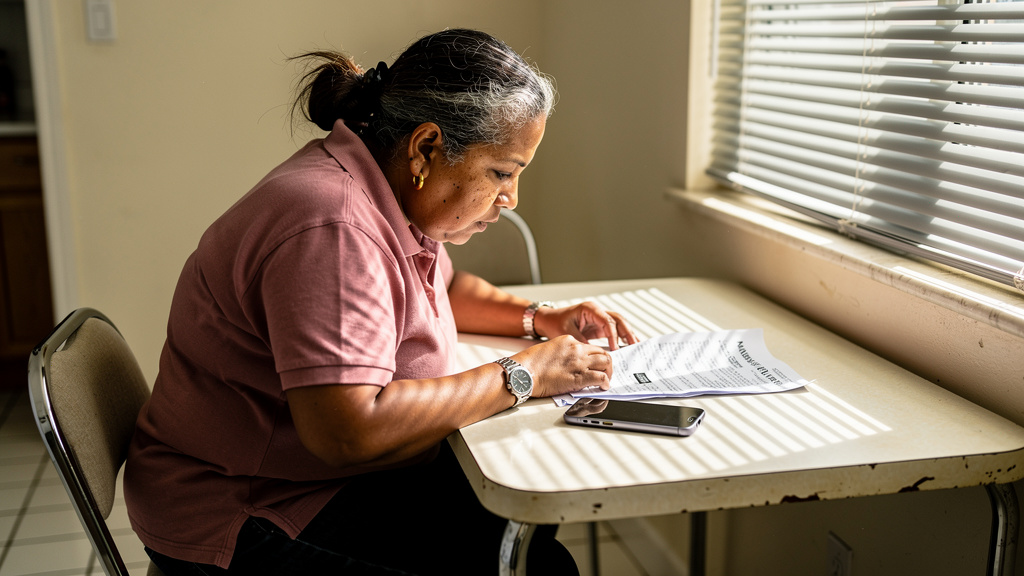
Online Uber accident settlement averages and calculators are not accurate for any individual Florida case. They cannot see the five variables that actually drive value: whether your injury is permanent, which coverage period applied, what liens and letters of protection must be repaid, how fault is split, and what attorney fees and case costs will be deducted from a gross recovery. A single published range typically blends minor settlements with catastrophic verdicts. It tells you nothing about your specific injuries, your specific policy, or the Miami-Dade jury pool that would hear your case. A real valuation requires a lawyer to examine every one of those inputs before any number means anything.
Where do online Uber settlement ranges come from, and what are they missing?
Published Uber settlement ranges typically lump together claims regardless of injury severity, coverage tier, or jurisdiction. These figures can mix minor whiplash cases with spinal cord injuries and wrongful deaths into one misleading band. What a calculator cannot see includes whether a physician has found a permanent injury, which insurance layer applies under Florida law, or how much must be repaid to medical providers through liens or letters of protection. It also ignores that Miami-Dade (the 11th Judicial Circuit) has its own jury verdict history, a critical factor in negotiating non-economic damages that no national algorithm can replicate.
Myth: ‘Every Uber case has $1 million available’, what the coverage tiers actually say
Not every Uber crash triggers the $1 million policy. Florida law sets four coverage periods based on the driver’s app status at the exact moment of impact. Period 0 (app off): only the driver’s personal auto insurance applies. Period 1 (app on but no ride accepted): minimum $50,000 per person and $100,000 per incident for bodily injury. Period 2 (ride accepted, en route to passenger) and Period 3 (passenger in vehicle, ride in progress): $1,000,000 primary liability. Insurers may dispute which period applied. Proving the correct tier requires trip data, GPS logs, and app activity records, which often must be obtained from Uber and its insurer; the coverage tiers themselves are set by [Fla. Stat. § 627.748(7)]. Passengers in a rear-ended Uber can easily get bounced between insurers. Coverage rules can change, so confirm with a lawyer which rules applied on the date of your crash.
Myth: ‘A soft-tissue claim always settles for a set amount’, why the permanent-injury rule is the real gatekeeper
In Florida, you cannot recover pain and suffering from an at-fault driver unless your injury meets one of four statutory thresholds: permanent injury within reasonable medical probability, significant and permanent loss of an important bodily function, significant and permanent scarring or disfigurement, or death ([Fla. Stat. § 627.737(2)]). This is not optional, it is the legal gatekeeper. A soft-tissue injury with a physician’s permanency opinion is legally different from the same physical complaint without one. For example, a disc herniation with a physician’s permanency finding is valued very differently from a strain that fully heals, so a settlement figure from one case means little without its facts. Crucially, you must begin treatment within 14 days of the crash or lose all PIP benefits ([Fla. Stat. § 627.736]). Settling before reaching maximum medical improvement, as some Reddit users consider, risks waiving future claims forever, even if symptoms worsen later.
Myth: ‘The settlement number is what you take home’, fees, costs, and liens reduce every gross recovery
The number quoted in a settlement is gross, not what you receive. Three deductions commonly apply: attorney fees, case costs, and any outstanding liens or letters of protection. At Wolfson & Leon, the contingency fee is explained in writing before you sign anything, and we advance case costs such as medical records, expert reviews, filing fees, and depositions. These are repaid from the settlement. Separately, health insurers, Medicare, Medicaid, and medical providers who treated you under a letter of protection may assert a right to repayment. The amounts and enforceability of those claims must be verified, some can be reduced, others cannot. Settling without evaluating these obligations risks accepting less than what your medical providers are owed, leaving you personally liable. That is why settling on your own without reviewing these obligations carries real financial risk.
Myth: ‘Fault doesn’t matter in a no-fault state’, how comparative negligence cuts the number
Florida’s no-fault system only applies to PIP benefits, which pay regardless of who caused the crash. But any claim for pain and suffering against the at-fault driver is entirely fault-dependent. Under [Fla. Stat. § 768.81(6)], your recovery is reduced by your percentage of fault, and barred completely only if you are found MORE THAN 50 percent at fault. For example, if your damages are valued at $200,000 and the insurer argues you were 25 percent at fault, your recoverable amount drops to $150,000. Passengers usually have near-zero fault exposure, but third-party drivers struck by an Uber may face arguments about speed, distraction, or seatbelt use. Even passengers can face fault claims if they distracted the driver. And if the other driver is 100 percent at fault but underinsured, your next option may be your own uninsured motorist (UM) coverage, but only if you purchased it, as it is optional under [Fla. Stat. § 627.727].
What does a real Uber accident valuation in Miami-Dade actually require?
A credible settlement number requires resolving seven key inputs, none of which an online calculator addresses. First, confirm the Uber driver’s exact app status at impact to determine the correct coverage tier under [Fla. Stat. § 627.748(7)]. Second, verify whether your injury meets the permanency threshold under [Fla. Stat. § 627.737(2)], without this, no pain-and-suffering claim exists. Third, map all available insurance: your PIP (your own policy first per [Fla. Stat. § 627.736(4)(e)]), then the applicable Uber liability layer, then any UM/UIM coverage. Fourth, assess the likely fault split under [Fla. Stat. § 768.81(6)] and anticipate defense arguments. Fifth, identify all liens and letters of protection and evaluate their enforceability. Sixth, factor in Miami-Dade (11th Judicial Circuit) jury trends for similar injuries, local data matters. Seventh, account for attorney fees and advanced case costs, both disclosed in writing before signing. Remember, under [Fla. Stat. § 95.11], for crashes on or after March 24, 2023, you have two years from the crash date to file suit if negotiations fail.
Frequently asked questions
What is the average Uber accident settlement in Florida?
There is no meaningful average. Published figures blend minor claims with serious injury cases and ignore key variables like insurance coverage, permanency findings, and local jury trends. Your case value depends on your specific facts, not a national statistic.
Does Uber’s $1 million policy cover every rideshare accident in Florida?
No. The $1 million coverage applies only during Period 2 (after ride acceptance) and Period 3 (with passenger in vehicle). If the driver was logged in but had not accepted a trip (Period 1), only $50,000 per person in bodily injury coverage applies. If the app was off, only the driver’s personal insurance may respond.
Can I recover pain and suffering after an Uber accident in Florida if my injuries seem minor?
Only if your injury meets Florida’s statutory threshold: permanent injury, significant and permanent loss of an important bodily function, significant and permanent scarring or disfigurement, or death. Minor or temporary injuries do not qualify, no matter how painful. A physician must document the threshold finding before you can pursue pain and suffering.
Does my percentage of fault affect my Uber accident settlement even if I was a passenger?
Usually not, if you were a passive passenger, your fault is typically zero. But if you distracted the driver or interfered with operation, insurers may argue comparative fault. Even small fault allocations reduce your recovery under Florida’s modified comparative negligence rule.
What comes out of a settlement before I actually receive the money?
Three things are deducted from the gross settlement: attorney contingency fees (explained in writing upfront), case costs advanced by the firm (like records and experts), and valid liens or repayment obligations to medical providers or health insurers. Only the remainder is your net recovery.
Related reading: I was in an Uber or Lyft accident in Hialeah. Whose insurance pays? · I was in a car accident in Hialeah. What do I do now? · The 14-day PIP rule in Florida: what happens if you wait to see a doctor after a Hialeah car accident · How long do I have to file an injury lawsuit in Florida? The two-year rule after HB 837
Hurt in an accident in Hialeah? Call Wolfson & Leon at 305-965-3766 for a free consultation. We speak Spanish, and there is no fee unless we win.
Key facts
- Florida law requires Uber to carry at least $1,000,000 in primary automobile liability coverage only when the driver has accepted a trip and a ride is in progress (Period 2 and Period 3). When the driver is logged on but has not accepted a trip (Period 1), the minimum drops to $50,000 per person and $100,000 per incident for bodily injury. Source: Fla. Stat. § 627.748(7)
- Florida's no-fault PIP pays 80 percent of reasonable medical expenses and 60 percent of lost income up to $10,000 when a physician finds an emergency medical condition, or up to $2,500 otherwise. The injured person must begin treatment within 14 days of the crash or PIP pays nothing. Source: Fla. Stat. § 627.736
- To recover pain and suffering from an at-fault driver in Florida, an injured person must prove a permanent injury within reasonable medical probability, significant and permanent loss of an important bodily function, significant and permanent scarring or disfigurement, or death. Source: Fla. Stat. § 627.737(2)
- Under Florida's modified comparative negligence rule, a claimant's recovery is reduced by their own percentage of fault and is completely barred only if they are found MORE THAN 50 percent at fault. Source: Fla. Stat. § 768.81(6)
- A personal injury negligence lawsuit in Florida arising from a crash on or after March 24, 2023, must be filed within two years of the accident date or the right to recover is permanently lost. Source: Fla. Stat. § 95.11
Frequently asked questions
What is the average Uber accident settlement in Florida?
There is no meaningful average because every case depends on injury severity, which coverage period applied, the claimant's fault percentage, and the insurance actually available. Published ranges blend minor settlements with catastrophic injury verdicts and tell you nothing about your specific case. Some cases resolve for very large amounts; others settle for a few thousand dollars. The only number that matters is the one produced by analyzing your specific medical evidence, coverage tier, fault exposure, and outstanding liens.
Does Uber's $1 million policy cover every rideshare accident in Florida?
No. Florida law under Fla. Stat. § 627.748(7) requires the $1,000,000 liability policy only when a ride is in progress, meaning the driver has accepted a trip and is either en route to pick up a passenger or actively transporting one (Periods 2 and 3). If the driver was logged on but had not accepted a ride (Period 1), the minimum coverage drops to $50,000 per person. If the driver's app was off entirely, only the driver's personal auto policy applies. Uber's insurer will investigate the driver's exact app status at the moment of impact, and that determination can dramatically change the available coverage.
Can I recover pain and suffering after an Uber accident in Florida if my injuries seem minor?
Only if your injury meets the threshold defined in Fla. Stat. § 627.737(2): a permanent injury within reasonable medical probability, significant and permanent loss of an important bodily function, significant and permanent scarring or disfigurement, or death. If your injury heals completely without a permanency finding, Florida law generally bars you from recovering pain and suffering from the at-fault party, regardless of what a calculator suggests. This is why settling before you reach maximum medical improvement and receive a physician's permanency opinion is so risky: once you sign a release, those claims are gone.
Does my percentage of fault affect my Uber accident settlement even if I was a passenger?
Under Fla. Stat. § 768.81(6), your recovery is reduced by your own percentage of fault and is completely barred if you are found more than 50 percent responsible. Passengers face near-zero fault exposure in most collisions, but circumstances such as seatbelt non-use or distracting the driver have been raised as comparative fault arguments by defense insurers. For third-party drivers struck by an Uber vehicle, fault allocation is often actively disputed, and every percentage point assigned to you reduces the net recovery.
What comes out of a settlement before I actually receive the money?
Three categories reduce a gross settlement before you receive anything: the attorney's contingency fee (which Wolfson & Leon explains in writing before you sign), case costs advanced by the firm on your behalf (such as medical records, expert fees, and filing fees), and any outstanding liens or letters of protection owed to medical providers or insurers who paid for your care. Health insurers, Medicare, Medicaid, and providers who treated you under letters of protection may each assert a right to repayment from the proceeds, and those amounts must be identified and negotiated before your net recovery can be projected. A gross settlement figure and a take-home figure are two very different numbers.
This article is general information about Florida law, not legal advice, and reading it does not create an attorney-client relationship. Every case is different and past results do not guarantee a similar outcome. For advice about your situation, call Wolfson & Leon at 305-965-3766 for a free consultation.
Also available in: Versión en español
 Uber and Lyft accidents
 How an Uber Accident Settlement Works and Where the Money Goes
After an Uber accident in Florida, your attorney sends a demand package to the insurer, the parties negotiate a number, and you sign a release that…
 Uber and Lyft accidents
 Does It Matter Whether the Uber Driver Had a Ride When the Crash Happened?
Yes, the Uber driver's app status at the exact moment of impact controls which insurance policy responds and how much coverage is available. Florida…
 Uber and Lyft accidents
 Was the Uber Driver on the App When They Hit You? How to Find Out
Whether the Uber or Lyft driver was logged into the app at the moment they hit you is the single fact that decides which insurance policy pays and…