
Hit by an Uninsured Driver in Florida: What You Can Actually Do
If the driver who hit you has no insurance, your own auto policy is usually your first and most important source of recovery: Personal Injury Protection pays your medical bills and part of your lost wages first, and if you purchased uninsured motorist coverage, that can pay for pain and suffering and other damages the at-fault driver cannot. Many Florida drivers are uninsured, and Hialeah has one of the higher uninsured motorist rates in Miami-Dade, so your own coverage decisions matter a great deal. An attorney can help you identify every available source of compensation, including coverage you may not know you have.
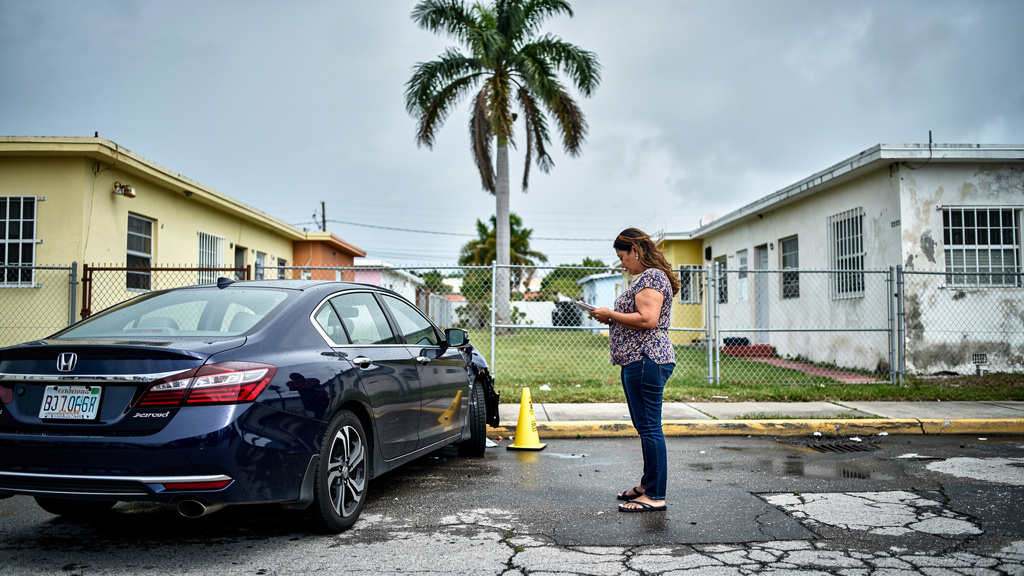
If the driver who hit you has no insurance, your own auto policy is usually your first and most important source of recovery. Many Florida drivers are uninsured, and Hialeah has one of the higher uninsured motorist rates in Miami-Dade, so understanding exactly what your own coverage does is not optional information. It is the difference between recovering your losses and absorbing them yourself.
What actually happens when the driver who hit you has no insurance?
There is a piece of advice that circulates on Reddit and in comment sections that goes something like this: “If they don’t have insurance, they likely don’t have any money to pay out so an attorney will be useless.” That is wrong, and believing it can cost you real money.
When the at-fault driver has no insurance, there is no third-party bodily injury liability policy to file a claim against. Florida law generally does not require drivers to carry bodily injury liability coverage, so a driver can be legally registered and still carry nothing to pay for the injuries they cause. But that is not the end of the analysis.
Potential sources of recovery exist in this order: your own PIP coverage, your own uninsured motorist (UM) coverage, the vehicle owner’s policy if the owner is different from the driver, an employer’s commercial policy if the driver was on the job, and, as a last resort, a direct lawsuit against the driver personally. A judgment against someone with no assets or income is often difficult to collect, which is why the insurance coverage analysis matters far more than most people realize.
Hit-and-run crashes and uninsured drivers are a real problem in Miami-Dade, so your own coverage decisions matter a great deal here.
PIP pays first, but how much will it actually cover?
Personal Injury Protection (PIP) is mandatory in Florida and pays regardless of who caused the crash. Under FS 627.736, PIP covers 80 percent of reasonable medical bills and 60 percent of lost income. The cap is $10,000 when a treating doctor finds an emergency medical condition, or $2,500 if no emergency medical condition is found.
You have 14 days from the crash to seek initial treatment. Miss that window and PIP pays nothing. Zero. The deadline is absolute.
The order of whose PIP pays matters. Your own PIP policy pays first. If you have none, a PIP policy held by a relative who lives in your household pays second. Only if neither of those exists does the PIP of the vehicle that struck you come into play, and that applies only to Florida-resident pedestrians and cyclists, under FS 627.736(4)(e). The striking driver’s PIP does not jump to the front of the line.
PIP does not cover pain and suffering. It does not cover the full value of your lost wages. And $10,000 disappears quickly in any serious crash. That is exactly why UM coverage exists.
Do you have uninsured motorist coverage, and do you know what kind?
Pull your declarations page right now. Look for a line that says UM or UM/UIM. If it is not there, you do not have it.
Under FS 627.727, every insurer that sells bodily injury liability coverage must offer UM coverage. A policyholder can reject it, but the rejection must be in writing on an OIR-approved form with a 12-point bold heading warning of what is being waived. Many Florida drivers have signed that form without understanding what they gave up. Critically, if the insurer cannot produce a signed rejection, the coverage may still apply even if you believed you had declined it.
There are two types: stacked and non-stacked. Stacked coverage lets you combine UM limits across all vehicles on your policy, so the UM limits on each insured vehicle can be added together for an uninsured driver claim. Non-stacked (limited) coverage does not combine limits: generally, if you are hurt while in a vehicle, you are limited to the UM coverage on that vehicle, and if you are hurt as a pedestrian, to the highest UM limit on any one vehicle on your policy.
If you buy UM, Florida treats it as stacked unless you choose non-stacked. Choosing non-stacked requires your informed written selection, usually to get a lower premium. Never assume that “full coverage” includes UM. Those two words mean different things to different people and nothing specific under Florida law.
UM coverage also generally applies to hit-and-run drivers, who are typically treated as uninsured motorists, and can apply when the at-fault driver’s insurer is insolvent and unable to pay.
How do you file a UM claim and what happens after you do?
A UM claim is filed against your own insurance company, not the at-fault driver. Notify your insurer promptly. Most policies require timely notice, and a delay can create problems with the claim.
After you report, the insurer will investigate: confirming the other driver is uninsured, evaluating fault percentages, and reviewing your damages. Your insurer is not your ally in this process. It will look at every gap in your medical treatment, every inconsistent statement you made, and whether your injuries meet the threshold for pain and suffering under FS 627.737(2): a permanent injury, significant permanent scarring, or permanent loss of an important bodily function. Without meeting that threshold, you cannot recover non-economic damages from a UM claim.
Under FS 768.81(6), Florida’s modified comparative negligence rule, your recovery is reduced by your share of fault. Recovery is barred only if you are more than 50 percent at fault. If you are 30 percent at fault, you recover 70 percent of your damages.
If the at-fault driver had some insurance but not enough to cover your injuries, that is an underinsured motorist (UIM) situation. Before you settle with that driver’s liability carrier, you must notify your own UM insurer by certified mail under FS 627.727(6). Your insurer then has 30 days to authorize the settlement or pay the liability offer to protect its subrogation rights. Do not sign any release from the at-fault driver’s insurer without understanding how it affects your UM claim.
The crash report is confidential for 60 days under FS 316.066, except to the parties, their insurers, and their lawyers. And before giving any recorded statement to any insurer, understand how it will be used. Statements made without preparation often hurt claims.
A UM lawsuit is a contract claim, not a negligence claim. The five-year contract limitations period applies, not the two-year negligence deadline under FS 95.11 that governs direct suits against at-fault drivers. You can find more on uninsured motorist claims and your options on our practice area page.
What if you were walking, biking, or on a motorcycle when an uninsured driver hit you?
Pedestrians, cyclists, and motorcyclists suffer some of the worst injuries in uninsured driver crashes, and Florida’s coverage gaps still apply to them.
For pedestrians and cyclists: the PIP payment order under FS 627.736(4)(e) follows the same sequence. Your own PIP policy pays first, a household relative’s PIP pays second, and the striking vehicle’s PIP is only available as a last resort for Florida residents who have no other PIP available. The 14-day PIP rule applies regardless of how you were injured. Miss that deadline and PIP pays nothing.
Motorcycles are not required to carry PIP in Florida, so motorcyclists usually have no PIP and the analysis starts differently. If you were on a motorcycle and the driver who hit you had no insurance, PIP from the striking vehicle is generally not available to you the way it would be for a pedestrian, which makes your own UM coverage and any other available policies especially important.
UM coverage can protect you when you are injured as a pedestrian or while riding in someone else’s vehicle. Whether your UM is stacked or non-stacked affects how much coverage is available in those situations, and non-stacked coverage can be more limited when you are riding in another vehicle. Review your policy or have an attorney review it.
Hit-and-run drivers are generally treated as uninsured motorists for UM purposes, and in Miami-Dade this is not a rare situation. To trigger UM benefits for a hit-and-run, most policies require physical contact or corroborating evidence. A police report, security camera footage, and witness statements all strengthen that claim. For more on pedestrian accident claims, including how coverage works when the at-fault driver disappears, see our practice area page.
When does suing the uninsured driver directly make sense, and what about lawyer fees?
A direct lawsuit against an uninsured driver makes sense in specific situations: the driver has identifiable assets or steady income you can reach through garnishment, the driver was working for an employer whose commercial policy may cover the crash, the vehicle owner is separately liable, or a third party such as a road defect or defective vehicle component contributed to what happened.
Be honest with yourself about this: a judgment against a driver with no assets and no income does not put money in your pocket. Winning a verdict and actually collecting are two different things. That is why the insurance coverage analysis, your own PIP, your own UM coverage, and any other applicable policies, is the place to spend the most attention.
On the question that comes up often: “Do I just go through my own insurance or is this the point where getting a personal injury lawyer involved?” The answer is that a UM claim against your own insurer can still be heavily contested. Insurers evaluate fault, review your medical records for gaps, and may dispute whether your injuries meet the tort threshold. An attorney can analyze the coverage, respond to the insurer’s investigation, dispute a low offer, and if necessary pursue a bad faith claim under FS 624.155 if the insurer fails to handle your claim fairly.
The bad faith process requires filing a civil remedy notice with the Florida Department of Financial Services. The insurer then has 60 days to pay or cure the violation before a lawsuit can proceed.
Personal injury attorneys in Florida typically handle these cases on a contingency fee basis, meaning no upfront cost and no fee unless there is a recovery. If you have a direct negligence claim against an at-fault driver, note that the statute of limitations for crashes on or after March 24, 2023, is two years under FS 95.11. You can read more about what happens after filing an uninsured motorist claim in Florida and about uninsured motorist attorney fees in Hialeah on our blog.
Frequently asked questions
Will my own insurance go up if I file a UM claim after an uninsured driver hits me?
Florida law generally prohibits insurers from raising your rates solely because you filed a UM claim for an uninsured driver crash where you were not at fault. Whether your specific insurer treats it as a not-at-fault claim depends on your policy and how the claim is classified. Reviewing your policy language with an attorney before filing can help you understand the potential effect.
What if the uninsured driver hit me and then drove away, can I still make a UM claim?
Yes. Under Florida UM coverage, hit-and-run drivers are generally treated as uninsured motorists. Most policies require either physical contact with the hit-and-run vehicle or corroborating evidence, such as a witness statement or camera footage, to support the claim. Report the crash to police immediately and document everything at the scene. You can read more about hit-and-run claims in Miami-Dade on our blog.
The at-fault driver had some insurance but not enough to cover my injuries. Does UM coverage still help?
Yes, that is called underinsured motorist coverage, and it works the same way. Before you settle with the at-fault driver’s insurer, you must notify your own UM carrier by certified mail under FS 627.727(6) and give them 30 days to respond. Settling without that notice can forfeit your right to pursue the UIM claim. Read more about underinsured driver claims in Florida.
I was a passenger in a car that got hit by an uninsured driver. Who pays for my injuries?
Your own PIP policy pays first if you have one, then a household relative’s PIP, then the PIP on the vehicle you were riding in. For pain and suffering and other damages beyond what PIP covers, you may have access to UM coverage on your own auto policy, particularly if you have stacked coverage, or to the UM coverage on the vehicle you were in, depending on how that policy is written. The driver of the vehicle you were in was not at fault, so their liability coverage does not apply to your injuries.
How long do I have to sue an uninsured driver or file a UM lawsuit in Florida?
For a direct negligence lawsuit against the uninsured driver, the deadline is two years from the date of the crash under FS 95.11 for crashes on or after March 24, 2023. For a UM lawsuit against your own insurer, the five-year contract limitations period applies because UM is a contract claim, not a negligence claim. These deadlines are different, and missing either one ends your right to pursue that avenue of recovery. An attorney can confirm which deadline applies to your specific situation.
- How to Get Your Miami-Dade Crash Report When the Other Driver Had No Insurance
- Hit by an Uninsured Driver in Florida With No UM Coverage: What’s Left?
- Uninsured Driver Hit Me on My Motorcycle in Florida: Who Pays?
- Do I Have Uninsured Motorist Coverage? How to Check Your Policy
- Hit on Your Delivery Motorcycle in Hialeah With No Insurance: What Now?
- Yes, You Can Still Get Paid After a Hialeah Motorcycle Crash With No Insurance
- Hit by an Uninsured Driver While Walking or Biking in Hialeah: Who Pays?
- Hit by an Uninsured Driver in Hialeah: Your Real Recovery Options
- No Car, No Insurance: Who Pays Your Medical Bills When an Uber Hits You in Florida
- Hit by an Uninsured Driver in Hialeah: What PIP, UM, and a Lawsuit Actually Pay
Hurt in an accident in Hialeah? Call Wolfson & Leon at 305-965-3766 for a free consultation. We speak Spanish, and there is no fee unless we win.
Key facts
- Many drivers on Florida roads have no auto insurance, and Hialeah has one of the higher uninsured motorist rates in Miami-Dade. Source: Wolfson & Leon
- Hit-and-run crashes are a real risk in Miami-Dade, and an unidentified hit-and-run driver is generally treated as uninsured for UM purposes. Source: Florida uninsured motorist coverage rules
- Florida requires drivers to carry only $10,000 in PIP and $10,000 in property damage liability. Bodily injury liability coverage is generally not required, so a driver can be legally insured and still carry nothing to pay for your injuries. Source: FS 627.736; FS 324.022
- PIP pays 80 percent of reasonable medical bills and 60 percent of lost income up to $10,000 when a doctor finds an emergency medical condition, or up to $2,500 otherwise. The injured person must seek initial treatment within 14 days of the crash or PIP pays nothing. Source: FS 627.736
- Uninsured motorist coverage must be rejected in writing on a state-approved form; if no signed rejection exists in the insurer's file, the coverage may still apply even if the insured believed they had declined it. Source: FS 627.727
Frequently asked questions
Will my own insurance go up if I file a UM claim after an uninsured driver hits me?
Florida law generally prohibits insurers from raising premiums solely because a policyholder filed a UM claim for a crash that was not their fault, but policy terms and individual insurer practices vary. You should notify your insurer promptly as required by your policy regardless of this concern, failing to give timely notice can create bigger problems than a potential premium question. If you are worried about how a claim will affect your policy, an attorney can help you understand your options before you contact your insurer.
What if the uninsured driver hit me and then drove away, can I still make a UM claim?
Yes. Florida UM coverage generally treats a hit-and-run driver as an uninsured driver, so your uninsured motorist coverage can apply. However, most Florida policies require some form of corroboration, such as physical contact with the other vehicle, a police report, or an independent witness, to prevent fraud. Call 911 immediately, get a police report, photograph everything, and collect any witness contact information before leaving the scene.
The at-fault driver had some insurance but not enough to cover my injuries, does UM coverage still help?
Yes. Florida's UM statute covers underinsured drivers as well. If the at-fault driver's bodily injury liability limit is less than your actual damages, your own UM or UIM coverage can pay the difference up to your policy limit. One critical rule: before you settle with the at-fault driver's insurer, you must notify your own UM insurer in writing by certified mail under FS 627.727(6). If you sign a release first without that notice, you may lose your UIM claim.
I was a passenger in a car that got hit by an uninsured driver, who pays for my injuries?
Your own PIP policy pays first if you have one, then a household relative's PIP if you live with them, and then the PIP of the vehicle you were riding in if neither of those apply. For damages beyond PIP, including pain and suffering, you may have a UM claim under your own auto policy if you have UM coverage, and you may also be an insured under the vehicle owner's policy depending on how it is written. The interaction between multiple policies can be complex, and an attorney can help identify all available coverage.
How long do I have to sue an uninsured driver or file a UM lawsuit in Florida?
For a negligence lawsuit directly against the uninsured driver, the deadline is two years from the date of the crash for crashes that occurred on or after March 24, 2023, under FS 95.11. For a UM lawsuit against your own insurer, the deadline is five years because a UM claim is a contract claim, not a negligence claim, and the longer contract limitations period applies. Even so, waiting significantly weakens any claim, witnesses disappear, medical records become harder to connect to the crash, and insurers gain leverage with time.
This article is general information about Florida law, not legal advice, and reading it does not create an attorney-client relationship. Every case is different and past results do not guarantee a similar outcome. For advice about your situation, call Wolfson & Leon at 305-965-3766 for a free consultation.
Also available in: Versión en español
 Personal injury
I Fell at Work in Hialeah: Do I Need Workers' Comp or a Personal Injury Lawyer?
Workers' compensation almost always covers a fall at work in Florida and is usually your only legal claim against your own employer. But if someone…
 Personal injury
Hit by a Driver With No Insurance in Florida: What Are Your Options?
Your own insurance is almost always the first place to look. Florida requires your PIP coverage to pay 80 percent of your reasonable medical bills…
 Personal injury
How Much Does an Accident Lawyer Charge in Hialeah, Florida?
Personal injury lawyers in Hialeah charge nothing upfront and no attorney fee at all unless they recover money for you. The fee is a percentage of…