
I Fell at Work in Hialeah: Do I Need a Workers' Comp or Personal Injury Lawyer?
Workers' comp almost always covers a fall at work in Florida, and it is usually your only claim against your own employer. But if someone other than your employer, a landlord, a contractor, a cleaning company, controlled the area where you fell, you may also have a separate personal injury lawsuit that can include damages comp does not pay, such as pain and suffering.
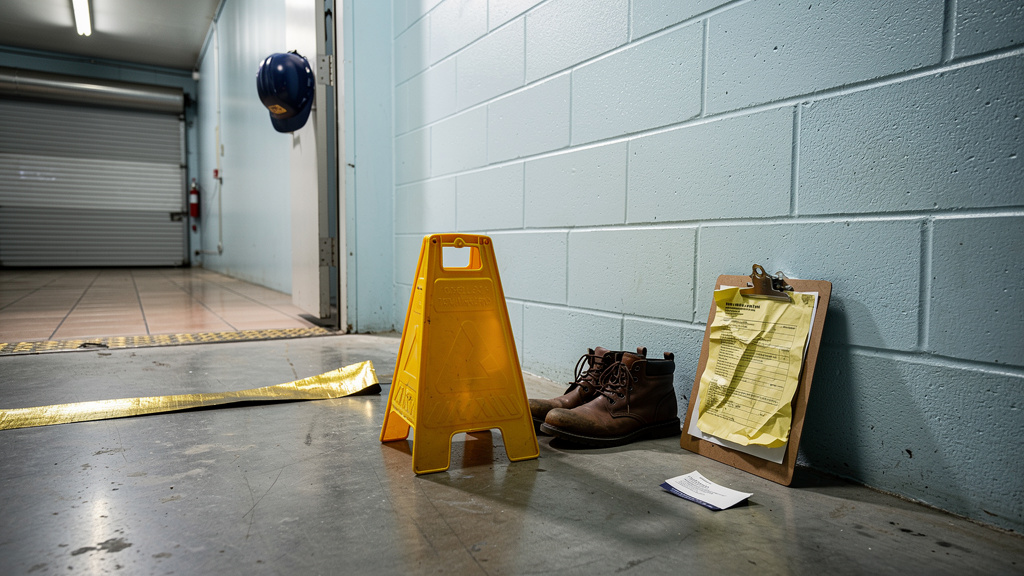
Workers’ compensation almost always covers a fall at work in Florida, and it is generally your only legal claim against your own employer. But if someone other than your employer, such as a property owner, contractor, or cleaning company, controlled the area where you fell, you may also have a separate personal injury lawsuit that can recover damages workers’ comp does not cover.
Why can’t I just sue my employer after a fall at work?
Florida law generally makes workers’ compensation the exclusive remedy against an employer for a workplace injury. This rule, found in Florida Statute § 440.11, reflects a trade-off written into state law: you get medical care and partial wage benefits without having to prove your employer was at fault, but in exchange, you typically give up the right to sue your employer in civil court. There are narrow exceptions, such as when an employer fails to carry required workers’ comp insurance, but those situations are rare and fact-specific. If you are unsure whether your case might fall outside this rule, talk to an attorney who can review the details of your employment and injury.
When does a personal injury lawyer matter after a work fall?
A personal injury lawyer becomes essential when a third party, anyone other than your employer or co-workers, played a role in causing your fall. In Hialeah and nearby Medley, common scenarios include warehouse workers falling on wet floors left by a landlord’s cleaning contractor, retail employees slipping on spills caused by a maintenance vendor along W 49th Street, restaurant staff tripping over equipment installed by a kitchen supplier, or construction workers hurt by a defective ladder or other equipment made by an outside manufacturer. (On construction sites, claims against other contractors on the same project can be limited by Florida workers’ comp law.) Unlike workers’ comp, a third-party personal injury claim can recover pain and suffering, full lost wages (not just the statutory two-thirds), future loss of earning capacity, and out-of-pocket costs. Both claims can move forward at the same time. Under Florida law, your recovery in the personal injury case would be reduced by your share of fault, but you can still recover as long as you are not found more than 50 percent responsible.
When does a workers’ comp lawyer matter on its own?
Even if no third party is involved, you may need legal help navigating your workers’ comp claim. Common trouble points include denied claims, where the employer disputes that the fall happened at work or questions the injury; delays in getting authorized treatment, especially when surgery or specialty care is needed; and disagreements over wage benefits based on your average weekly earnings or work restrictions. These disputes are handled in Florida’s workers’ compensation administrative system, not in regular civil court. Many Hialeah workers receive initial treatment at Hialeah Hospital or Palmetto General Hospital, but the insurer controls which doctors are approved, a frequent source of conflict. If your comp claim is denied or stalled, consult an attorney who handles workers’ compensation matters to protect your rights under Chapter 440.
What should I do this week if I fell at work in Hialeah?
Take these steps now to protect both your workers’ comp claim and any possible personal injury claim. First, report the fall to your employer in writing, by email, text, or an official incident report, as soon as possible. Florida law sets a short deadline to notify your employer, and missing it can jeopardize your benefits. Second, seek medical treatment promptly. If your employer directs you to a specific doctor under workers’ comp, go, but also consider care at Hialeah Hospital or Palmetto General if urgent. Third, write down everything about who controlled the area where you fell: note contractors, cleaning crews, vendors, or property owners present, whether warning signs were posted, and if security cameras were visible. Fourth, do not give a recorded statement to any insurance adjuster, including your workers’ comp carrier, before speaking with a lawyer. Fifth, preserve evidence: photograph the hazard, keep your work clothes and footwear, and save all medical and billing records.
What are the deadlines I have to worry about?
Two separate deadlines apply, and they do not pause for each other. For a personal injury lawsuit against a third party, you have two years from the date of your fall if the injury happened on or after March 24, 2023, under Florida Statute § 95.11. If your fall occurred before that date, a different time limit may apply, so do not assume. On the workers’ comp side, Florida law imposes a short deadline to report your injury to your employer and separate deadlines to file a formal petition for benefits if they are denied, exact timeframes depend on specific procedural rules and should be confirmed with an attorney. Critically, the two-year clock for a third-party lawsuit runs whether or not your workers’ comp claim is resolved. Waiting to finish comp before exploring a personal injury claim is how many people accidentally lose their right to sue.
Where does Wolfson & Leon fit into this, and how do I get started?
Wolfson & Leon handles the third-party personal injury claim, the civil lawsuit against outside parties like contractors, landlords, or vendors whose negligence contributed to your fall. If you also need help with the workers’ comp side, ask during your consultation whether the firm handles it or can refer you to a workers’ comp attorney. The firm offers a free consultation, speaks Spanish, and charges no attorney’s fee unless it recovers money for you. If you fell at work in Hialeah, Medley, or the surrounding industrial corridor and suspect someone other than your employer may be responsible, call Wolfson & Leon before deadlines expire to find out what claims you may have.
Frequently asked questions
Can I file both a workers’ comp claim and a personal injury lawsuit at the same time?
Yes. Workers’ comp covers your injury through your employer’s insurance, while a personal injury lawsuit targets a third party whose negligence caused the fall. The two claims operate independently under different legal systems.
What if my employer says I can’t file a lawsuit because I already filed workers’ comp?
Your employer is likely referring to the exclusive remedy rule, which bars suing them, but it does not stop you from suing a third party like a contractor or property owner. Workers’ comp and a third-party lawsuit are not mutually exclusive.
How long do I have to file a lawsuit after a fall at work in Florida?
For injuries on or after March 24, 2023, you have two years from the date of the fall to file a personal injury lawsuit against a third party. Earlier injuries may fall under a different statute of limitations.
What if the workers’ comp insurer is denying my claim or delaying my treatment?
That is a workers’ compensation dispute, not a personal injury issue. You may need an attorney who handles comp claims to challenge the denial or push for timely medical care through Florida’s administrative process.
Does it matter that my fall happened at a warehouse in Medley, not in Hialeah city limits?
No. Florida’s workers’ comp and personal injury laws apply statewide. Whether you fell in Hialeah, Medley, or elsewhere in Miami-Dade County, the same legal rules and deadlines govern your claims.
Related reading: I fell in a store in Hialeah. Can I make a claim? · What happened to you? · The 14-day PIP rule in Florida: what happens if you wait to see a doctor after a Hialeah car accident · How long do I have to file an injury lawsuit in Florida? The two-year rule after HB 837
Hurt in an accident in Hialeah? Call Wolfson & Leon at (305) 285-7071 for a free consultation. We speak Spanish, and there is no fee unless we win.
Key facts
- Florida workers' compensation is generally the exclusive remedy against an employer for a work injury, meaning an injured employee typically cannot sue the employer in civil court. This rule is written into Fla. Stat. § 440.11, though its precise application should be confirmed with an attorney. Source: Fla. Stat. § 440.11
- A negligence lawsuit against a third party, someone other than the employer, must be filed within two years of the injury for incidents occurring on or after March 24, 2023. Source: Fla. Stat. § 95.11
- Florida's modified comparative negligence rule bars recovery in a personal injury lawsuit only if the injured person is found more than 50 percent at fault; damages are reduced proportionally at 50 percent or below. Source: Fla. Stat. § 768.81
- Workers' comp benefits cover authorized medical care and partial wage replacement but do not include pain and suffering or full lost wages, categories that a third-party personal injury claim can pursue. Source: Wolfson & Leon
- If a workers' comp insurer pays benefits and the injured worker later recovers money from a third party, the insurer may assert a subrogation lien against that recovery. An attorney can negotiate to reduce that lien. Source: Fla. Stat. § 440.39
Frequently asked questions
Can I file both a workers' comp claim and a personal injury lawsuit at the same time?
Yes, in many cases you can. If your fall involved a third party, such as a contractor, a landlord, or a cleaning company, you may pursue workers' comp benefits from your employer's insurer at the same time as a personal injury lawsuit against that outside party. The two claims run on separate tracks with separate deadlines. Any money you recover from the third party may be subject to a lien from the workers' comp insurer, but an attorney can negotiate to reduce that amount.
What if my employer says I can't file a lawsuit because I already filed workers' comp?
Filing a workers' comp claim does not give up your right to sue a third party. Florida law generally limits your right to sue your own employer, but it does not protect outside contractors, property owners, vendors, or other non-employer parties who contributed to the hazard. If someone other than your employer controlled the area where you fell, a civil lawsuit against them may still be available even after you accept comp benefits.
How long do I have to file a lawsuit after a fall at work in Florida?
For injuries that happened on or after March 24, 2023, Florida law gives you two years from the date of the fall to file a personal injury lawsuit against a third party under Fla. Stat. § 95.11. Workers' comp has its own separate deadlines under Florida Chapter 440, including a short deadline to report the injury to your employer, and they should be confirmed with an attorney immediately. The two clocks run independently, so do not wait for the comp claim to resolve before asking about the lawsuit.
What if the workers' comp insurer is denying my claim or delaying my treatment?
A denied or delayed workers' comp claim is a separate problem from the question of whether a third party is liable. If your comp claim is being disputed, whether the insurer questions that the fall happened at work, disagrees about your injury, or is slow to authorize treatment, you likely need a workers' comp attorney to advocate within Florida's administrative workers' comp system. Ask Wolfson & Leon whether they handle the comp side or can refer you to a comp attorney while the firm pursues any third-party claim.
Does it matter that my fall happened at a warehouse in Medley, not in Hialeah city limits?
No, location within the metro area does not change your basic rights. The same Florida workers' comp law and the same personal injury statutes apply throughout Miami-Dade County, including the industrial areas of Medley that sit just outside Hialeah. The key questions are who employed you, who controlled the property where you fell, and whether any outside party created or ignored the hazard, not which city the building is in.
This article is general information about Florida law, not legal advice, and reading it does not create an attorney-client relationship. Every case is different and past results do not guarantee a similar outcome. For advice about your situation, call Wolfson & Leon at (305) 285-7071 for a free consultation.
Also available in: Versión en español
 Slip and fall
 Slipped in a Florida Supermarket? You Can Sue If the Store Knew
Yes, you can sue a Florida supermarket if the store knew about the hazard or should have known about it and failed to clean it up or warn you.…
 Slip and fall
 Where to Find a Slip and Fall Lawyer Near You in Hialeah
Wolfson & Leon has a Hialeah office at 1840 W 49th St, Suite 734, where Spanish- and English-speaking attorneys offer free consultations with no fee…
 Slip and fall
 What Florida Statute 768.0755 Requires You to Prove After a Grocery Store Slip
Under Fla. Stat. § 768.0755, slipping on something in a grocery store is not enough on its own, you must prove the store had actual or constructive…