
How Long a Florida Car Accident Settlement Takes, Step by Step
Most Florida car accident settlements take anywhere from a few months to well over a year, depending almost entirely on how long medical treatment lasts and whether the insurance company disputes fault or value. Simple claims with clear liability can resolve a few months after treatment ends; serious-injury cases that end up in litigation can run two years or longer. There is no fixed timeline, and anyone who gives you a firm date before knowing your medical picture is guessing.
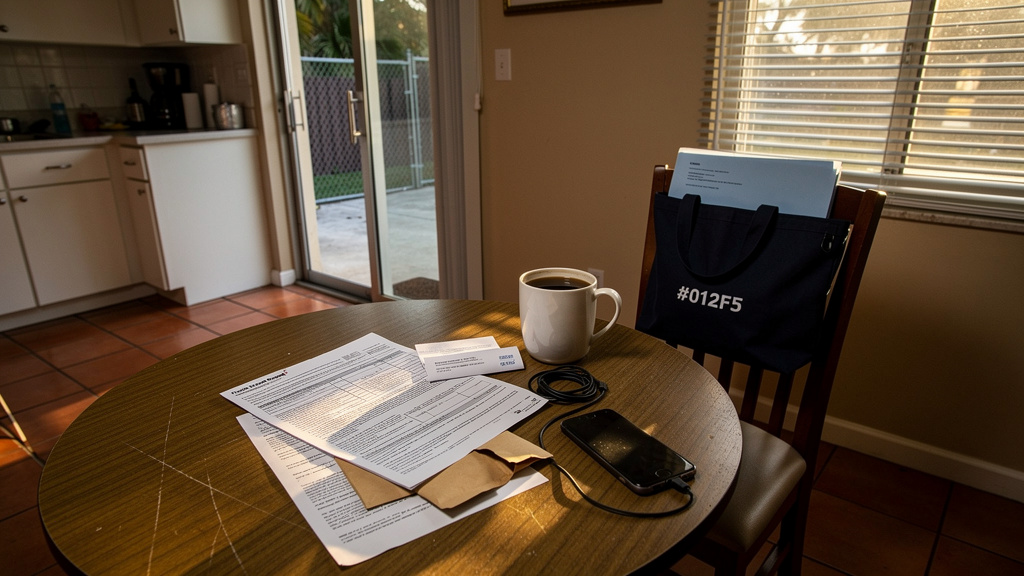
Most Florida car accident settlements take anywhere from a few months to well over a year. How long depends almost entirely on two things: how long medical treatment lasts, and whether the insurance company disputes fault or the value of your injuries. Simple claims with clear liability can resolve a few months after treatment ends. Serious-injury cases that go into litigation can run two years or longer. Anyone who gives you a firm date before knowing your full medical picture is guessing, and a guess that leads you to settle too early can cost you far more than the wait.
What is the short answer on how long this will take?
For a minor crash with clear fault, some cases have resolved in a matter of weeks after treatment ends. For moderate injuries, a year or more is common. For cases that require filing a lawsuit, add another year or longer on top of that. Some cases have run three years or more. There is no single number that fits every claim.
The single biggest driver of the timeline is how long you need medical treatment. The settlement cannot safely be reached until you, or your doctor, knows what the injury has actually cost and what it will continue to cost. Settling before that point almost always means accepting less than the injury is worth.
One number you need to know right now: under Florida Statute 95.11, you have two years from the date of the crash to file a negligence lawsuit if your crash happened on or after March 24, 2023. Older crashes had a four-year window, but the 2023 tort reform changed that. Two years sounds like a long time, and it is. But treatment, documentation, negotiation, and litigation all run against that clock. Knowing the deadline matters even if you never plan to set foot in a courtroom.
Step 1: Why does medical treatment control the whole timeline?
The concept is called maximum medical improvement, or MMI. MMI is the point at which your doctor determines that your condition has stabilized and further significant recovery is not expected. It does not always mean you are fully healed. It means your medical picture is clear enough to put a real number on what the injury has cost and what ongoing care, if any, you will need.
Settling before MMI is a serious risk. Once you sign a release, the case is over. If your back turns out to need surgery three months later, there is no going back to the insurance company for more money.
A common myth is that soft tissue injuries are minor and resolve quickly. Whiplash, nerve damage, and concussions can take months to fully reveal themselves. Back injuries that eventually require injections or surgery can take six months to a year or more to reach MMI. Spinal cord injuries and traumatic brain injuries can have MMI timelines of eighteen months or longer.
Early medical care matters for another reason beyond your health. Every empty day between the collision and your first doctor visit is a day an adjuster can point to as proof the injury was not serious. Under Florida Statute 627.736, you must receive initial medical treatment within 14 days of the crash or your own PIP policy pays nothing toward your medical bills.
PIP, which stands for personal injury protection, pays 80 percent of reasonable medical expenses and 60 percent of lost income, up to $10,000 when a doctor documents an emergency medical condition. Without that documentation, the cap drops to $2,500. PIP pays regardless of who caused the crash.
Under Florida Statute 627.736(4)(e), PIP pays in a specific order: your own policy pays first. If you have no policy, a resident relative’s policy pays. Only if neither exists does the striking vehicle’s PIP apply, and that rule covers Florida-resident pedestrians and cyclists. Learning more about Florida’s 14-day PIP rule before you miss that window is worth a few minutes right now.
Step 2: What happens while records and bills are being gathered?
This phase runs alongside your treatment, not after it. Your attorney, if you have one, begins collecting the documents that will make up your demand package long before you reach MMI. The goal is to have everything organized and ready to send as soon as your doctor clears you.
Records gathered during this phase include the police crash report, medical records from every treating provider, imaging studies such as MRIs and X-rays, itemized bills, wage-loss documentation, photographs from the scene and of your injuries, and any witness statements.
One practical note on the police report: under Florida Statute 316.066, crash reports are confidential for 60 days from the date of the crash, except to the parties involved, their insurers, and their attorneys. The general public cannot pull the report during that window, but you and your lawyer can.
This phase does not usually add significant time to the overall timeline on its own. What it can do is create delays in the next step. Missing records, providers slow to respond, and incomplete billing documents are among the most common reasons a demand package sits for weeks longer than it should. Organized, complete records submitted with the demand are one of the few things within your control that can speed the process up.
Step 3: What happens during the demand and negotiation stage?
Once you reach MMI, your attorney prepares a demand package and sends it to the at-fault driver’s liability insurer. The package contains a liability summary, all medical records and bills, wage-loss documentation, and a demand figure covering past and future damages.
Insurers commonly respond within a few weeks to a couple of months. Some take longer and request additional records. Some schedule what is called an independent medical examination, or IME, to dispute whether your injury meets the permanent-injury threshold required under Florida Statute 627.737(2). That statute requires that your injury be permanent, involve significant permanent scarring, or involve permanent loss of a bodily function before you can recover pain and suffering damages from the at-fault driver. An IME scheduled by the insurer is not an examination done for your benefit; it is a tool used to challenge permanency.
The first offer you receive is almost never the final number. It is a starting point, and it is a bet the insurer is making about what your full recovery is going to cost, before they know for certain. Back-and-forth negotiation on a straightforward case may wrap up in a few weeks after the demand is sent. On complex cases, it can stretch several months.
Signing a release before you understand your future medical needs is final. The case cannot be reopened. If surgery becomes necessary after you sign, you have no recourse. That is the practical answer to the fear many people voice about needing money now but not wanting to hurt themselves long term. Waiting until the medical picture is complete is almost always the right call, even when it is uncomfortable.
Step 4: What happens if a lawsuit is filed?
Filing a lawsuit does not mean a trial is coming. Most people who file suit never see a courtroom. Filing is a legal tool that creates deadlines, forces the exchange of evidence, and gives the insurance company a reason to take the claim seriously that it may not have had before.
After a complaint is filed and the defendant is served, which can take several weeks to a few months depending on cooperation, the case moves into discovery. Discovery is the phase where both sides exchange documents, answer written questions, and take sworn depositions of witnesses and parties. Discovery alone commonly runs many months.
Florida courts commonly order mediation before trial in personal injury cases. Mediation is a structured negotiation session with a neutral third party. The majority of cases that reach litigation settle at or before mediation. Trial is the exception, not the rule.
From filing to resolution, a litigated case commonly adds a year or more to the total timeline. The two-year statute of limitations under Florida Statute 95.11 is the hard outer deadline for crashes on or after March 24, 2023. Filing suit before that deadline protects your rights even if negotiations are still ongoing. You can read more about how long a personal injury case takes in Miami-Dade and what to expect at each stage.
After a settlement agreement is signed, Florida Statute 627.4265 gives the insurer 20 days to issue payment. In practice, the net check to you typically arrives within a few weeks of signing, after attorney fees, case costs, and any medical liens are resolved.
What speeds a case up, and what slows it down?
Several things within your control can shorten the timeline. Prompt medical care within the 14-day PIP window removes one of the most common adjuster arguments. Consistent treatment with no unexplained gaps supports the credibility of your injury. Reaching MMI relatively quickly, organizing records thoroughly before the demand is sent, and having a police report that clearly confirms the other driver’s fault all move things forward.
Some things slow a case down regardless of what you do. Disputed fault causes the insurer to investigate before making any meaningful offer. Injuries that require surgery or long-term rehabilitation extend the time to MMI. When the insurer contests permanency through an IME, the demand-and-negotiation phase stretches. High policy limits give the insurer a financial reason to investigate deeply. Delays in obtaining medical records from providers are common and can hold up a demand for weeks. Congested court dockets in Miami-Dade County add time to any litigated case.
If the at-fault driver carried no bodily injury insurance or not enough to cover your losses, your case may have a separate avenue: uninsured or underinsured motorist coverage, known as UM coverage, under your own policy. Under Florida Statute 627.727, UM coverage is optional and must be rejected in writing to be absent from a policy. If you have it, it can provide a parallel recovery when the at-fault driver’s coverage falls short. Uninsured motorist claims work differently from a standard liability claim, but the same general timeline considerations apply.
A word on what a settlement actually puts in your pocket. A contingency fee means you pay no attorney fee unless there is a recovery. But the gross settlement is not what you take home. Attorney fees, case costs, and medical lien repayments, including repayment to health insurers, Medicare or Medicaid, or providers, all come out of the settlement. Understanding how a Florida accident settlement is split between fees, costs, and bills before you sign anything will prevent surprises. The process is not free money, but the fee comes from the recovery, not out of your pocket beforehand.
For a closer look at how car accident claims move from the crash to the check, including what to bring to your first conversation with an attorney, the firm’s blog covers many of the specific situations Hialeah and Miami-Dade residents face most often.
Frequently asked questions
What is the deadline to file a car accident lawsuit in Florida?
For crashes that happened on or after March 24, 2023, Florida Statute 95.11 gives you two years from the date of the crash to file a negligence lawsuit. Crashes before that date had a four-year window under the prior law. Missing the deadline almost always means losing your right to sue, regardless of how strong your case is.
Can I still recover if I was partly at fault for the crash?
Yes, as long as your share of fault is 50 percent or less. Under Florida Statute 768.81(6), Florida uses modified comparative negligence: your recovery is reduced by your percentage of fault. If you are found to be 30 percent at fault, you recover 70 percent of your damages. If you are found to be more than 50 percent at fault, you recover nothing.
What if the other driver has no insurance or not enough coverage?
Your own UM policy, if you have one, can pay when the at-fault driver’s coverage is absent or insufficient. Under Florida Statute 627.727, UM coverage must be rejected in writing to be excluded from your policy, so many drivers have it without realizing it. If you are uncertain whether you have UM coverage, check your declarations page or call your insurer. What to do when an uninsured driver hits you covers the practical steps in more detail.
Should I accept the first settlement offer the insurance company makes?
The first offer is almost never the final or fair number. It is the insurer’s opening position, made before the full cost of your recovery is known. Accepting it early and signing a release closes the case permanently. If future medical needs emerge after you sign, you have no recourse. Getting a free consultation before you respond to any offer costs you nothing.
What does PIP cover and who pays it first?
PIP, personal injury protection, pays 80 percent of reasonable medical expenses and 60 percent of lost wages, up to $10,000 when a doctor documents an emergency medical condition, or up to $2,500 without that documentation. It pays regardless of who caused the crash. Your own PIP policy pays first. If you have none, a resident relative’s policy pays next. Only if neither exists does the striking vehicle’s PIP apply for a Florida-resident pedestrian or cyclist, per Florida Statute 627.736(4)(e). You must receive initial treatment within 14 days of the crash or PIP pays nothing.
Hurt in an accident in Hialeah? Call Wolfson & Leon at 305-965-3766 for a free consultation. We speak Spanish, and there is no fee unless we win.
Key facts
- You must receive initial medical treatment within 14 days of the crash or your own PIP policy pays nothing toward your medical bills. Source: Florida Statute 627.736
- PIP pays 80 percent of reasonable medical expenses and 60 percent of lost income, up to $10,000 when a doctor documents an emergency medical condition, otherwise up to $2,500. Source: Florida Statute 627.736
- For crashes on or after March 24, 2023, you have two years from the date of the crash to file a negligence lawsuit; older crashes had a four-year window. Source: Florida Statute 95.11
- To recover pain and suffering damages from the at-fault driver, your injury must be permanent, involve significant permanent scarring, or involve permanent loss of a bodily function. Source: Florida Statute 627.737(2)
- If you are found more than 50 percent at fault, you recover nothing; if you are 50 percent or less at fault, your recovery is reduced by your share of fault. Source: Florida Statute 768.81(6)
Frequently asked questions
What is the deadline to file a car accident lawsuit in Florida?
For any crash that happened on or after March 24, 2023, you have two years from the date of the accident to file a negligence lawsuit under Florida Statute 95.11. If your crash happened before that date, the old four-year window may still apply. Missing the deadline means the court will dismiss your case regardless of how strong the evidence is, so do not wait until the last moment to consult an attorney.
Can I still recover if I was partly at fault for the crash?
Yes, as long as you are not more than 50 percent at fault. Under Florida Statute 768.81(6), Florida uses a modified comparative negligence rule: your recovery is reduced by whatever percentage of fault is assigned to you, but it is only cut off entirely if your share of fault exceeds 50 percent. If the insurance company is arguing that you caused the crash, that dispute will affect both the timeline and the value of the claim.
What if the other driver has no insurance or not enough coverage?
If the at-fault driver is uninsured or carries bodily injury limits too low to cover your losses, your own uninsured/underinsured motorist coverage, called UM, can pay the difference. Under Florida Statute 627.727, UM coverage is optional and must have been rejected in writing for it to be absent from your own policy. Checking your own policy for UM coverage early in the process is important.
Should I accept the first settlement offer the insurance company makes?
In almost every case, no. The first offer arrives before the insurer knows the full cost of your recovery, and accepting it releases all future claims. Once you sign a settlement release, you cannot reopen it even if you need additional surgery later. The better practice is to wait until your doctors have determined whether your condition has stabilized, then evaluate any offer against your complete documented losses.
What does PIP cover and who pays it first?
Florida's Personal Injury Protection insurance pays 80 percent of reasonable medical bills and 60 percent of lost income, up to $10,000 when a doctor documents an emergency medical condition, or up to $2,500 otherwise, under Florida Statute 627.736. It pays regardless of who caused the crash. Your own PIP policy pays first; if you have none, a resident relative's PIP policy is next; only if neither exists does the PIP of the vehicle that hit you apply, and only for a Florida-resident pedestrian or cyclist. You must receive initial treatment within 14 days of the crash or PIP pays nothing.
This article is general information about Florida law, not legal advice, and reading it does not create an attorney-client relationship. Every case is different and past results do not guarantee a similar outcome. For advice about your situation, call Wolfson & Leon at 305-965-3766 for a free consultation.
Also available in: Versión en español
 Car accidents
Small Car Accident in Florida: Do You Actually Need a Lawyer?
Whether you need a lawyer after a small crash in Florida depends on whether anyone was hurt, not just how much metal was bent. If pain showed up…
 Car accidents
How Long Does a Car Accident Case Take in Florida?
Most Florida car accident cases settle in three to eighteen months, but serious injuries, disputed fault, or a lawsuit can push that to two years or…
 Car accidents
Minor Car Accident in Hialeah: When You Need a Lawyer and When You Don't
Not every minor crash in Hialeah requires a lawyer. If your accident caused property damage only, fault is not disputed, the other insurer has…