
Small Car Accident in Florida: Do You Actually Need a Lawyer?
Whether you need a lawyer after a small crash in Florida depends on whether anyone was hurt, not just how much metal was bent. If pain showed up later, fault is disputed, or the other driver had no bodily injury coverage, a free consultation can tell you exactly where you stand, and Florida's deadlines mean waiting to decide is itself a decision.
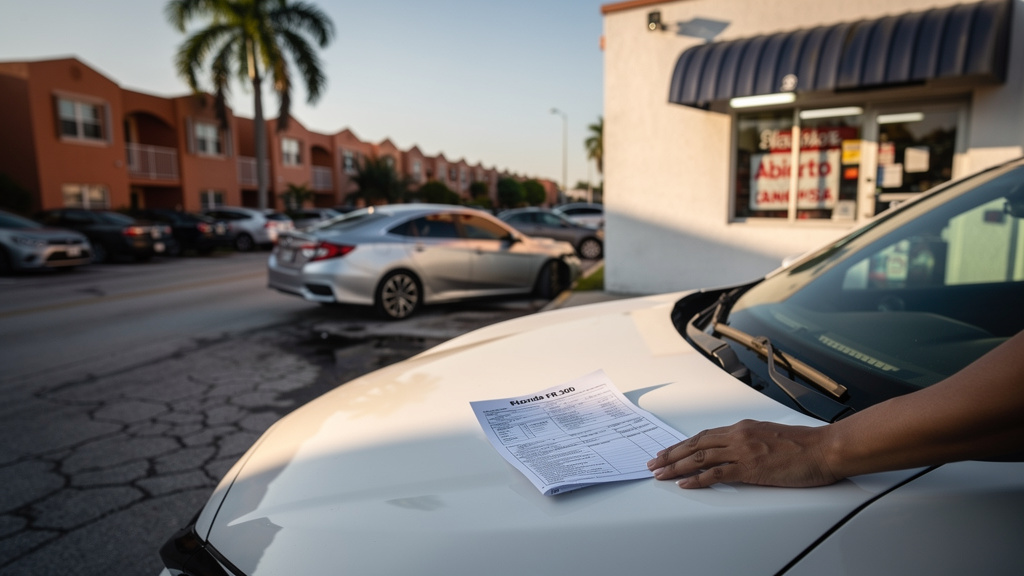
Whether you need a lawyer after a small crash in Florida depends on whether anyone was hurt, not just how much metal was bent. If pain showed up later, fault is disputed, or the other driver had no bodily injury coverage, a free consultation can tell you exactly where you stand. Florida’s deadlines are specific and unforgiving, so waiting to decide is itself a decision.
When can I handle a minor Florida accident on my own?
Some crashes genuinely do not require a lawyer. The honest answer is that a property-damage-only claim is often manageable without one, and a credible law firm will tell you that directly.
Four conditions have to all be true before you can reasonably go it alone. First, no one was hurt and no pain has developed in the days since the crash. Second, only property was damaged and the repair estimate is straightforward. Third, fault is not disputed and the other driver’s insurer has accepted responsibility. Fourth, the insurer is paying fairly and promptly.
Informal advice often says your insurance will handle everything. That framing is fine when all four conditions above are met. The moment any one of them is not, that advice can cost you. If you are unsure whether all four apply, a short free call can confirm it without committing you to anything.
What are the warning signs that I do need a lawyer?
Car accident claims in Hialeah and Miami-Dade follow patterns, and these are the signs that a small crash is not as simple as it looks.
Pain, stiffness, headaches, or tingling that appeared hours or days after the crash is a red flag. Adrenaline masks injury at the scene, and a crash that felt minor on impact can produce symptoms by the next morning.
The adjuster asking for a recorded statement or offering a quick settlement check is a red flag. A signed release closes your claim permanently, even if you need an MRI or injections next month.
The other driver is disputing fault or has changed their story. Under Florida’s modified comparative negligence rule (§ 768.81), insurers will argue your share of fault above 50 percent to pay nothing at all.
The other driver had no bodily injury liability coverage. Florida does not require drivers to carry it, and your own uninsured motorist coverage under § 627.727 may be the only route to compensation beyond PIP. Insurers do not volunteer this information.
A rideshare, delivery, or commercial vehicle was involved. Additional policies and coverage tiers apply in those crashes. Whether you need a lawyer of your own in that situation is a question that deserves a real answer before you respond to any adjuster.
What is Florida’s 14-day PIP rule and why does it catch people off guard?
PIP stands for personal injury protection. Under Florida Statute § 627.736, your own auto insurance policy’s PIP coverage pays your medical bills first, regardless of who caused the crash. If you have no PIP, a household relative’s PIP policy pays next. The at-fault driver’s PIP does not pay your bills first.
The rule that catches people in exactly these “minor crash” situations is the 14-day PIP deadline. You must receive initial medical care within 14 calendar days of the crash. Miss that window and PIP pays nothing at all, not a reduced amount, nothing. Someone who feels basically okay decides to wait and see, and the deadline passes.
The benefit cap is also misunderstood. PIP pays up to $10,000 in medical benefits only if a qualified provider documents an emergency medical condition. Without that finding, the cap is $2,500. PIP covers 80 percent of reasonable medical bills and 60 percent of lost wages. It covers nothing for pain and suffering.
Pain and suffering damages require a separate claim against the at-fault driver, and under § 627.737(2), Florida law requires proof of a permanent injury, permanent loss of a bodily function, or significant permanent scarring or disfigurement. Finally, PIP remains part of Florida law.
What if my injuries didn’t show up until days after the crash?
Delayed symptoms are common and they do not automatically kill a claim. Whiplash, soft-tissue injuries, and concussions frequently appear hours or days after impact. Vehicle damage and occupant injury are measured by different variables. Body position, age, and whether the person was braced or surprised all matter. A low-speed rear-end hit the occupant never saw coming can produce a very different injury profile than the same forces applied to someone who was braced and ready.
If you already told an adjuster you feel fine, do not assume your claim is over. Get medical care immediately. The 14-day PIP clock runs from the crash date, not from when symptoms appeared.
Consistent and prompt treatment matters. Gaps in treatment are the first thing an adjuster uses to dispute causation. A clean prior medical history works in your favor. No prior neck or back complaints, no prior imaging, no prior treatment creates a before-and-after contrast that a photograph of a scraped bumper cannot explain away.
Do not sign a release or accept a settlement while symptoms are still developing. Early settlements are final. The check that looked fair when you felt fine will not reopen once you need surgery.
What does Florida’s two-year filing deadline mean for me right now?
For any crash on or after March 24, 2023, the deadline to file a negligence lawsuit in Florida is two years from the crash date under § 95.11. That is half the time that existed before. Missing the deadline almost always means losing the right to sue, regardless of how strong the evidence is.
The clock starts on the crash date, not on the date symptoms appeared and not on the date treatment ended. This change has already cost some Florida injury victims their right to compensation because they assumed the old four-year window still applied. For wrongful death claims, the deadline runs from the date of death.
Calling sooner rather than later matters for three practical reasons. Evidence disappears: surveillance footage is overwritten, vehicles are repaired, witnesses forget details. PIP benefits need to be protected from the start of treatment. And adjuster tactics sometimes stretch negotiations deliberately, pushing a case toward the deadline before a low settlement offer goes on the table. You can read more about Florida’s two-year personal injury statute of limitations and how it applies to crashes in Miami-Dade.
What does a free consultation actually cost, and what should I expect from it?
The consultation is free. If Wolfson & Leon takes your case, the firm works on a contingency fee, meaning nothing upfront, nothing by the hour, and no fee unless money is recovered. The fee is a percentage of the recovery, set out in a written agreement that Florida Bar rules govern and require to be in writing.
A consultation can also end with “you don’t need a lawyer for this,” and the firm will say so. The honest question on any small crash is whether legal help adds value. Sometimes it does not. In a true property-damage-only claim with no injuries and a cooperative insurer, often no lawyer is needed.
When there is an injury, delayed symptoms, disputed fault, or a coverage gap, the calculation changes. A lawyer can find coverage the client did not know existed, keep PIP benefits from being cut short, document future care needs, and negotiate medical liens so more of any settlement actually reaches the client. You can learn more about what to expect from a free personal injury consultation in Miami-Dade and how personal injury lawyer fees work in Hialeah.
Calling sooner protects options. Waiting narrows them.
Frequently asked questions
What happens if the other driver who hit me has no insurance in Florida?
Florida does not require drivers to carry bodily injury liability coverage, so this situation is common. Your own uninsured motorist coverage under § 627.727 may be the only source of compensation beyond your PIP benefits. If you rejected UM coverage in writing when you bought your policy, that option may not be available, which is one reason a lawyer reviews your own policy first, not just the other driver’s.
The adjuster is offering me a quick settlement after my small crash. Should I take it?
Do not accept any settlement while symptoms are still developing or before you know the full extent of your medical needs. A signed release is permanent: once you settle, you generally lose any future claim, including a claim for pain and suffering under Florida’s serious injury threshold under § 627.737(2), even if a permanent injury is diagnosed later. A free consultation before signing costs nothing and can tell you whether the number on the table reflects what the claim is actually worth.
If my car had only minor damage, does that mean my injury claim isn’t worth anything?
No. Vehicle damage and occupant injury follow different physics. Body position, muscle tension, age, and the direction of impact all affect the occupant independently of what the bumper looks like. Adjusters routinely use low vehicle damage photographs to minimize injury claims, but that argument can be answered with the right medical documentation. A rear-end crash with little visible damage on Okeechobee Road is not automatically a claim worth nothing.
I didn’t call the police after my fender bender. Does that hurt my case?
It makes the case harder to document, but it does not end it. Other evidence can fill the gap: photos from the scene, the other driver’s insurance acknowledgment, medical records timed close to the crash, witness contact information, and surveillance footage from nearby businesses. A police report is one piece of evidence, and its absence is a problem to manage, not a bar to recovery. Get your own Hialeah Police Department crash report if one was filed, even after the fact.
Can I still hire a lawyer if I already reported to my insurer or gave a statement?
Yes. Reporting a crash to your insurer is required under most policies. Giving a statement, even an unfavorable one, does not forfeit your right to legal representation. What the statement says matters, but a lawyer can review it, provide context, and advise you on what to say or not say going forward. The sooner you get counsel involved after a problematic statement, the better the position you are in before the adjuster uses it.
Hurt in an accident in Hialeah? Call Wolfson & Leon at 305-965-3766 for a free consultation. We speak Spanish, and there is no fee unless we win.
Key facts
- You must get medical treatment within 14 calendar days of the crash or your PIP benefits are forfeited entirely, not reduced, forfeited. Source: Florida Statute § 627.736
- PIP pays 80 percent of reasonable medical bills and 60 percent of lost income, up to $10,000 only if a qualified provider documents an emergency medical condition; without that finding, the medical benefit cap is $2,500. Source: Florida Statute § 627.736
- For crashes on or after March 24, 2023, injured Floridians have two years from the date of the accident to file a negligence lawsuit, down from four years under prior law. Source: Florida Statute § 95.11
- If you are found more than 50 percent at fault, you recover nothing from the other driver; at exactly 50 percent or less, your recovery is reduced by your share of fault. Source: Florida Statute § 768.81(6)
- To claim pain and suffering damages from the at-fault driver, Florida law requires the injured person to have suffered a permanent injury, significant permanent loss of a bodily function, or significant permanent scarring or disfigurement. Source: Florida Statute § 627.737(2)
Frequently asked questions
What happens if the other driver who hit me has no insurance in Florida?
Florida does not require drivers to carry bodily injury liability coverage, so the driver who hit you may have nothing to pay your injury claim beyond their PIP. Your own uninsured motorist coverage, which is optional under Florida Statute § 627.727 and must be rejected in writing if you don't want it, may be the only way to recover compensation for injuries beyond what your PIP pays. Insurers do not typically volunteer this information. A free consultation can identify whether UM coverage applies to your situation.
The adjuster is offering me a quick settlement after my small crash. Should I take it?
Do not sign a release or accept a settlement while your injuries are still developing or your treatment is ongoing. A signed release closes the claim permanently, if you need an MRI, injections, or physical therapy a month later, that claim is over. Adrenaline and the shock of a crash can mask pain at the scene, and soft-tissue injuries commonly appear days later. At minimum, see a doctor within 14 days of the crash before making any decision about a settlement.
If my car had only minor damage, does that mean my injury claim isn't worth anything?
No. Vehicle damage and occupant injury are measured by different variables. How much a car deforms depends on its structure and the angle of impact; how much a person is hurt depends on their body position, age, whether they saw the crash coming, and other factors unrelated to the bumper. Low property damage does not automatically defeat an injury claim, though insurers often argue otherwise.
I didn't call the police after my fender bender. Does that hurt my case?
Florida law generally requires notifying law enforcement when there are injuries, fatalities, or apparent property damage of $500 or more (§ 316.065), and modern repair costs often exceed $500 even in minor crashes. If police were not called, you may be able to file a driver's self-report of the crash with the Florida Department of Highway Safety and Motor Vehicles. Lacking a police report makes documentation more important: photograph both vehicles, the scene, and the other driver's license, plate, and insurance card, and collect witness contact information.
Can I still hire a lawyer if I already reported to my insurer or gave a statement?
Yes, as long as you have not signed a release or accepted a final settlement. Giving an initial statement to your own insurer to open a PIP claim is routine and does not close your options. However, you should not give a recorded statement to the other driver's insurer or sign any document from them without understanding what you are agreeing to. If you have already done so, a consultation can assess what options remain.
This article is general information about Florida law, not legal advice, and reading it does not create an attorney-client relationship. Every case is different and past results do not guarantee a similar outcome. For advice about your situation, call Wolfson & Leon at 305-965-3766 for a free consultation.
Also available in: Versión en español
 Car accidents
How Long Does a Car Accident Case Take in Florida?
Most Florida car accident cases settle in three to eighteen months, but serious injuries, disputed fault, or a lawsuit can push that to two years or…
 Car accidents
Minor Car Accident in Hialeah: When You Need a Lawyer and When You Don't
Not every minor crash in Hialeah requires a lawyer. If your accident caused property damage only, fault is not disputed, the other insurer has…
 Car accidents
Rear-Ended on Okeechobee Road: What Is My Claim Actually Worth?
There is no flat number: the value of a rear-end claim on Okeechobee Road depends on your actual injuries, how much medical treatment you received,…