
How Long Does a Car Accident Case Take in Florida?
Most Florida car accident cases settle in three to eighteen months, but serious injuries, disputed fault, or a lawsuit can push that to two years or longer. The single biggest factor is how long your medical recovery takes, because no lawyer can fairly value your claim until your doctors know the full extent of your injuries. Cases that reach trial in Miami-Dade Circuit Court typically take eighteen months to three years from the filing date.
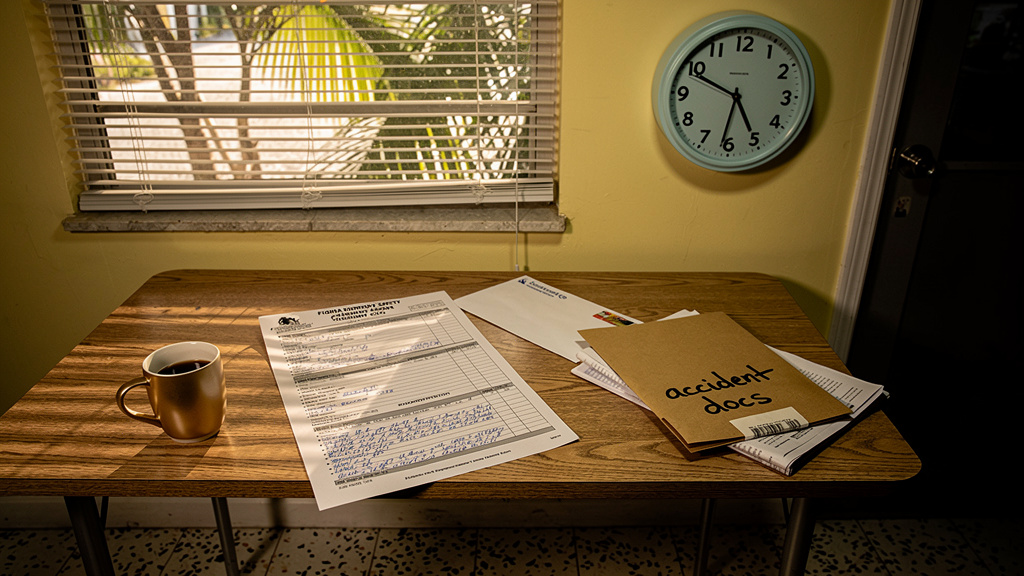
Most Florida car accident cases settle in three to eighteen months. Serious injuries, disputed fault, or a lawsuit filed in court can push that timeline to two years or longer. The single biggest factor is your medical recovery: no attorney can fairly value your claim until your doctors know the full extent of your injuries. Cases that reach trial in Miami-Dade Circuit Court typically take eighteen months to three years from the date the lawsuit is filed.
How long does a car accident case take in Florida overall?
A common question is how long a case actually takes, and whether the wait is worth it. The honest answer is that it depends on the facts of your specific case, and the range is wide.
For straightforward crashes with clear fault and injuries that resolve in a reasonable time, many cases settle three to six months after treatment ends. Serious injuries or disputed liability push that to one to two years. A case that goes through full litigation in Miami-Dade Circuit Court can take eighteen months to three years from the crash date.
The vast majority of car accident claims settle before a jury ever hears them. A trial is not the default outcome. It is what happens when the insurance company refuses to pay what the evidence supports.
Why does medical treatment control your case timeline?
Your medical recovery controls your case timeline more than anything else. The legal concept is called maximum medical improvement, or MMI. It is the point at which your doctors can say, with reasonable certainty, what your injuries are, what treatment you will need going forward, and whether you will recover fully or carry lasting damage. Until you reach MMI, no one can honestly calculate what your claim is worth.
Settling before MMI is a mistake that cannot be undone. Once you sign a release, you cannot go back for more money, even if new symptoms appear or your condition worsens. A whiplash injury may reach MMI in a few months. A case involving back surgery can take six months to a year or more before the picture is clear.
There is also a hard rule with no exceptions: under Florida Statute § 627.736, you must seek medical treatment within 14 days of the crash. Miss that window and your PIP coverage pays nothing toward your medical bills. Every empty day between the collision and your first doctor visit is a day an adjuster can point to and argue your injury came from something other than the crash. See a doctor now, and make sure your records accurately reflect how you feel.
PIP, which stands for personal injury protection, pays 80 percent of reasonable medical bills and 60 percent of lost income, up to $10,000 when a doctor documents an emergency medical condition, or up to $2,500 otherwise. It pays regardless of who caused the crash. To claim pain and suffering from the at-fault driver, your injury must be permanent, involve significant scarring, or involve permanent loss of a bodily function, under Florida Statute § 627.737(2).
You can learn more about Florida’s 14-day PIP rule and how it applies to your situation.
What happens after treatment ends: the demand letter and negotiation?
Once you reach MMI, your attorney assembles the demand package. This typically takes a few weeks and includes your medical records, bills, lost income documentation, and a written demand addressed to the at-fault driver’s insurer. Sending it starts the negotiation clock.
The back-and-forth between your attorney and the adjuster usually runs from a few weeks to a few months. The insurer’s first offer is a starting point, not a final number. Adjusters are trained to open low.
Florida law gives insurers an incentive to resolve clear cases: a liability insurer that pays its policy limits within 90 days of receiving notice with adequate supporting documentation generally cannot later be found liable for bad faith on that claim. PIP claims are typically processed within 30 days of complete documentation under FS § 627.736.
If both sides agree on a number, the settlement is put in writing and you sign a release. Under Florida Statute § 627.4265, the insurer has 20 days to pay after the release is signed, and the amount accrues interest if they pay late.
How much time does filing a formal lawsuit add?
Filing a lawsuit and going to trial are not the same thing. Filing opens the formal litigation process. A trial date may be months or years away, and most cases still settle before one is ever held.
Under Florida Statute § 95.11, for injuries on or after March 24, 2023, you have two years from the crash date to file a negligence lawsuit. Before that date, the deadline was four years. Missing the deadline almost certainly ends your right to sue, regardless of how strong your claim is. This is a reason to consult an attorney early, not to rush into settling.
Once a lawsuit is filed, the defendant has 20 days to respond after being served. Discovery, which covers exchanging documents, taking depositions, and retaining expert witnesses, typically runs six to twelve months on its own. Florida courts generally require mediation before trial, and many cases settle at or before that stage.
A case that goes through full litigation in Miami-Dade Circuit Court typically takes 18 to 36 months from the filing date to resolution. Since 2025, courts issue case management orders with projected trial dates. When a case does go to trial, a standard car accident trial in Miami-Dade runs roughly two to seven days.
For more on what happens after a lawsuit is filed, see how long a personal injury case takes in Miami-Dade.
What makes a case move faster or slower?
Some factors shorten a case. Clear liability with one defendant, injuries that resolve quickly, and an insurer that acts in good faith all tend to move things along.
Several factors push a case in the other direction.
Disputed fault is one of the biggest. Under Florida Statute § 768.81(6), Florida follows modified comparative negligence. Your recovery is reduced by your percentage of fault. If you are found more than 50 percent at fault, you recover nothing. Because the stakes are high, insurers fight comparative fault hard in cases where any argument can be made that you contributed to the crash.
Severe or permanent injuries take longer because the medical picture takes longer to develop. Multiple parties or multiple insurance policies add layers of negotiation. If the at-fault driver had no insurance, your claim may move to your own uninsured motorist coverage under Florida Statute § 627.727, which must have been selected and not rejected in writing. Learn more about uninsured motorist claims in Florida.
Claims against a city, county, or state agency require written notice and a waiting period of up to six months before a lawsuit can be filed. Other common delays include court backlogs in Miami-Dade, slow retrieval of hospital records, independent medical examinations ordered by the insurer, and litigation strategy by either side.
Crashes on high-volume corridors like the Palmetto Expressway or Okeechobee Road often involve multiple vehicles and disputed accounts of who did what. Read more about Palmetto Expressway crash claims and how fault is determined in those situations.
When does the money arrive after a settlement?
Reaching a settlement number is not the last step. After you sign the release, your attorney must resolve any outstanding liens before issuing your check. Those liens can include repayment claims by health insurers, Medicare, or Medicaid, and medical provider liens for bills that were not yet paid.
Under Florida Statute § 627.4265, the insurer has 20 days to issue payment after the release is signed. If they pay late, the amount accrues interest. In practice, most clients receive their portion of the settlement within four to six weeks of signing the release.
A contingency fee arrangement means you pay no attorney fee unless there is a recovery. It does not mean the money arrives without deductions. The attorney’s fee, case costs, and lien amounts are all resolved from the settlement before the client’s check is issued. Understanding that in advance avoids a common source of confusion at the end of a case.
For a plain breakdown of how a Florida settlement is divided, see how a Florida accident settlement is split between fees, costs, and bills.
Frequently asked questions
Does missing the 14-day deadline only affect my PIP claim, or does it hurt my whole case?
Missing the 14-day treatment window under Florida Statute § 627.736 cuts off your PIP coverage entirely, meaning your own insurer pays nothing toward your medical bills regardless of who caused the crash. It also damages the broader claim: a gap between the crash and your first medical visit gives the at-fault driver’s insurer an argument that your injuries were not caused by the collision. Gaps in treatment can reduce or undermine an otherwise valid injury claim even when PIP is not the only source of recovery.
Can I still file a lawsuit if the other driver had no insurance?
Yes. If the at-fault driver had no insurance, your case is not over. It moves to your own uninsured motorist coverage under Florida Statute § 627.727, if you selected that coverage and did not reject it in writing. If you did not have UM coverage, other options may exist depending on the facts of your situation. A free consultation can help clarify which policies apply to your case.
What does “two-year statute of limitations” actually mean for me?
It means you have two years from the date of the crash to file a negligence lawsuit in Florida, under Florida Statute § 95.11, for injuries that occurred on or after March 24, 2023. This deadline applies to a court filing, not to an insurance claim. Missing it almost certainly bars you from suing, regardless of how strong your case is. Two years can pass faster than it seems, particularly when you are focused on medical recovery and dealing with an adjuster.
Will my case definitely go to trial?
No. Most Florida car accident claims settle before a lawsuit is ever filed, and the majority of those that do reach litigation settle at or before mediation. Florida courts generally require mediation before a civil trial, and that step alone resolves a significant number of cases. A trial becomes more likely when the insurer refuses to offer a reasonable amount and the evidence strongly supports the injured person’s position.
Can I be blamed for part of the accident, and does that end my case?
Under Florida Statute § 768.81(6), Florida uses modified comparative negligence. If you are found partly at fault, your recovery is reduced by your percentage of fault. If you are found more than 50 percent at fault, you cannot recover anything. Being assigned some fault does not automatically end your claim, but it does reduce what you can recover. Insurance companies frequently argue comparative fault as a way to reduce payouts, which is one reason having legal representation matters when fault is disputed.
Hurt in an accident in Hialeah? Call Wolfson & Leon at 305-965-3766 for a free consultation. We speak Spanish, and there is no fee unless we win.
Key facts
- You must seek medical treatment within 14 days of a crash or your PIP policy pays nothing toward your medical bills. Source: Florida Statute § 627.736
- For injuries on or after March 24, 2023, you have two years from the crash date to file a negligence lawsuit in Florida. Source: Florida Statute § 95.11
- PIP pays 80 percent of reasonable medical bills and 60 percent of lost income up to $10,000 when a doctor documents an emergency medical condition, or up to $2,500 otherwise, regardless of who caused the crash. Source: Florida Statute § 627.736
- To claim pain and suffering damages from the at-fault driver, your injury must be permanent, involve significant scarring, or involve permanent loss of a bodily function. Source: Florida Statute § 627.737(2)
- Florida court time standards aim to resolve civil jury cases within 18 months of a lawsuit being filed, though contested cases often take longer. Source: Florida court time standards (Fla. R. Gen. Prac. & Jud. Admin. 2.250)
Frequently asked questions
Does missing the 14-day deadline only affect my PIP claim, or does it hurt my whole case?
Missing the 14-day window under Florida Statute § 627.736 cuts off your PIP benefits entirely, meaning your own policy will not reimburse any medical bills regardless of how serious your injuries are. It also hands the at-fault driver's insurer a ready argument that your injuries were not caused by the crash. It does not by itself eliminate a claim against the at-fault driver, but it removes the immediate payment cushion you need to fund treatment and weakens your documentation.
Can I still file a lawsuit if the other driver had no insurance?
Possibly, but your primary resource is your own uninsured motorist (UM) coverage if you purchased it. Under Florida Statute § 627.727, UM coverage is optional and must be rejected in writing; if you have it, it can pay when the at-fault driver has no bodily injury coverage or not enough. UM coverage is for bodily injury, not property damage. If you have no UM coverage and the at-fault driver has no assets, recovering money is practically very difficult even with a valid judgment.
What does 'two-year statute of limitations' actually mean for me?
It means you must file a formal lawsuit in court within two years of the crash date for injuries that occurred on or after March 24, 2023, under Florida Statute § 95.11. If you miss that deadline, the court will dismiss your case regardless of how strong your evidence is. Filing a lawsuit is not the same as going to trial; attorneys often file to protect the deadline while settlement talks continue. For crashes before March 24, 2023, the old four-year deadline may still apply.
Will my case definitely go to trial?
No. The large majority of Florida car accident cases settle before trial, often at the mediation conference that courts generally require before trial. Trial is the exception, not the rule. Attorneys sometimes file a lawsuit not because they expect to go before a jury, but to apply negotiating pressure and protect the filing deadline while talks continue.
Can I be blamed for part of the accident, and does that end my case?
Florida uses a modified comparative negligence rule under Florida Statute § 768.81(6). If you are partly at fault, your compensation is reduced by your percentage of fault. Your recovery is only completely barred if you are found to be more than 50 percent responsible for the crash. Being partially at fault does not automatically end your case, but insurers frequently raise comparative fault arguments to reduce how much they pay.
This article is general information about Florida law, not legal advice, and reading it does not create an attorney-client relationship. Every case is different and past results do not guarantee a similar outcome. For advice about your situation, call Wolfson & Leon at 305-965-3766 for a free consultation.
Also available in: Versión en español
 Car accidents
Small Car Accident in Florida: Do You Actually Need a Lawyer?
Whether you need a lawyer after a small crash in Florida depends on whether anyone was hurt, not just how much metal was bent. If pain showed up…
 Car accidents
Minor Car Accident in Hialeah: When You Need a Lawyer and When You Don't
Not every minor crash in Hialeah requires a lawyer. If your accident caused property damage only, fault is not disputed, the other insurer has…
 Car accidents
Rear-Ended on Okeechobee Road: What Is My Claim Actually Worth?
There is no flat number: the value of a rear-end claim on Okeechobee Road depends on your actual injuries, how much medical treatment you received,…