
How Soon After an Accident Should You Talk to a Lawyer in Florida?
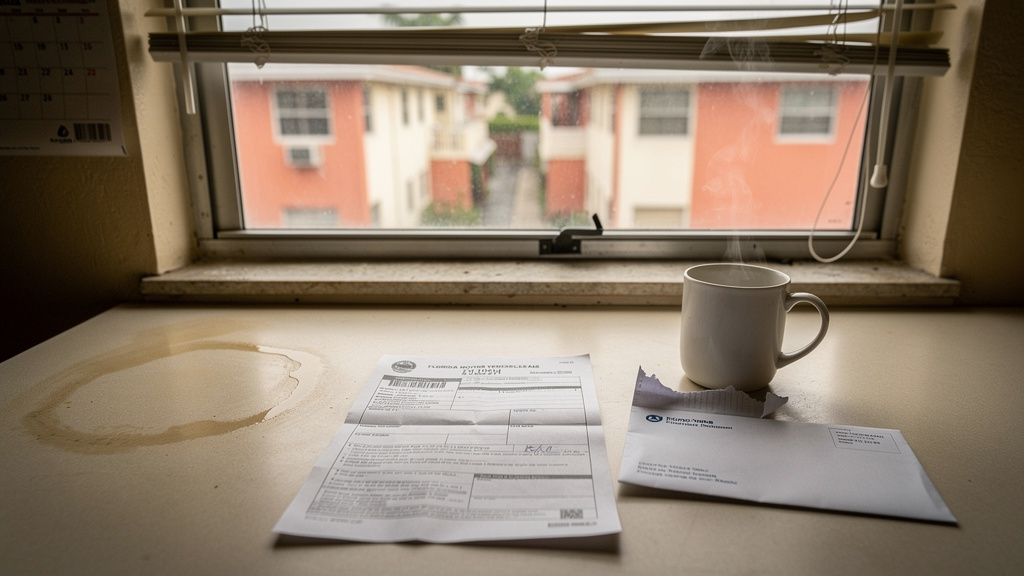
Call before you talk to any insurance adjuster, ideally within the first few days after getting medical care. Multiple legal clocks start on the day of the crash itself, the most urgent being a 14-day window to receive treatment or lose PIP benefits entirely, and waiting hands insurers the advantage of shaping the story before your lawyer can.
Call before you talk to any insurance adjuster, ideally within the first few days after getting medical care. Multiple legal clocks start on the day of the crash itself, the most urgent being a 14-day window to receive treatment or lose PIP benefits entirely, and waiting hands insurers the advantage of shaping the story before your lawyer can.
What is the short answer, days, weeks, or months?
The short answer is days, not weeks or months. If you are reading this because you were hurt yesterday or last week, call a lawyer now, before any insurance adjuster does. The clock begins ticking on the day of the accident, not when your neck starts hurting or when you miss a second day of work. Many people worry about acting too fast or losing their chance to protect themselves. That worry is understandable, but Florida law gives no grace period for uncertainty. The earliest deadline, the 14-day requirement to get initial medical treatment under Florida Statute § 627.736(1)(a), arrives before most people even decide if they need a lawyer. Meanwhile, insurance companies often begin building their file soon after the crash. A free consultation with a personal injury attorney in Hialeah commits you to nothing, but it ensures you understand what you stand to lose by waiting.
What is the 14-day PIP rule and why does it matter first?
Florida’s Personal Injury Protection (PIP) coverage pays for your own medical bills and part of your lost wages regardless of who caused the crash. But it only pays if you receive initial treatment within 14 days of the accident. Miss that window and your PIP pays nothing, even though you paid premiums for it. Under § 627.736(1)(a), PIP covers 80 percent of reasonable medical bills and 60 percent of lost income, up to $10,000 if a doctor documents an emergency medical condition, or up to $2,500 if not. Your own auto policy is the first source of PIP; if you do not have one, a household relative’s policy applies next. If you were hit as a pedestrian or cyclist and neither exists, the vehicle that hit you may provide PIP. PIP does not cover pain and suffering. To recover those damages from the at-fault driver, you must meet Florida’s serious-injury threshold under § 627.737(2): permanent injury, significant scarring, or permanent loss of a bodily function. Insurers often argue, “If you were really hurt, you’d have gone right away.” Missing the 14-day deadline kills your PIP benefits but does not end your claim against the at-fault driver.
What evidence disappears in the first days?
Critical evidence vanishes fast. Supermarket surveillance footage, essential in slip-and-fall cases because Florida law requires proof the store knew or should have known about the hazard (§ 768.0755), may be overwritten after a limited time, sometimes within days. A fall at a grocery store near West 49th Street may leave no video unless a preservation letter is sent immediately. On roads like the Palmetto Expressway (SR 826) or Okeechobee Road (US 27), traffic camera footage held by transportation agencies may also be erased quickly. Skid marks wash away in rain, debris is cleaned up, witness memories blur, and event data recorders in vehicles are lost once cars are repaired or scrapped. Every empty day between the collision and your first medical visit is a day an adjuster can point to. A lawyer can send formal preservation letters that put the store, the other driver, or an agency on notice to keep evidence. Without them, crucial proof may be gone before you realize you needed it. Learn more about supermarket video retention in Hialeah.
What if a government vehicle or property caused the injury?
If a Miami-Dade Transit bus, City of Hialeah public works truck, or other government entity caused your injury, special rules apply. Under Florida Statute § 768.28(6), you must serve a written notice of claim on the agency before filing any lawsuit. This step is mandatory, skip it and your case is likely barred, no matter how severe your injuries. Examples include being rear-ended by a Hialeah city truck on Okeechobee Road or slipping on a cracked sidewalk outside a city building. The notice has its own timing rules, so do not wait. Because crash reports involving injury are confidential for 60 days under § 316.066(1) but accessible to attorneys during that time, it is critical to identify a government defendant early. Waiting can make it harder to meet the notice requirement.
What is the two-year lawsuit deadline and does it apply to everyone?
For crashes occurring on or after March 24, 2023, you have two years from the date of the accident to file a negligence lawsuit under Florida Statute § 95.11. Before that date, the limit was four years. The clock starts on the day of the crash, not when you feel pain or finish treatment. Filing an insurance claim or negotiating with an adjuster does not stop this clock. For minors, Florida pauses the deadline only in limited situations under § 95.051, for example when the child has no parent or guardian to bring the claim, so families should not assume they can wait until the child turns 18. The deadline can also pause if the at-fault party leaves Florida or hides under a false name, but these situations are narrow. Importantly, the PIP 14-day rule and the two-year lawsuit deadline are separate. You can miss PIP and still sue the at-fault driver, as long as you file within two years; to recover pain and suffering, you must also meet the permanent-injury threshold. Delaying legal help risks letting this hard deadline pass mid-negotiation.
Is it ever too late to call a lawyer?
No, it is not automatically too late, as long as you have not signed a release and the two-year deadline has not passed. Even if you waited weeks, gave a recorded statement, or received a low settlement offer, a lawyer can still help. They can review what you said to the insurer, demand preservation of remaining evidence, calculate future medical costs you may not have considered, and take over all communications. Yes, delay costs you: PIP may be gone, witnesses may be unreachable, and the insurer’s file is already built. But your claim is not necessarily dead. Calling now, even late, is always better than never calling. At Wolfson & Leon, we handle cases across car accidents, slip and falls, and pedestrian collisions, including those with missed early steps.
Frequently asked questions
Do I need a lawyer if the accident seemed minor or I feel fine right now?
Yes. Some injuries, like whiplash or internal trauma, take days to appear. Missing the 14-day PIP window because you felt okay initially can cost you up to $10,000 in benefits. A lawyer helps secure your rights before symptoms worsen.
Can I talk to the insurance adjuster before calling a lawyer?
You can, but you should not. Adjusters ask questions designed to limit your claim. Anything you say can be used to deny coverage or reduce value. Get legal advice first, consultations are free.
What happens if a Miami-Dade Transit bus or a City of Hialeah vehicle hit me?
You must file a formal written notice of claim with the agency before suing, and that notice has its own deadline. Failure to comply usually bars your lawsuit entirely, even with strong evidence.
Does filing an insurance claim stop the two-year lawsuit deadline from running?
No. The two-year clock under § 95.11 keeps running regardless of settlement talks or claims activity. If negotiations are ongoing as the deadline nears, you must file suit to preserve your right to recover.
I slipped and fell in a Hialeah supermarket. Does timing matter the same way?
Yes, but differently. There is no 14-day rule, but store video may be erased in days. Florida law requires proof the store knew or should have known about the hazard (§ 768.0755), so immediate action is critical to preserve evidence.
Hurt in an accident in Hialeah? Call Wolfson & Leon at (305) 285-7071 for a free consultation. We speak Spanish, and there is no fee unless we win.
Key facts
- Florida PIP pays nothing toward medical bills if the injured person does not receive initial treatment within 14 days of the crash, regardless of who caused it. Source: Fla. Stat. § 627.736(1)(a)
- For injuries from crashes on or after March 24, 2023, the deadline to file a negligence lawsuit is two years from the date of the crash, cut from the previous four-year limit. Source: Fla. Stat. § 95.11
- A crash report involving injury or death is confidential for 60 days, but the parties, their insurers, and their attorneys may access it during that window. Source: Fla. Stat. § 316.066(1)
- Anyone injured by a Miami-Dade Transit bus, a City of Hialeah truck, or any other government vehicle must serve a written notice of claim before suing, missing this step can bar the lawsuit entirely. Source: Fla. Stat. § 768.28(6)
- A supermarket or grocery store in Florida can be held liable for a wet-floor fall only if it had actual or constructive knowledge of the dangerous condition. Source: Fla. Stat. § 768.0755
Frequently asked questions
Do I need a lawyer if the accident seemed minor or I feel fine right now?
Not every minor crash requires a lawyer, but 'feeling fine' at the scene is not a reliable indicator of injury. Adrenaline can mask pain, and soft-tissue injuries like whiplash or herniated discs often develop symptoms hours or days later. The 14-day PIP treatment deadline under § 627.736(1)(a) runs from the crash date regardless of when symptoms appear, so delaying both medical care and legal consultation based on how you feel at the scene carries real financial risk. A free consultation costs nothing and can tell you whether your situation needs representation.
Can I talk to the insurance adjuster before calling a lawyer?
You are generally required to notify your own insurer of the crash, but giving a detailed recorded statement to any adjuster, including your own, before speaking with a lawyer is risky. Adjusters are trained to ask questions in ways that can limit your claim later, and anything you say before you understand your injuries and your rights can be used against you. The at-fault driver's insurer has no right to a recorded statement from you at all. Let a lawyer handle those communications, or at minimum get a legal consultation before you agree to any recorded interview.
What happens if a Miami-Dade Transit bus or a City of Hialeah vehicle hit me?
A crash involving any government vehicle, a city bus, a public works truck, a county vehicle, triggers Florida's sovereign immunity notice requirement under § 768.28(6). Before you can sue the government entity, you must serve a written notice of claim within the time period the statute specifies. Missing that notice deadline can permanently bar your lawsuit even if the government vehicle was clearly at fault. Identifying that a government entity was involved, by reviewing the crash report under § 316.066(1) as early as possible, is the first step.
Does filing an insurance claim stop the two-year lawsuit deadline from running?
No. Negotiating with an insurer, filing a PIP claim, or even reaching a partial agreement does not pause the statute of limitations under § 95.11. The two-year clock runs independently of any insurance activity. If your negotiations are still unresolved as the deadline approaches, your lawyer must file a lawsuit to preserve your rights, settlement talks can continue after the lawsuit is filed, and many cases resolve that way.
I slipped and fell in a Hialeah supermarket. Does timing matter the same way?
Yes, and in some ways the clock moves faster. Under § 768.0755, proving a Florida business is liable for a wet-floor or similar hazard requires showing it had actual or constructive knowledge of the condition, surveillance video is often the strongest evidence of how long the hazard existed before the fall. Supermarkets retain that footage for a limited period before it is automatically overwritten, so a preservation letter needs to go out within days of the fall. A lawyer who contacts the store immediately can demand that footage be preserved before it is gone permanently.
This article is general information about Florida law, not legal advice, and reading it does not create an attorney-client relationship. Every case is different and past results do not guarantee a similar outcome. For advice about your situation, call Wolfson & Leon at (305) 285-7071 for a free consultation.
Also available in: Versión en español
 Personal injury
 Which Insurance Pays After a Rear-End Crash in Florida, and in What Order?
In Florida, your own PIP coverage pays first, 80 percent of medical bills and 60 percent of lost wages, up to $10,000, regardless of who caused the…
 Personal injury
 Hurt and Can't Leave Home? How to Get a Lawyer to You
You do not have to go anywhere. A personal injury lawyer can come to your hospital room or your home, and a family member can make the first call on…
 Personal injury
 What Actually Happens at a Free Personal Injury Consultation in Hialeah
A free personal injury consultation is a private conversation, not a courtroom, not a deposition, where you describe what happened and a lawyer…