
The Store's Insurer Called After My Supermarket Fall: What Do I Say?
The person calling you works for the store's insurer or its claims administrator, not for you, their job is to close your file for as little money as possible. You are not required to give a recorded statement to the other side's insurance company, and anything you say can be used to reduce or eliminate what you recover. The safest response is to say you are seeking medical care and will be in contact once you have spoken with an attorney.
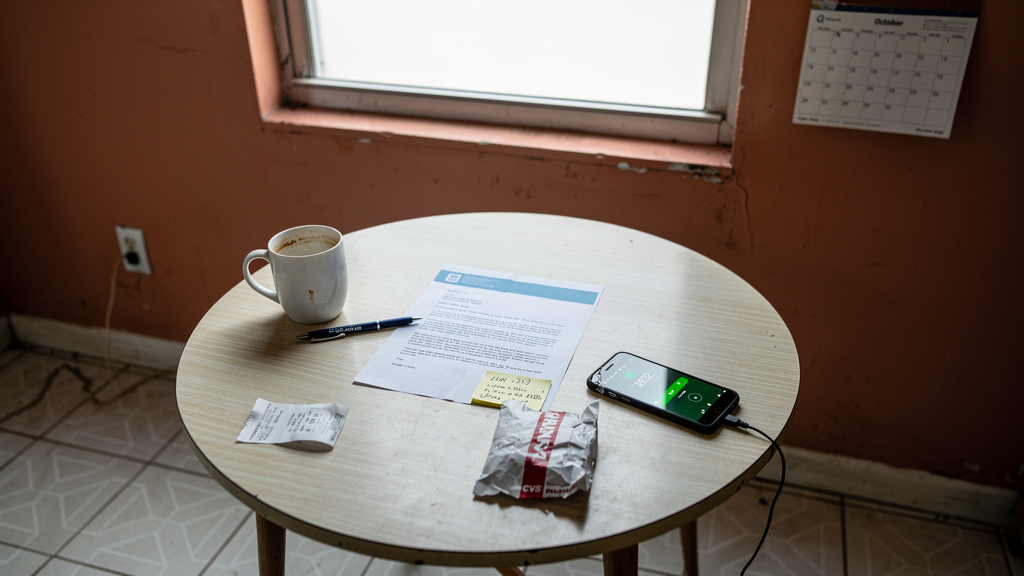
The person calling you works for the store’s insurer or the company that manages its claims, not for you. Their job is to close your file for as little money as possible. You are not required to give a recorded statement to the other side’s insurance company, and anything you say can be used to reduce or eliminate what you recover. The safest response is to say you are seeking medical care and will be in contact once you have spoken with an attorney.
Who exactly is calling me, and why are they being so friendly?
The caller is likely either the store’s liability insurer or the company that manages its claims. Some large chains are self-insured and handle claims through their own risk-management staff rather than an outside carrier. Either way, the caller’s professional goal is to resolve your claim for the lowest possible amount. The friendly tone, asking how you’re feeling, sounding concerned, may be a deliberate technique rather than goodwill. Calls often come soon after a fall, sometimes within days. If you live in Hialeah or Miami-Dade and primarily speak Spanish, you may receive the call in English only, which can make it hard to understand what’s really being asked. Wolfson & Leon can take these calls on your behalf in Spanish.
Do I have to give a recorded statement to the store’s insurance company?
As a general rule, you have no legal obligation to give a recorded statement to the other party’s insurance company. This is different from any obligation you might have under your own insurance policy, which does not apply here. Adjusters use recorded statements to lock you into a version of events before you know the full extent of your injuries. Later, they may highlight small inconsistencies to argue you’re not credible. The dynamic is the same whether the adjuster works for a car insurer or a supermarket chain. For more on this tactic, see our articles on recorded statements after a car crash and what to do after a hit-and-run.
What questions is the adjuster actually trying to get me to answer?
The adjuster is looking for answers that support a fault argument under Florida’s modified comparative negligence rule [Fla. Stat. § 768.81]. If a jury later finds you more than 50 percent at fault, you recover nothing. Common questions include: “Were you looking at your phone?” (suggesting distraction); “What kind of shoes were you wearing?” (implying your footwear caused the fall); and “Did you see the warning sign?” (arguing the hazard was open and obvious). Even the incident report the manager asked you to sign at the store could contain statements that hurt your case if you minimized your pain or admitted you weren’t paying attention.
They offered me a quick settlement and a form to sign, what am I actually giving up?
Early settlement offers arrive before you know the full cost of your injuries. Accepting one may mean you give up all future claims for pain and suffering, lost wages, or worsening conditions. The document you’re asked to sign is likely a release, which legally extinguishes your right to sue, even for injuries that show up weeks or months later. People sometimes sign a release believing it is only a receipt or a routine form. Separately, a broad medical authorization could let the insurer access your entire health history, not just records tied to this fall. Under Fla. Stat. § 456.057, your medical records are confidential and generally released only with your authorization, but signing a blanket form can allow release of records unrelated to your fall.
What can I actually say on the call, and when should I hand it to a lawyer?
Say this, and nothing more: “I am receiving medical care and will be in contact after I speak with an attorney.” That is a complete and appropriate response. Stop the call and transfer it to a lawyer immediately if: (1) the adjuster asks to record the conversation; (2) they mention or send any document for you to sign; or (3) they make any settlement offer. If the call came in English and you did not fully understand it, Wolfson & Leon can step in and communicate with the insurer in Spanish on your behalf.
How does the incident report and the evidence timeline affect my claim?
The incident report creates a contemporaneous record that a fall happened, which helps prove your claim, but it also locks in whatever you said at the scene, including any downplaying of injuries or admission of distraction. More critically, surveillance footage may be overwritten after a limited time, sometimes quickly, unless the store is asked in writing to preserve it. That video is often key to proving the store had actual or constructive knowledge of the hazard, as required by Fla. Stat. § 768.0755. Courts can look at circumstantial clues, such as a large puddle, a nearby leak, or an employee nearby, to decide whether the store should have known about the spill. A preservation-of-evidence letter from an attorney puts the store on notice to keep that footage.
Frequently asked questions
Can the store’s insurance company record the call without telling me?
Florida law generally requires the consent of everyone on a call before it is recorded, so an adjuster should tell you and ask before recording. Still, assume any call may be recorded, and you can always refuse to continue if you learn it is being recorded.
I already signed the incident report at the store. Did I hurt my case?
Not necessarily. Many people sign those reports while in shock or pain and write incomplete or inaccurate details. An attorney can help explain the context and focus on stronger evidence like video or witness statements.
How long do I have to file a lawsuit if the insurer’s offer does not cover my injuries?
For falls that happened on or after March 24, 2023, you have two years from the date of the incident to file a lawsuit under Florida’s statute of limitations [Fla. Stat. § 95.11].
The adjuster said signing the medical authorization is just routine. Why should I be concerned?
A broad authorization can give the insurer access to decades of medical records unrelated to your fall. They may use old notes to argue your injuries existed before the accident. You have the right under Fla. Stat. § 456.057 to limit what records are released.
What if the call came in English and I did not understand everything the adjuster said?
You are not obligated to respond until you fully understand what is being asked. Wolfson & Leon can contact the insurer on your behalf in Spanish and ensure nothing is agreed to under confusion.
Related reading: I fell in a store in Hialeah. Can I make a claim? · The 14-day PIP rule in Florida: what happens if you wait to see a doctor after a Hialeah car accident
Hurt in an accident in Hialeah? Call Wolfson & Leon at (305) 285-7071 for a free consultation. We speak Spanish, and there is no fee unless we win.
Key facts
- Florida's modified comparative negligence rule bars any recovery if you are found more than 50 percent at fault for your own fall. Source: Fla. Stat. § 768.81
- To win a slip-and-fall claim involving a spilled liquid or other transitory foreign substance, you must prove the business had actual or constructive knowledge of the hazard and failed to fix it. Source: Fla. Stat. § 768.0755
- A broad medical authorization signed for the store's insurer may give them access to your entire medical history, not just records from this injury. Source: Fla. Stat. § 456.057
- Store security footage may be overwritten after a limited time, so a written request to preserve it should go out quickly; that video is often key to showing the store knew or should have known of the hazard. Source: Fla. Stat. § 768.0755
- For negligence-based personal injury claims arising from incidents on or after March 24, 2023, the Florida statute of limitations is two years from the date of the fall. Source: Fla. Stat. § 95.11 as amended by HB 837
Frequently asked questions
Can the store's insurance company record the call without telling me?
Florida law generally requires the consent of everyone on a call before it is recorded, so an adjuster should tell you and ask before recording. For that reason, treat every call from the store's insurer or claims department as if it is being recorded, regardless of whether the adjuster asks permission. Limit what you say to confirming you are seeking medical care and will call back after consulting an attorney.
I already signed the incident report at the store. Did I hurt my case?
Not necessarily, but the content matters. The incident report the manager asks you to sign at the store creates an official, time-stamped record that the fall occurred, which is valuable. The problem arises if you wrote or said anything at the scene minimizing your injuries or suggesting you were distracted, because the store's adjuster will have that document before the first call. An attorney can review what the report says and advise you on how to address it.
How long do I have to file a lawsuit if the insurer's offer does not cover my injuries?
For falls that occurred on or after March 24, 2023, Florida law gives you two years from the date of the fall to file a personal injury lawsuit, reduced from the prior four-year period by HB 837. Missing that deadline almost certainly ends your right to any compensation. Because building a strong case, preserving video, gathering maintenance records, completing medical treatment, takes time, consult an attorney well before the deadline approaches.
The adjuster said signing the medical authorization is just routine. Why should I be concerned?
A broad medical authorization can give the store's insurer access to your entire medical history, not just the records from this fall. Under Fla. Stat. § 456.057, you have rights regarding who may access and receive your medical records. The insurer can use pre-existing conditions found in old records to argue your current injuries were not caused by the fall. Have an attorney review any authorization before you sign it, and ask for a version limited to records related to the body parts injured in this incident.
What if the call came in English and I did not understand everything the adjuster said?
Do not guess at what was asked or give an answer you are unsure about. It is acceptable to tell the caller you will call back, and to end the call there. Wolfson & Leon can communicate with the store's insurer or claims administrator on your behalf in Spanish, so you never have to navigate a consequential legal conversation in a language where a misunderstood phrase could affect your recovery.
This article is general information about Florida law, not legal advice, and reading it does not create an attorney-client relationship. Every case is different and past results do not guarantee a similar outcome. For advice about your situation, call Wolfson & Leon at (305) 285-7071 for a free consultation.
Also available in: Versión en español
 Slip and fall
 6 Supermarket Fall Myths That Can Cost Hialeah Shoppers Their Case
A wet-floor sign does not automatically kill your claim, an apology is not a legal admission, and the store's video may be gone within days if you…
 Slip and fall
 I Slipped at Someone Else's Store While Working, Can I Sue the Property Owner?
Yes. Workers' comp from your employer covers your medical bills and lost wages, but it does not protect the property owner where you were hurt. If…
 Slip and fall
 Slipped in a Florida Supermarket? You Can Sue If the Store Knew
Yes, you can sue a Florida supermarket if the store knew about the hazard or should have known about it and failed to clean it up or warn you.…