
How Long Do You Have to File a Misdiagnosis Malpractice Claim in Florida?
In Florida, you generally have two years from the date you knew or reasonably should have known that a misdiagnosis harmed you to file a medical malpractice lawsuit, under Fla. Stat. § 95.11. An absolute outer deadline, called a statute of repose, bars most claims more than four years after the negligent act, even if you discovered the error late. Because the mandatory 90-day presuit process must be completed before you can file, the real working deadline is shorter than it looks.
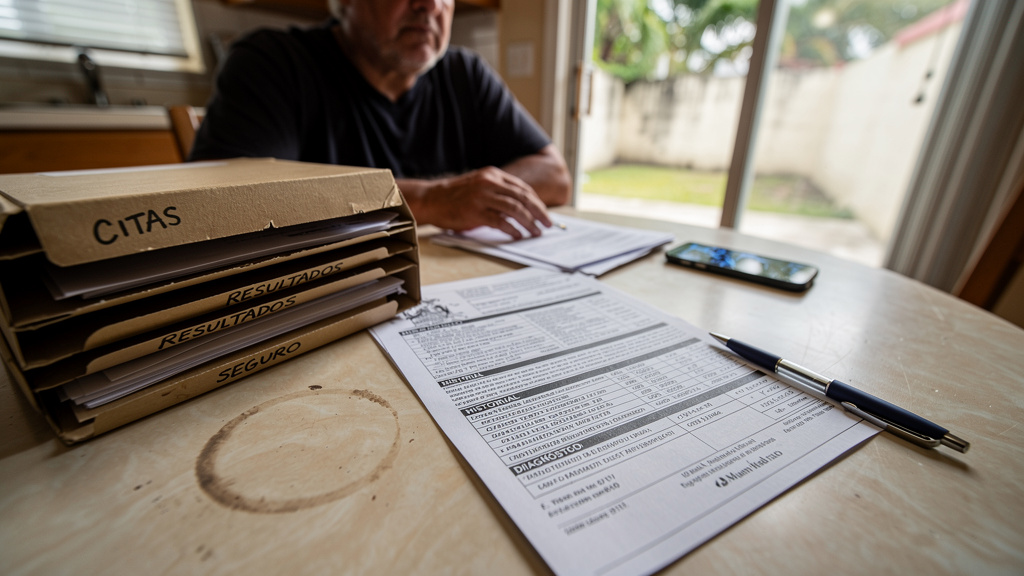
In Florida, you generally have two years from the date you knew or reasonably should have known that a misdiagnosis harmed you to file a medical malpractice lawsuit. This deadline comes from Fla. Stat. § 95.11. Even if you discover the error late, most claims cannot be filed more than four years after the negligent act, unless fraud or concealment is involved, in which case the outer limit stretches to seven years. Because Florida law requires a 90-day presuit investigation before any lawsuit can begin, your working window to act is shorter than it first appears.
When does the two-year clock actually start in a misdiagnosis case?
The two-year clock does not start on the day of the misdiagnosis itself. It starts when you knew or should have known with the exercise of due diligence that you were injured and that the injury might be tied to medical negligence. This is called the discovery rule and is codified in Fla. Stat. § 95.11. For example, if a doctor told you your symptoms were just acid reflux but you were later diagnosed with esophageal cancer, the clock may begin on the day of the correct diagnosis, not the original visit, because that is when the harm and its possible link to negligence became clear. Courts look at what a reasonable patient would have suspected, not just what you personally believed.
Why is the discovery rule a trap in misdiagnosis cases?
Misdiagnosis errors are hidden by nature. You often do not realize something went wrong until months or years later, after your condition worsens and another provider finds what was missed. By then, time has already run off the two-year clock. The danger is real: a court might decide a reasonable person should have questioned the original diagnosis sooner, even if you did not. That means your claim could be barred before you ever contact a lawyer. And remember, the four-year statute of repose generally applies no matter when you found out, with only narrow exceptions. Waiting even one year to seek legal help can leave too little time to gather records, consult an expert, and complete the mandatory 90-day presuit process before the deadline hits.
Is there an absolute deadline even if I never found out in time?
Yes. Under Fla. Stat. § 95.11, generally no medical malpractice claim, including misdiagnosis, can be filed more than four years after the negligent act, regardless of when you discovered it. This is a hard cutoff known as a statute of repose. However, if the provider committed fraud, concealment, or intentional misrepresentation that prevented you from discovering the error, the outer limit extends to seven years from the date of the negligent act. Whether a doctor’s actions meet that legal standard depends on the specific facts of your case and must be evaluated by an attorney. Do not assume every mistake qualifies, as a rule, only deliberate efforts to hide the truth trigger the longer window.
What if the misdiagnosis harmed a child?
If a child was misdiagnosed, the four- or seven-year repose periods do not bar a claim filed on or before the child’s eighth birthday, although the two-year discovery deadline can still apply. This special rule is part of the malpractice provisions of Fla. Stat. § 95.11, and Fla. Stat. § 95.051 pauses deadlines for minors only in limited situations. This rule can give families extra time to act when the patient is very young, but a lawyer should check the exact deadline. But do not wait until the last minute. The same presuit requirements apply: you still need an expert opinion, a Notice of Intent, and the full 90-day investigation period. Start early so you have enough time to complete all steps before the child turns eight.
How does the 90-day presuit period affect my deadline, and what happens at public hospitals like Jackson Memorial?
Before suing for medical malpractice in Florida, you must complete a presuit process under Fla. Stat. § 766.106. This includes getting a written expert opinion supporting your claim and mailing a Notice of Intent to each potential defendant. Once mailed, the two-year limitations clock pauses for 90 days while the defense investigates. After those 90 days, or if they reject your claim early, you have 60 days or whatever remains of your original deadline, whichever is longer, to file suit. You may also request one additional 90-day extension before the initial deadline expires.
Separately, if your misdiagnosis occurred at a government-run facility like Jackson Memorial Hospital, which is part of Miami-Dade County’s public health system, you may need to give written notice under Fla. Stat. § 768.28(6), the sovereign-immunity statute. This is different from the § 766.106 notice and has its own timing rules. Missing this notice can block your case entirely. Private hospitals near Hialeah, such as Hialeah Hospital and Palmetto General Hospital, are not subject to this extra step. Confirm the status of any facility with an attorney before proceeding.
What if the patient died from the misdiagnosis, does the deadline change?
When a misdiagnosis leads to death, the estate may pursue a wrongful death claim under Fla. Stat. § 768.20, brought by the personal representative on behalf of statutory survivors like spouses or minor children. The presuit requirements in § 766.106 still apply. However, the exact deadline and when it starts in a wrongful death case involving medical malpractice are complex and fact-specific. Do not assume the two-year clock runs the same way as in a living-patient case. An attorney must review the timeline based on when the death occurred, when negligence was or should have been discovered, and how the statutes interact.
Frequently asked questions
Does the 90-day presuit waiting period count against my two years?
No. Once you mail your Notice of Intent, the two-year limitations clock is paused for the full 90-day presuit investigation period under Fla. Stat. § 766.106(4).
What if I only just found out my original diagnosis was wrong, does my two years start now?
Possibly, but not automatically. The clock starts when you knew or reasonably should have known of both the injury and its possible link to negligence. A court may decide a reasonable person would have suspected the error earlier, even if you did not.
My child was misdiagnosed as an infant. Is the claim already time-barred?
Not necessarily. The usual four- or seven-year repose periods do not bar a claim filed on or before the child’s eighth birthday, though the two-year discovery deadline can still apply, so have a lawyer check the dates.
Does it matter that the misdiagnosis happened at Jackson Memorial versus Hialeah Hospital?
It might. Jackson Memorial is part of a public health system and may require separate notice under Fla. Stat. § 768.28(6). Hialeah Hospital is a private facility and follows only the standard presuit process under § 766.106. An attorney can confirm the proper procedure.
What if my doctor hid the misdiagnosis, is there more time?
If there was fraud, concealment, or intentional misrepresentation that prevented discovery, the absolute deadline may extend from four to seven years. Whether a doctor’s conduct meets that legal standard depends on the facts and must be reviewed by a lawyer.
Hurt in an accident in Hialeah? Call Wolfson & Leon at 305-965-3766 for a free consultation. We speak Spanish, and there is no fee unless we win.
Key facts
- The two-year limitations period runs from when the patient knew or reasonably should have known of the injury and its possible connection to negligence, not necessarily the date of the misdiagnosis itself. Source: Fla. Stat. § 95.11
- No misdiagnosis malpractice claim may be filed more than four years after the negligent act, regardless of when the patient discovered the error, unless fraud, concealment, or intentional misrepresentation applies, in which case the outer limit extends to seven years. Source: Fla. Stat. § 95.11
- Neither the four-year nor the seven-year repose period bars a claim brought on behalf of a child before the child's eighth birthday. Source: Fla. Stat. § 95.11
- Serving the Notice of Intent under the presuit process tolls, pauses, the statute of limitations for the duration of the 90-day investigation period, so the presuit window does not consume the two-year clock. Source: Fla. Stat. § 766.106(4)
- Claims against public hospitals or government-operated health systems may require written notice to the agency under the sovereign-immunity statute, which imposes its own timing obligation separate from the malpractice deadline. Source: Fla. Stat. § 768.28(6)
Frequently asked questions
Does the 90-day presuit waiting period count against my two years?
No. Under Fla. Stat. § 766.106(4), the statute of limitations is paused, tolled, from the date you mail the Notice of Intent through the end of the 90-day investigation period. You do not lose that time from your two-year clock. However, the presuit process still takes real calendar time: gathering records, retaining a qualified expert, and preparing the notice package can take weeks or months before the 90-day period even begins, so the effective runway is much shorter than two years.
What if I only just found out my original diagnosis was wrong, does my two years start now?
Possibly, but not automatically. Florida's discovery rule under Fla. Stat. § 95.11 starts the two-year clock when you knew or reasonably should have known of the injury and a possible connection to negligence, and a court may decide that a reasonable patient should have investigated earlier than you actually did. More importantly, even if your two-year window is still open, the absolute four-year repose period runs from the date of the original negligent act regardless of discovery, so if more than four years have passed since the misdiagnosis, the claim may already be barred. Consult an attorney immediately to evaluate both dates.
My child was misdiagnosed as an infant. Is the claim already time-barred?
Not necessarily. Under Fla. Stat. § 95.11, neither the four-year nor the seven-year repose period bars a claim brought on a child's behalf on or before the child's eighth birthday. This means that even if several years have passed since the original error, the repose period alone may not bar the claim, although the two-year discovery deadline can still apply and § 95.051 pauses deadlines for minors only in limited situations. The presuit investigation and notice requirements under Fla. Stat. § 766.106 still apply, so parents should consult an attorney well before the birthday deadline to allow time to gather records and retain an expert.
Does it matter that the misdiagnosis happened at Jackson Memorial versus Hialeah Hospital?
It may matter significantly. Jackson Memorial Hospital is part of a public health system in Miami-Dade County, and claims against government entities in Florida may require written notice to the agency under Fla. Stat. § 768.28(6), a separate obligation on top of the standard § 766.106 presuit notice. Whether Jackson Memorial or another facility qualifies as a government entity subject to those rules depends on how it is legally organized and must be confirmed with an attorney for your specific case. Hialeah Hospital and Palmetto General Hospital are private facilities and follow only the standard § 766.106 presuit process.
What if my doctor hid the misdiagnosis, is there more time?
Potentially. Under Fla. Stat. § 95.11, if fraud, concealment, or intentional misrepresentation by the provider prevented you from discovering the error, the absolute outer deadline extends from four years to seven years from the date of the negligent act. Whether a provider's specific conduct qualifies as fraud or concealment under the statute is a legal determination that depends entirely on the facts of the case and must be evaluated by a Florida medical malpractice attorney, it is not enough that the doctor failed to volunteer the information or made an honest mistake.
This article is general information about Florida law, not legal advice, and reading it does not create an attorney-client relationship. Every case is different and past results do not guarantee a similar outcome. For advice about your situation, call Wolfson & Leon at 305-965-3766 for a free consultation.
Also available in: Versión en español
 Medical malpractice
Does a Different Second Opinion Mean You Can Sue for Misdiagnosis in Florida?
A different second opinion is not enough by itself to win a misdiagnosis case in Florida. You must also show that the first doctor's diagnostic…
 Medical malpractice
My Cancer Was Found Late: Can I Sue the Doctor Who Missed It?
Yes, you may have a medical malpractice claim if a doctor's failure to follow up on abnormal results, order appropriate tests, or refer you to a…
 Medical malpractice
The ER Sent Me Home and It Was a Stroke: Do I Have a Case?
If an emergency room discharged you while you were actually having a stroke, heart attack, sepsis, or another life-threatening condition, you may…