
The ER Sent Me Home and It Was a Stroke: Do I Have a Case?
If an emergency room discharged you while you were actually having a stroke, heart attack, sepsis, or another life-threatening condition, you may have a medical malpractice claim in Florida, but only if the care fell below the accepted medical standard and the delay made your outcome measurably worse. The case is built almost entirely from the records the ER already created: triage times, vital signs, which tests were ordered and which were skipped, and what the discharge papers said. Time matters immediately, because Florida's mandatory pre-suit process must begin before any lawsuit can be filed.
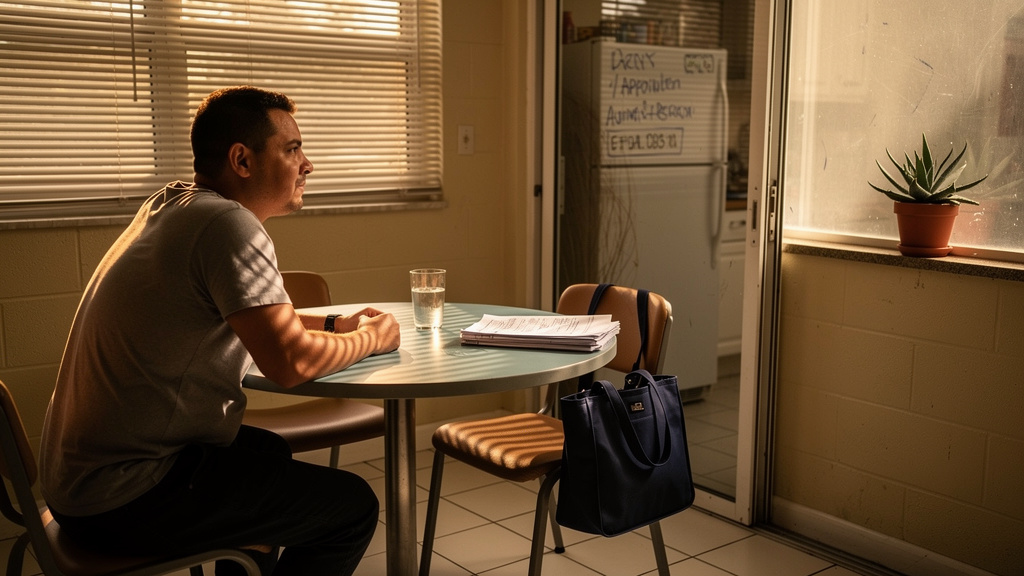
If an emergency room sent you home while you were actually having a stroke, heart attack, sepsis, or another life-threatening condition, you may have a medical malpractice claim in Florida. But only if the care fell below the accepted medical standard and the delay made your outcome measurably worse. The case rests almost entirely on the records the ER already created: triage times, vital signs, which tests were ordered or skipped, and what the discharge papers said. Time matters immediately because Florida law requires a 90-day pre-suit investigation before any lawsuit can be filed.
What is an ER legally required to do when I walk in with chest pain or stroke symptoms?
Florida law defines an “emergency medical condition” as one with acute symptoms so severe that without immediate medical attention, the patient’s health could be placed in serious jeopardy or a bodily function could be seriously impaired [Fla. Stat. § 395.002(8)]. Licensed hospitals in Florida must evaluate and stabilize such conditions. Federal law also imposes emergency screening and stabilization duties on many hospitals, depending on the facility. In Hialeah and nearby Miami, residents typically use Hialeah Hospital, Palmetto General Hospital, or Jackson Memorial Hospital. Note that Jackson Memorial is part of the public Jackson Health System. Claims against it may involve special notice rules under [Fla. Stat. § 768.28(6)], so consult an attorney promptly if your case involves Jackson. Freestanding ERs, which operate away from main hospital campuses, may raise separate liability questions.
Which conditions do ERs miss most often, and why does it happen?
Strokes are frequently missed because symptoms like dizziness, slurred speech, or facial droop get blamed on migraine, vertigo, or anxiety. Every hour lost after symptom onset reduces the chance for effective tPA (within 4.5 hours) or thrombectomy (up to 24 hours). Heart attacks are misdiagnosed when atypical presentations in women, elderly patients, or diabetics are dismissed as reflux or muscle pain. A single normal troponin does not rule out heart attack; serial testing is standard. Sepsis gets overlooked when abnormal vitals aren’t recognized as red flags. Appendicitis is missed without CT imaging, especially in women with right-sided abdominal pain. Pulmonary embolisms are wrongly chalked up to anxiety when risk tools and imaging should have been used. Studies of malpractice claims have found that missed or delayed diagnoses are among the most common problems in ER claims.
What records exist and what do they show about whether the ER did its job?
You have the right under [Fla. Stat. § 456.057] to obtain all your medical records. Key documents include: triage notes (showing your first-reported symptoms and initial vitals), physician and nursing notes (revealing what conditions were considered or ruled out), EKG printouts with timestamps (to see if ischemic changes were missed), lab results like serial troponins (critical for heart attack cases), imaging reports (or lack thereof for suspected stroke), and discharge paperwork (which may downplay warning signs). For stroke cases, a follow-up MRI showing infarct size and location is crucial. Request these records in writing from the hospital’s medical records department immediately. Also save your own discharge instructions and write down a detailed timeline of symptoms, conversations, and worsening signs while your memory is fresh. Preserve wearable device data if it shows irregular heart rhythms during that period.
Who can be held responsible, the doctor, the hospital, or someone else?
Liability in ER cases often involves multiple parties. The emergency physician, PA, or APRN who discharged you is usually a potential defendant. But at many Florida hospitals, ER doctors work for independent staffing companies, not the hospital itself. Whether the hospital can be held accountable depends on the specific employment and contracting structure, which varies by facility. The hospital itself may also be liable for systemic failures like missing stroke protocols, no telestroke access, or chronic understaffing. Consulting specialists, such as a radiologist who misread a scan or a telestroke neurologist who cleared you, can share fault. If your case involves Jackson Memorial, remember that [Fla. Stat. § 768.28(6)] imposes written notice requirements for claims against government entities. Florida uses comparative fault, so identifying every responsible party matters.
How do you prove the delay actually made things worse, not just that a diagnosis was missed?
A missed diagnosis alone is not enough. You must show the delay more likely than not caused additional harm. For stroke: if the ER kept you past the tPA window (4.5 hours) or thrombectomy window (6, 24 hours), that lost opportunity is the causation link. For heart attack: each minute of delay in reperfusion causes more heart muscle death, experts measure this through ejection fraction loss or larger infarct size. In sepsis, every hour without antibiotics raises mortality risk. Under [Fla. Stat. § 766.102], you must prove the care fell below what a reasonably prudent emergency physician would have done. Before any lawsuit can be filed, Florida also requires a corroborating written opinion from a qualified medical expert, usually in the same specialty [Fla. Stat. § 766.203]. A cardiologist or neurologist typically provides a separate opinion on whether timely treatment would have changed the outcome.
What should I do right now if I think the ER missed my stroke or heart attack?
- Request your full ER medical records immediately under [Fla. Stat. § 456.057]. Include triage notes, EKG strips, labs, imaging, and discharge paperwork. Also get records from any later hospitalization where the correct diagnosis was made.
- Write a personal timeline today: when symptoms started, exactly what you told staff, what you were told at discharge, when symptoms worsened, and when the true diagnosis emerged. Save texts, call logs, and wearable health data.
- Do not assume you have two years. The statute of limitations is generally two years from when the injury was or should have been discovered (often around the time of the correct diagnosis, but not always), with a four-year outer limit and some exceptions, and the mandatory 90-day pre-suit period must run before you can sue. For Jackson Memorial or other public hospitals, [Fla. Stat. § 768.28(6)] may require additional written notice. Act quickly.
- Contact a Florida medical malpractice attorney. The pre-suit process requires a corroborating medical expert opinion under [Fla. Stat. § 766.203]; attorneys manage this. Do not assume no lawyer will review your case unless you are permanently disabled; whether a case is viable depends on the facts.
- Keep attending all medical appointments. Ongoing treatment, rehab, and specialist visits document your damages and recovery path.
Frequently asked questions
The ER gave me a normal EKG and said it wasn’t my heart. Can I still have a malpractice case?
Yes. A single normal EKG does not rule out a heart attack, especially early on. Standard care often requires repeat EKGs and serial troponin blood tests over several hours. If those weren’t done despite ongoing symptoms, that may fall below the standard of care.
My doctor said the stroke or heart attack happened after I left the ER, not while I was there. Does that end my case?
Not necessarily. The key is whether your symptoms while in the ER met criteria for an emergency condition requiring further workup. If objective signs were present but ignored, the failure to diagnose may still be actionable even if the full event occurred later.
I was treated at a freestanding ER in Hialeah, not a hospital. Does that change my rights?
Freestanding ERs may be organized differently from hospital ERs but must still properly evaluate emergency conditions. However, their staffing, protocols, and insurance coverage may differ. Your legal rights remain, but the defendants and evidence trail could be structured differently.
How do I get my ER records if the hospital is making it difficult?
Under [Fla. Stat. § 456.057], you have a legal right to your records. Submit a written request to the hospital’s medical records department. If they delay or deny, an attorney can issue a formal demand or subpoena. Do not wait, records can be purged or altered over time.
Does it matter that I went to Jackson Memorial, which is a public hospital?
It may. Jackson Memorial is part of a county public health system. Claims against government entities may require written notice to the agency under [Fla. Stat. § 768.28(6)] before suing. These procedural rules don’t eliminate your claim, but they add steps. Consult an attorney immediately if Jackson was involved.
Hurt in an accident in Hialeah? Call Wolfson & Leon at 305-965-3766 for a free consultation. We speak Spanish, and there is no fee unless we win.
Key facts
- Florida defines 'emergency medical condition' to include conditions with acute symptoms severe enough that the absence of immediate medical attention could reasonably result in placing the patient's health in serious jeopardy. Source: Fla. Stat. § 395.002(8)
- Before a Florida medical malpractice lawsuit can be filed, the claimant must complete a presuit investigation backed by a corroborating written opinion from a qualified medical expert. Source: Fla. Stat. § 766.203
- Patients and their authorized representatives have the right to obtain copies of their medical records, including ER charts, triage notes, imaging results, and discharge summaries. Source: Fla. Stat. § 456.057
- Before suing for medical malpractice, a claimant must serve a notice of intent, and a 90-day presuit investigation period follows during which the limitations period is paused. Source: Fla. Stat. § 766.106
- Claims against government entities, such as a public hospital system, generally require written notice to the agency before a lawsuit is filed. Source: Fla. Stat. § 768.28(6)
Frequently asked questions
The ER gave me a normal EKG and said it wasn't my heart. Can I still have a malpractice case?
Yes, potentially. A single normal EKG does not rule out an evolving heart attack, standard practice requires serial troponin tests drawn hours apart and, in many cases, repeat EKGs. If the ER drew only one troponin, skipped serial testing, or discharged you while you were still reporting symptoms, those gaps in the workup are exactly what a malpractice expert reviews. The question is whether a reasonably prudent ER physician would have done more given your specific symptoms and risk factors, and whether the failure to do more changed your outcome.
My doctor said the stroke or heart attack happened after I left the ER, not while I was there. Does that end my case?
Not necessarily. Many ER misdiagnosis claims involve patients who were discharged while a condition was evolving and who suffered the full event hours or days later. The legal question is whether the ER had enough warning signs at the time of the visit that a reasonably careful provider should have kept the patient, ordered more tests, or admitted them, and whether acting on those signs would have prevented or reduced the harm.
I was treated at a freestanding ER in Hialeah, not a hospital. Does that change my rights?
Freestanding ERs operate away from the main hospital campus, and the liability structure can differ, for example, the physician group, the facility owner, and any parent hospital system may each be separate defendants. The standard of care analysis and the presuit requirement of a corroborating medical expert opinion under Fla. Stat. § 766.203 apply the same way. If you were treated at a freestanding ER affiliated with a hospital system, an attorney needs to determine who owned and operated it and whether any hospital-based duties extend to that facility.
How do I get my ER records if the hospital is making it difficult?
Florida law gives you the right to copies of your own medical records under Fla. Stat. § 456.057. Submit a written request to the hospital's medical records or health information management department, specifically asking for the complete ER record including triage notes, physician and nursing notes, EKG strips, all lab results, imaging reports and images, and the discharge summary. If you are pursuing a claim, your attorney can also issue a formal request and, if necessary, a subpoena. Do not rely on the patient portal alone, portal records are often incomplete.
Does it matter that I went to Jackson Memorial, which is a public hospital?
It may matter significantly. Jackson Memorial Hospital is part of the public Jackson Health System, and claims against government entities in Florida may be subject to Fla. Stat. § 768.28(6), which requires written notice to the agency before suing, along with other special rules that do not apply to private hospitals. Whether and exactly how these rules apply to a specific claim against Jackson Memorial requires attorney review, do not assume your rights are the same as they would be against a private hospital, and do not wait to find out.
This article is general information about Florida law, not legal advice, and reading it does not create an attorney-client relationship. Every case is different and past results do not guarantee a similar outcome. For advice about your situation, call Wolfson & Leon at 305-965-3766 for a free consultation.
Also available in: Versión en español
 Medical malpractice
Does a Different Second Opinion Mean You Can Sue for Misdiagnosis in Florida?
A different second opinion is not enough by itself to win a misdiagnosis case in Florida. You must also show that the first doctor's diagnostic…
 Medical malpractice
My Cancer Was Found Late: Can I Sue the Doctor Who Missed It?
Yes, you may have a medical malpractice claim if a doctor's failure to follow up on abnormal results, order appropriate tests, or refer you to a…
 Medical malpractice
How Long Do You Have to File a Misdiagnosis Malpractice Claim in Florida?
In Florida, you generally have two years from the date you knew or reasonably should have known that a misdiagnosis harmed you to file a medical…