
My Cancer Was Found Late: Can I Sue the Doctor Who Missed It?
Yes, you may have a medical malpractice claim if a doctor's failure to follow up on abnormal results, order appropriate tests, or refer you to a specialist fell below the standard of care and, critically, if that delay more likely than not changed your outcome. Florida law does not allow you to win simply by showing the delay reduced your odds; you must show the delay probably caused your harm. A Hialeah medical malpractice attorney can review your records and connect you with the oncology experts needed to answer that question for your specific cancer and stage.
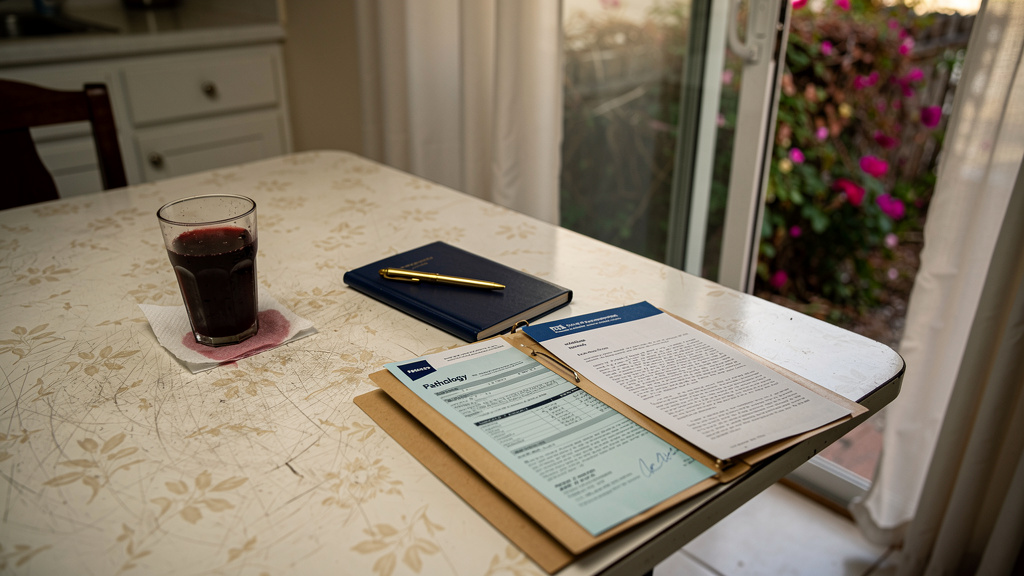
My cancer was found late because my doctor missed it earlier, can I sue? Yes, you may have a medical malpractice claim if the doctor’s failure to follow up on abnormal results, order proper tests, or refer you to a specialist fell below the standard of care and that delay more likely than not changed your outcome. Florida law does not let you win just because the delay reduced your odds; you must show the delay probably caused your harm. A Hialeah medical malpractice attorney can review your records and connect you with oncology experts to answer that question for your specific cancer and stage.
What signs do doctors commonly miss that lead to a late cancer diagnosis?
Some patients learn that their cancer was found at a later stage than it should have been. If this sounds familiar, your situation may warrant a legal evaluation. Common failure points include: (1) Abnormal lab or imaging results, like an elevated PSA, suspicious mammogram, or strange blood work, that were never communicated to you or followed up by the ordering doctor; (2) Radiologists misreading scans and missing a mass, nodule, or lesion a competent peer in the same specialty would have flagged; (3) Referrals to oncology or a specialist that were recommended but never actually placed, or placed but never confirmed as completed; and (4) Symptoms you reported, persistent cough, unexplained weight loss, bleeding, that were dismissed without a proper diagnostic workup. These patterns are red flags worth reviewing with a lawyer, but they are not automatic proof of malpractice. Only a careful review of your records against accepted medical guidelines can determine that.
What does ‘breach of the standard of care’ actually mean in a cancer case?
Florida law defines the standard under [Fla. Stat. § 766.102(1)]: a doctor is judged by what a reasonably competent physician in the same specialty would have done under similar circumstances, not by perfection, not by the best specialist in Miami. Breach examples include: a primary care doctor ignoring rectal bleeding in a patient over 45 without ordering a colonoscopy referral per screening guidelines; a radiologist reading a chest CT and failing to note a lung nodule that should have triggered follow-up; or an internist receiving an abnormal PSA result and taking no action or notifying the patient. In contrast, a defensible judgment call might involve a rare cancer with atypical symptoms that even skilled doctors could miss initially. Crucially, proving breach requires a qualified expert in the same field to confirm the doctor’s actions fell short. Your attorney arranges for that expert review as part of the pre-suit process.
Why is proving the delay changed your outcome the hardest part of the case?
Many patients with a late diagnosis fear the delay may cost them their life and wonder whether they have any legal option. In Florida, that question runs headlong into a strict legal rule. Florida courts have generally rejected the “loss of chance” doctrine. That means you generally cannot recover damages just because the delay lowered your survival odds. You must prove the delay more likely than not caused your harm, for example, that catching the cancer earlier would probably have led to curative surgery instead of only palliative chemotherapy. Practically, this requires an oncology expert who reviews your staging records and testifies that at the earlier point, your cancer was likely localized and treatable, whereas after the delay, it had spread beyond effective control. The survival outlook at Stage I is significantly higher than at Stage III or IV for many cancers, but exact conclusions depend on your type and pathology. This causation opinion is separate from, yet linked to, the breach opinion and forms the backbone of your case.
What records and expert opinions do you need to build the case?
Before filing suit, Florida law (Fla. Stat. § 766.203) requires a verified expert affidavit stating exactly how the doctor breached the standard of care and how that breach caused harm. Your attorney will gather key records: all imaging studies and radiology reports from the time the cancer should have been caught; lab results with any flagged abnormalities; office notes, referral logs, and patient portal messages; and staging documents like biopsy reports, pathology slides, and operative notes from both the missed period and final diagnosis. In Miami-Dade, second opinions often come from Sylvester Comprehensive Cancer Center at the University of Miami or Baptist Health’s oncology programs, their records can strengthen causation proof. Critically, a vague or hedged affidavit, one that says “possibly” or “might have”, will be attacked by the defense and may get your case dismissed before trial. An attorney should review the expert opinion carefully before the Notice of Intent is served.
How long do you have to file, and when does the clock start?
Under Fla. Stat. § 95.11, the statute of limitations for medical malpractice, generally two years, starts when you knew or reasonably should have known that a misdiagnosis caused harm, not necessarily the date of the original visit. An outer time limit (statute of repose) may apply regardless of discovery, and a longer window could exist if the provider concealed the error. Importantly, the mandatory 90-day pre-suit screening period pauses (“tolls”) the deadline, but starting pre-suit takes time: records must be collected, an expert secured, and the notice drafted. Waiting until weeks before a deadline often makes proper filing impossible. For Hialeah families, the firm offers Spanish-language consultations and can meet you at home or bedside so language or mobility issues don’t delay your review.
What if the patient has already died from the cancer that was missed?
When a delayed diagnosis leads to death, surviving family members may pursue a wrongful death claim through the estate’s personal representative. However, Fla. Stat. § 768.21(8) has restricted who may recover certain non-economic damages, like loss of companionship, in medical malpractice death cases, unlike other wrongful death claims. Often called Florida’s “Free Kill” law, this area of law has been changing, so a lawyer must check the current law for your family. Families should not assume they have no rights based on relationship alone. The personal representative files the claim, and an attorney can help the family appoint one if needed. Economic damages, such as medical debt and lost future income, follow different rules and remain recoverable in many situations. The firm meets grieving families at home or care facilities to begin the pre-suit process with dignity.
Frequently asked questions
Does a negative biopsy or test result mean nothing was missed?
Not necessarily. Early cancers can be hard to detect, but if symptoms persisted or other tests were abnormal, a reasonable doctor might have ordered repeat testing or different imaging. A single negative result does not automatically excuse a failure to investigate further.
Do I have to prove my doctor was dishonest or intentionally ignored my cancer?
No. Medical malpractice is about negligence, not intent. You only need to show the doctor’s actions fell below what a reasonably competent peer in the same specialty would have done, not that they acted with malice or deception.
My cancer was already advancing before the doctor saw me. Does that mean I have no case?
Not always. The key question is whether the doctor’s delay made your outcome worse than it likely would have been with timely action. If earlier intervention more likely than not would have changed your outcome, a claim may exist.
How do I get a second opinion in Miami-Dade, and does it help my case?
Major centers like Sylvester (University of Miami) and Baptist Health offer second opinions. While not required for a lawsuit, those records can support your claim by showing what should have been done earlier and how your cancer progressed during the delay.
Can a family member start the legal process if the cancer patient is too ill to handle it themselves?
Yes. A legally authorized representative, such as someone with durable power of attorney for healthcare or finances, can initiate the pre-suit process. If no such authority exists, an attorney can help petition the court to appoint a representative.
Hurt in an accident in Hialeah? Call Wolfson & Leon at 305-965-3766 for a free consultation. We speak Spanish, and there is no fee unless we win.
Key facts
- A Florida doctor is measured against what a reasonably competent physician in the same specialty would have done under similar circumstances, not perfection. Source: Fla. Stat. § 766.102(1)
- Before filing a lawsuit, the patient must serve a Notice of Intent to Initiate Litigation and allow a mandatory 90-day pre-suit screening period; a verified expert affidavit supporting negligence must accompany that notice. Source: Fla. Stat. § 766.106; Fla. Stat. § 766.203
- Florida courts have generally rejected the 'loss of chance' doctrine, meaning a plaintiff generally cannot recover simply because the delay reduced survival odds, the delay must more likely than not have caused the harm. Source: Fla. Stat. § 766.102
- The statute of limitations clock in a Florida medical malpractice case starts when the patient knew or reasonably should have known that the misdiagnosis caused harm, subject to an outer limit, consult an attorney immediately to determine which deadline controls your case. Source: Fla. Stat. § 95.11
- When a delayed-diagnosis patient has died, Florida's wrongful death statute has contained restrictions on who may recover certain non-economic damages in medical malpractice cases; this law has been changing, so a lawyer must check the current law. Source: Fla. Stat. § 768.21
Frequently asked questions
Does a negative biopsy or test result mean nothing was missed?
Not necessarily. Malpractice can occur in how a biopsy was ordered, where the sample was taken, how the pathology was read, or whether a negative result was appropriately followed up given the clinical picture. Do not assume that a negative biopsy means nothing was missed; independent expert review of the actual slides, the imaging, and the clinical context is the only way to know. An attorney who handles cancer malpractice cases can arrange that review.
Do I have to prove my doctor was dishonest or intentionally ignored my cancer?
No. Florida medical malpractice does not require proof of malice or intentional wrongdoing. The standard is professional negligence, whether the doctor's diagnostic process fell below what a reasonably competent physician in the same specialty would have done. A doctor can be a careful, well-meaning person and still breach the standard of care by not following up on an abnormal result.
My cancer was already advancing before the doctor saw me. Does that mean I have no case?
It depends on where the staging was at the time of the missed diagnosis versus where it was when finally caught. Florida requires proof that the delay more likely than not changed your outcome, not just that it reduced your odds. If a qualified oncologist can testify that earlier detection would have kept the cancer at a treatable stage and meaningfully improved your prognosis, you may still have a claim. Cases where the cancer was already in a late stage before the negligent visit are harder to bring in Florida, and that is exactly the analysis an attorney and medical expert must do before pre-suit begins.
How do I get a second opinion in Miami-Dade, and does it help my case?
Second opinions for Hialeah and Miami-Dade patients are typically available at Sylvester Comprehensive Cancer Center at the University of Miami or at Baptist Health cancer programs. A second opinion from a treating oncologist establishes what stage the cancer is now, which, compared against earlier records, can demonstrate how far the disease progressed during the period of missed diagnosis. Those records become part of the evidence your attorney uses to support the causation expert's opinion. Spanish-language consultations are available at the firm if you need help understanding your options before or after that appointment.
Can a family member start the legal process if the cancer patient is too ill to handle it themselves?
Yes. A family member can contact the law firm, authorize medical records with the patient's written consent, and participate in consultations. If the patient is incapacitated, Florida law has provisions for legal representatives to act on their behalf. If the patient has already died, the personal representative of the estate is the proper party to bring a wrongful death claim, an attorney can help the family understand that process and, if necessary, assist with establishing the representative. The firm can meet at home or at a hospital or hospice facility.
This article is general information about Florida law, not legal advice, and reading it does not create an attorney-client relationship. Every case is different and past results do not guarantee a similar outcome. For advice about your situation, call Wolfson & Leon at 305-965-3766 for a free consultation.
Also available in: Versión en español
 Medical malpractice
Does a Different Second Opinion Mean You Can Sue for Misdiagnosis in Florida?
A different second opinion is not enough by itself to win a misdiagnosis case in Florida. You must also show that the first doctor's diagnostic…
 Medical malpractice
The ER Sent Me Home and It Was a Stroke: Do I Have a Case?
If an emergency room discharged you while you were actually having a stroke, heart attack, sepsis, or another life-threatening condition, you may…
 Medical malpractice
How Long Do You Have to File a Misdiagnosis Malpractice Claim in Florida?
In Florida, you generally have two years from the date you knew or reasonably should have known that a misdiagnosis harmed you to file a medical…