
My Doctor Misdiagnosed Me in Florida, Do I Have a Case?
You may have a case, but only if two things are true: the misdiagnosis fell below the standard of care a reasonably competent doctor in the same specialty would have met, and it caused you measurable harm you would not otherwise have suffered. A wrong diagnosis alone is not enough, Florida law requires both a breach of the medical standard of care and a worse outcome that resulted from it.
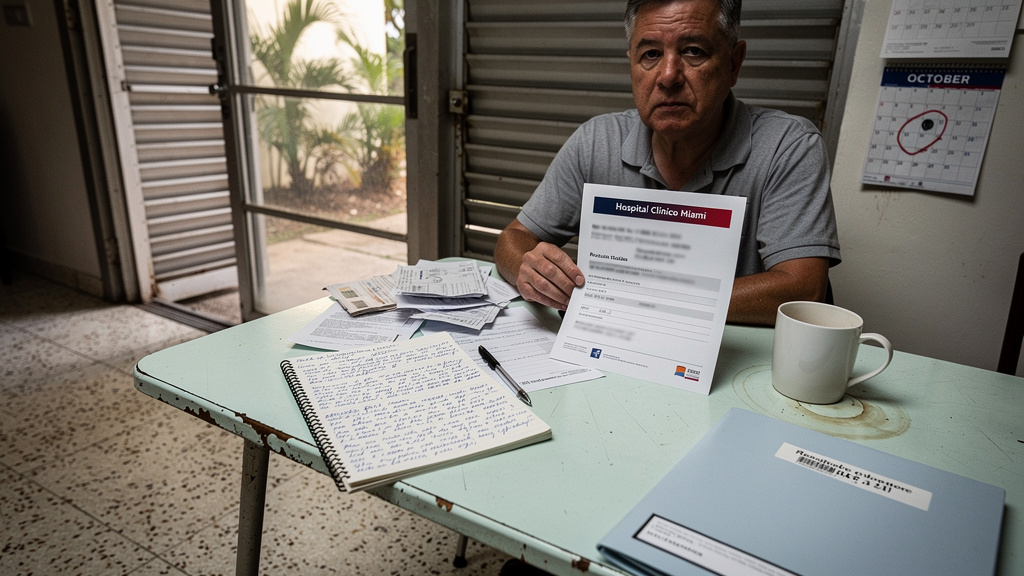
You may have a case, but only if two things are true: the misdiagnosis fell below the standard of care a reasonably competent doctor in the same specialty would have met, and it caused you measurable harm you would not otherwise have suffered. A wrong diagnosis alone is not enough, Florida law requires both a breach of the medical standard of care and a worse outcome that resulted from it.
What does Florida law actually require for a misdiagnosis case to hold up?
Florida law says a misdiagnosis becomes grounds for a lawsuit only when it violates the standard of care defined in Fla. Stat. § 766.102(1). In short, that standard is the level of care, skill, and treatment that, in light of all relevant surrounding circumstances, similar health care providers acting reasonably would recognize as acceptable and appropriate. This means your doctor is not judged against perfection, but against what another doctor with the same training would do in the same situation. Medicine involves judgment calls, and bad outcomes happen even with good care. The key question is whether the error was one a careful peer would not have made. This rule applies equally whether you were seen in the ER at Hialeah Hospital, Palmetto General, Jackson Memorial, or at a neighborhood clinic along West 49th Street or Palm Avenue.
What are the four elements I have to prove?
To have a valid claim, you must prove all four of these elements:
- Duty, You had a doctor-patient relationship, which created a legal obligation for the provider to meet professional standards.
- Breach, The provider’s actions fell below that standard. Examples include failing to order a basic blood test for anemia, misreading a chest X-ray that showed pneumonia, dismissing severe abdominal pain without investigation, or not referring you to a specialist despite red-flag symptoms.
- Causation, The misdiagnosis itself caused new or worsened harm. For example, being wrongly told you had acid reflux when you actually had a heart condition led to a preventable heart attack.
- Damages, You suffered real, measurable losses such as extra surgeries, prolonged hospitalization, lost wages, or permanent disability directly tied to the delay or error.
If any one of these is missing, there is no case under Florida law.
Is there a difference between a misdiagnosis, a delayed diagnosis, and a failure to diagnose?
Yes, and each affects how you prove causation.
Misdiagnosis: You were given a wrong condition (e.g., told you had migraines when you were having mini-strokes). Harm comes from unnecessary treatment or missed intervention for the real problem.
Delayed diagnosis: The correct condition (like colon cancer) was eventually found, but too late. Here, you must show that earlier diagnosis would more likely than not have led to a better outcome, for instance, surgery at stage 1 instead of chemotherapy at stage 3.
Failure to diagnose: The condition was never identified at all (e.g., persistent chest pain dismissed at a neighborhood clinic without an EKG, leading to a fatal event).
In all three, expert testimony is almost always required to explain what should have happened and how timing affected your prognosis.
What counts as ‘harm’, does worry or anxiety qualify?
Worry or anxiety alone does not count as legal harm under Florida law. To recover damages, you must show actual physical or financial consequences caused by the misdiagnosis, such as requiring additional surgery, needing stronger medications with side effects, missing months of work during a longer recovery, or suffering permanent loss of function. Soft-tissue injuries, advanced cancer, untreated infections, and worsened chronic conditions can all qualify as real harm. Once that physical harm is established, you may also be able to recover non-economic damages for pain, suffering, and emotional distress tied to the worsened condition. No specific amount can ever be guaranteed, and a lawyer should review how current law applies to your damages.
Why do I need a medical expert before anyone even files paperwork?
Florida requires a written opinion from a qualified medical expert before you can even start a lawsuit. Under Fla. Stat. § 766.203, that expert must be a qualified medical expert, generally in the same or a similar specialty as the defendant doctor, and must state there are “reasonable grounds” to believe negligence occurred. Only then can your attorney send a formal notice of intent to each potential defendant under Fla. Stat. § 766.106. After that notice, the defense gets 90 days to investigate, and you cannot file suit until that period ends. Critically, this entire pre-suit process can take months. Because the statute of limitations is only two years, waiting too long to consult a lawyer can leave you with no time to complete these steps, even if your case is strong.
How long do I have to file, and what is the real deadline for Hialeah patients?
You generally have two years from the date you knew or reasonably should have known that your injury was linked to malpractice, per Fla. Stat. § 95.11. This is not always the date of the appointment, sometimes signs appear months later. There is also an outer time limit, generally four years from the date of the incident, with limited exceptions. Do not assume you have the full two years; verify the exact deadline with counsel. Also, if your treatment was at a publicly operated hospital such as Jackson Memorial, special rules under Fla. Stat. § 768.28 may apply, including written notice to the agency before suing. The 90-day pre-suit period pauses the clock, but planning must begin early. Do not wait.
Frequently asked questions
Does it matter that my doctor said the diagnosis was just difficult to make?
Yes, but not in your favor automatically. Complexity is part of the standard-of-care analysis. If other reasonable doctors in the same field would have ordered different tests or referred you sooner, the difficulty does not excuse the error.
I’m not sure exactly when the misdiagnosis happened, does that affect my deadline?
The clock starts when you knew or should have known the harm was due to possible malpractice, not necessarily when the appointment occurred. But uncertainty does not extend the deadline, it makes timely legal review more urgent.
Can I have a case if my condition got worse but I eventually recovered?
Yes, if the worsening caused extra medical costs, lost income, or temporary disability you would not have suffered with a correct or timely diagnosis. Full recovery does not erase the added harm from the delay.
What if the misdiagnosis happened at an ER, not my regular doctor’s office?
The same standard applies. Emergency room doctors are held to the standard of care expected of reasonably prudent ER physicians under similar circumstances, whether at Palmetto General, Jackson Memorial, or another Miami-Dade facility.
How much does it cost to talk to a lawyer about a misdiagnosis in Hialeah?
Nothing upfront. Wolfson & Leon offers a free consultation, and there is no fee unless we win. We speak Spanish and handle medical malpractice cases throughout Miami-Dade.
Hurt in an accident in Hialeah? Call Wolfson & Leon at 305-965-3766 for a free consultation. We speak Spanish, and there is no fee unless we win.
Key facts
- Florida's medical negligence standard requires that a doctor's care fell below what a reasonably prudent similar healthcare provider would have done under the same or similar conditions. Source: Fla. Stat. § 766.102(1)
- Before a Florida medical malpractice lawsuit can be filed, a qualified medical expert must provide a written opinion that reasonable grounds exist to believe negligence occurred. Source: Fla. Stat. § 766.203
- A patient must send written notice of intent to each prospective defendant before filing suit, and then wait 90 days while the defense investigates, the statute of limitations is paused during this period. Source: Fla. Stat. § 766.106
- The general deadline to file a Florida medical malpractice claim is two years from when the patient knew or should have known the injury was related to malpractice; an outer time limit also applies, generally four years from the date of the incident, with limited exceptions. Source: Fla. Stat. § 95.11
- Florida's rule barring recovery by a plaintiff found more than 50 percent at fault does not apply to medical negligence actions. Source: Fla. Stat. § 768.81(6)
Frequently asked questions
Does it matter that my doctor said the diagnosis was just difficult to make?
Yes, it matters, but it does not automatically end your case. Florida law recognizes that medicine involves uncertainty and does not expect perfection. The question is whether a reasonably competent doctor in the same specialty, given the same symptoms and information, would have made the same call. If your expert can show that a standard workup would have caught the condition, the difficulty defense loses its force.
I'm not sure exactly when the misdiagnosis happened, does that affect my deadline?
Florida's two-year clock typically starts from the date you knew or reasonably should have known that a medical error caused your harm, not necessarily the date of the original appointment. However, Fla. Stat. § 95.11 also sets an outer time limit, generally four years from the date of the incident, with limited exceptions, so confirm your specific deadline with an attorney as soon as possible. Because gathering records and securing an expert opinion takes months, you should not wait to make the call.
Can I have a case if my condition got worse but I eventually recovered?
Possibly. Florida law requires that the misdiagnosis caused harm you would not otherwise have suffered, this can include a longer recovery, extra surgery or treatment, additional medical bills, or lost wages, even if you ultimately healed. The harm does not have to be permanent. Your attorney's medical expert will assess what the timeline and outcome would have looked like with a correct diagnosis.
What if the misdiagnosis happened at an ER, not my regular doctor's office?
The standard of care under Fla. Stat. § 766.102 applies in every clinical setting, emergency rooms at Hialeah Hospital, Palmetto General, and Jackson Memorial included. Emergency physicians and specialists are each measured against what a reasonably prudent provider in their role would have done. If the ER is operated by a county or public entity, additional procedural steps under Fla. Stat. § 768.28 may apply, which is another reason to consult an attorney early.
How much does it cost to talk to a lawyer about a misdiagnosis in Hialeah?
Wolfson & Leon offers free consultations in Spanish or English, and the meeting can happen at our office, at your home, or at the hospital if you are unable to travel. Medical malpractice cases are handled on a contingency basis, meaning no fees are owed unless compensation is recovered. There is no cost and no obligation to find out whether you have a case.
This article is general information about Florida law, not legal advice, and reading it does not create an attorney-client relationship. Every case is different and past results do not guarantee a similar outcome. For advice about your situation, call Wolfson & Leon at 305-965-3766 for a free consultation.
Also available in: Versión en español
 Medical malpractice
Does a Different Second Opinion Mean You Can Sue for Misdiagnosis in Florida?
A different second opinion is not enough by itself to win a misdiagnosis case in Florida. You must also show that the first doctor's diagnostic…
 Medical malpractice
My Cancer Was Found Late: Can I Sue the Doctor Who Missed It?
Yes, you may have a medical malpractice claim if a doctor's failure to follow up on abnormal results, order appropriate tests, or refer you to a…
 Medical malpractice
The ER Sent Me Home and It Was a Stroke: Do I Have a Case?
If an emergency room discharged you while you were actually having a stroke, heart attack, sepsis, or another life-threatening condition, you may…