
Can I Sue My Employer Directly After I Fell at Work in Florida?
In Florida, workers' compensation is almost always your only remedy against your employer after a workplace fall, you cannot sue even if the employer was careless or failed to follow safety rules. However, narrow exceptions exist: if your employer was legally required to carry workers' compensation insurance and did not, or if the employer deliberately caused your injury, a direct civil lawsuit may be possible. A two-year deadline under Fla. Stat. § 95.11 generally applies to a negligence lawsuit for injuries on or after March 24, 2023 (other claims can have different deadlines), so time matters immediately.
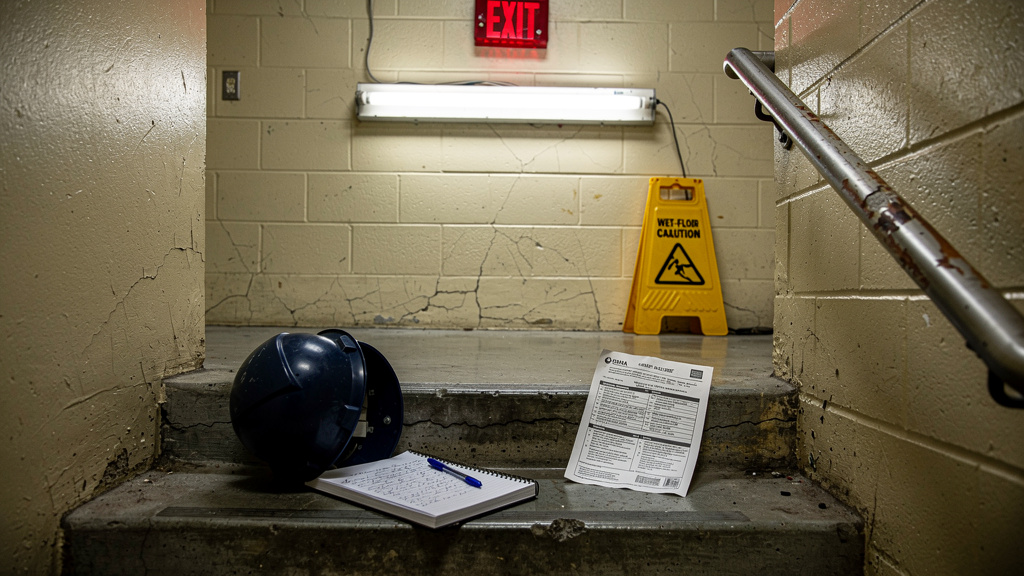
In Florida, you generally cannot sue your employer directly after a fall at work, even if the employer was careless or violated safety rules. Workers’ compensation is almost always your only legal option. However, two narrow exceptions exist: if your employer was legally required to carry workers’ compensation insurance and did not, or if your employer deliberately caused your injury, you may be able to file a civil lawsuit. For injuries on or after March 24, 2023, you generally have two years from the date of the fall to file a negligence lawsuit under Fla. Stat. § 95.11, so acting quickly matters.
Why can’t I just sue my employer for the fall, wasn’t it their fault?
Florida law replaces your right to sue with workers’ compensation benefits through what’s called the “exclusive remedy” rule. Under Fla. Stat. § 440.11, your employer’s liability is “exclusive and in place of all other liability” for workplace injuries, even if they were negligent. That means ordinary failures like ignoring a wet floor, poor lighting, or using broken equipment do not open the door to a lawsuit. This rule also generally protects coworkers acting within the scope of their jobs, with limited exceptions. If you fell at work “over some broke equipment,” as people often describe online, you are still typically limited to workers’ comp. Gross negligence or safety violations by the employer still do not override the employer’s protection under current Florida law.
What if my employer never had workers’ comp insurance, can I sue then?
If your employer was legally required to carry workers’ compensation but failed to do so, the exclusive remedy shield disappears. Coverage thresholds vary by industry, verify current requirements with a Florida attorney or the Florida Division of Workers’ Compensation. In many cases, small Hialeah shops, informal worksites, or subcontractors may not carry coverage when they should. If your employer was uninsured when required, you can file a civil lawsuit seeking full damages, including pain and suffering. Under Fla. Stat. § 440.11(1)(a), the employer cannot use common defenses like your own carelessness or the coworker’s fault. The Florida DWC can investigate and issue stop-work orders, but that does not pay your medical bills or lost wages, you must pursue your claim yourself. Be aware that even if you win, collecting money from an uninsured employer with few assets can be difficult.
What if my employer actually meant to hurt me, is that an exception?
Under this exception, Florida allows a direct lawsuit only if your employer either specifically intended to injure you or knew injury was “virtually certain” to occur and hid the danger from you. This is a high bar. The statutory phrase “virtually certain” means more than just risky, it requires proof the employer had prior similar incidents or explicit warnings and then concealed the hazard. For example, removing a safety guard from machinery after multiple injury reports and ordering you to operate it without telling you might meet this standard. But simply knowing the floor was wet and doing nothing does not. Anger over how your employer handled your injury, delaying care, downplaying severity, or pressuring you to return to work, does not satisfy this exception. Florida courts apply this rule strictly, and gross negligence alone is not enough.
Can I sue anyone else, even if I can’t sue my employer?
Yes. While your employer is protected, third parties are not. If a different company, such as a property owner or equipment manufacturer, contributed to your fall, you may be able to sue them separately. Construction sites in Hialeah where multiple trades work together are more complicated: Florida workers’ comp law can extend immunity to the general contractor and, in some situations, to other subcontractors on the same project, so whether you can sue another company on site depends on the facts. These third-party claims follow the same two-year deadline under Fla. Stat. § 95.11 for injuries on or after March 24, 2023. Unlike workers’ comp, these lawsuits can recover pain and suffering. Be aware that your workers’ comp insurer may assert a lien on any third-party recovery to recoup what they paid. You can learn more about these options in our guide to third-party workplace injury claims.
What if my employer told me not to report the fall or to use my own health insurance?
This happens often in informal or cash-based workplaces in Hialeah, especially with Spanish-speaking workers. Do not let pressure stop you from acting. Retaliation for reporting a workplace injury is addressed under Florida law. You must report the injury to your employer within 30 days under Florida DWC guidance, missing this window can block your workers’ comp claim entirely. Report in writing (email or text) the same day if possible. Using your personal health insurance instead of workers’ comp may complicate things later, because those insurers can seek repayment once a workers’ comp or third-party claim resolves. Call Wolfson & Leon at 305-965-3766, answered by a person 24/7, with Spanish-speaking attorneys and staff available.
How long do I have to act if one of these exceptions applies?
For injuries on or after March 24, 2023, you generally have two years from the date of the fall to file a negligence lawsuit under Fla. Stat. § 95.11; other types of claims can have different deadlines. This replaced the old four-year window, but many online sources still cite the outdated deadline. The workers’ comp claim deadline and the lawsuit deadline run at the same time, filing for comp does not pause the two-year clock. Evidence disappears fast: security footage gets overwritten, tools get repaired, memories fade. Calling a lawyer now costs nothing and can help protect your rights. If your injury happened before March 24, 2023, confirm the applicable deadline with an attorney. Call us at 305-965-3766 to lock in your timeline.
Frequently asked questions
I fell at work over some broke equipment, does workers’ comp cover that, or can I sue?
Workers’ comp covers medical bills and partial lost wages for most workplace falls, including those involving broken equipment. You generally cannot sue your employer, even if they knew the equipment was faulty. Only narrow exceptions, like intentional harm or lack of required insurance, allow a direct lawsuit.
My boss told me not to report my fall and to use my own insurance. What should I do?
Report the injury in writing to your employer immediately, ideally the same day. Using your own insurance may create repayment issues later. Florida law prohibits employers from coercing or intimidating workers over a valid workers’ comp claim, and you still have rights. Contact a lawyer right away to protect your claim.
Can I get paid for pain and suffering after a fall at work in Florida?
Not through workers’ compensation. Pain and suffering damages are only available if you file a civil lawsuit under an exception, such as suing an uninsured employer or a third party like a contractor or manufacturer.
What if my employer is a small shop in Hialeah with only two or three workers, do they still have to carry workers’ comp?
Coverage requirements depend on the industry. Generally, non-construction businesses with fewer than four employees are not required to carry workers’ comp, while construction employers generally must carry it even with one employee. Verify current thresholds with the Florida DWC or an attorney.
Can I file a workers’ comp claim and still sue someone else for my workplace fall?
Yes. You can pursue workers’ comp benefits from your employer while also suing a third party, such as an equipment maker or, in some situations, another company on site, whose negligence contributed to your injury. The two claims proceed separately.
Related reading: I fell in a store in Hialeah. Can I make a claim? · Alfonso “Alfie” Leon · The 14-day PIP rule in Florida: what happens if you wait to see a doctor after a Hialeah car accident
Hurt in an accident in Hialeah? Call Wolfson & Leon at 305-965-3766 for a free consultation. We speak Spanish, and there is no fee unless we win.
Key facts
- Florida's exclusive remedy rule generally bars employees from suing their employer in civil court for a workplace injury, even if the employer was negligent. Source: Fla. Stat. § 440.11
- An employer that was legally required to carry workers' compensation insurance but failed to do so loses the exclusive remedy protection, opening the door to a direct civil lawsuit. Source: Fla. Stat. § 440.11(1)(a)
- For injuries on or after March 24, 2023, the deadline to file a personal injury lawsuit in Florida is two years from the date of the injury, cut from the prior four-year window. Source: Fla. Stat. § 95.11
- Under Florida Division of Workers' Compensation guidance, most non-construction employers generally must carry workers' compensation if they have four or more employees, and construction employers generally must carry it with even one employee. Source: Wolfson & Leon
- Workers' compensation does not pay for pain and suffering; only a civil lawsuit can recover those non-economic damages. Source: Fla. Stat. § 440 (Chapter 440 benefit structure)
Frequently asked questions
I fell at work over some broke equipment, does workers' comp cover that, or can I sue?
Workers' comp covers it, but a lawsuit against your employer almost certainly does not, not even if the equipment had been broken for months and your employer knew. Florida's exclusive remedy rule blocks civil suits against the employer for negligence, including failing to maintain equipment. Your workers' comp claim covers medical treatment and a portion of lost wages. If a third party, such as the equipment manufacturer (or, in some situations, a different company on the site), was responsible for the defect, a separate lawsuit against that party may still be available.
My boss told me not to report my fall and to use my own insurance. What should I do?
Report the injury to your employer in writing, by email or text, as soon as possible. Florida workers' comp rules generally require notice within 30 days of the injury, and missing that window can bar your claim. Being told not to report is not a valid reason to wait. If you are a Spanish-speaking worker in Hialeah and you have questions about your rights, you can call 305-965-3766 any time, day or night, someone will answer, and Spanish-speaking attorneys and staff are available.
Can I get paid for pain and suffering after a fall at work in Florida?
Not through workers' compensation, Chapter 440 does not pay for pain and suffering under any circumstances. Pain and suffering is only recoverable in a civil lawsuit. That means you would need to qualify under one of the narrow exceptions to the exclusive remedy rule (uninsured employer or intentional tort) or have a viable claim against a third party other than your employer. If neither applies, workers' comp benefits are your recovery.
What if my employer is a small shop in Hialeah with only two or three workers, do they still have to carry workers' comp?
Coverage requirements depend on the industry and the number of employees, and small businesses sometimes operate without required coverage, whether by mistake or deliberately. If your employer was legally required to carry workers' compensation but did not, the exclusive remedy rule does not protect them and you may be able to file a civil lawsuit. Because coverage thresholds vary and the facts matter, verify the requirement with a Florida attorney or contact the Florida Division of Workers' Compensation directly. Do not assume either way.
Can I file a workers' comp claim and still sue someone else for my workplace fall?
Yes, filing a workers' comp claim does not waive your right to sue third parties whose negligence contributed to your injury. Accepting comp benefits waives only the civil claim against your direct employer, not against other parties. However, your workers' comp carrier may assert a lien against any money you recover in a third-party lawsuit, which is one reason to have an attorney involved early. For injuries on or after March 24, 2023, the two-year negligence deadline under Fla. Stat. § 95.11 runs from the date of the injury regardless of where your comp claim stands.
This article is general information about Florida law, not legal advice, and reading it does not create an attorney-client relationship. Every case is different and past results do not guarantee a similar outcome. For advice about your situation, call Wolfson & Leon at 305-965-3766 for a free consultation.
Also available in: Versión en español
 Slip and fall
 Workers' Comp vs. Third-Party Claim After a Fall at Work in Florida
Workers' comp pays your medical bills and part of your lost wages no matter who caused your fall, but it will not pay for pain and suffering or your…
 Slip and fall
 How Do I Know If My Slip and Fall Is Serious Enough to Call a Lawyer?
If you needed medical treatment beyond basic first aid, missed work, or the store or property owner is denying fault, your slip and fall is serious…
 Slip and fall
 What to Bring to a Free Slip-and-Fall Consultation in Hialeah
You do not need every document before calling, bring what you have, and an attorney can identify what still needs to be gathered. The most useful…