
Hurt on a cruise from PortMiami? You may have only six months to give notice
Usually one year to file a lawsuit and six months to give the cruise line written notice of the claim, because federal law (46 U.S.C. § 30508) lets cruise lines shorten the deadlines in the passenger ticket contract, and nearly every line sailing from PortMiami does. The lawsuit generally must be filed in the U.S. District Court for the Southern District of Florida in Miami. Miss the six-month notice and the cruise line will argue the claim is barred regardless of how serious the injury is.
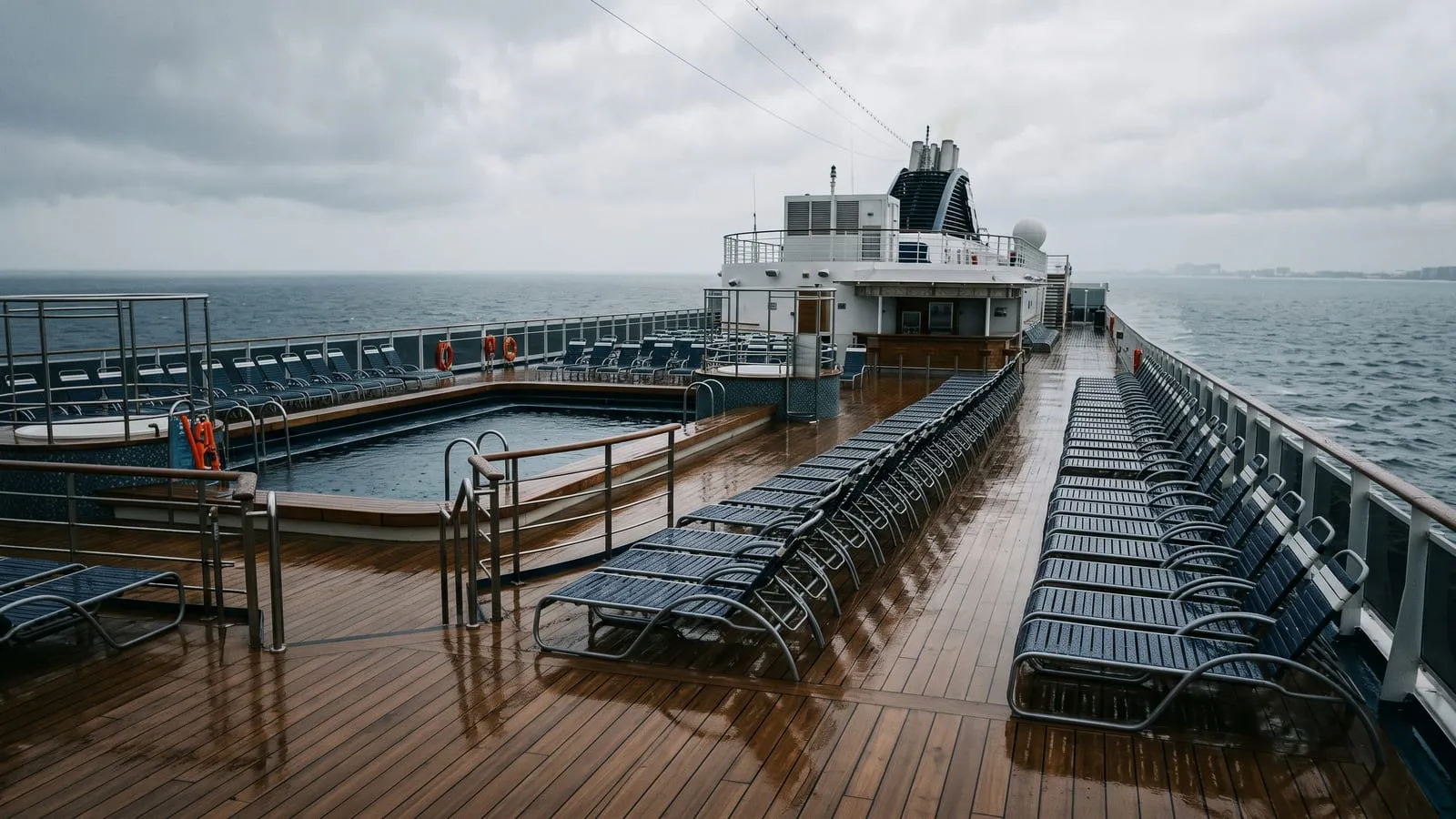
PortMiami is the busiest cruise port in the world, and a lot of Hialeah families sail from it. When someone gets hurt on board, the first surprise is that Florida’s ordinary rules do not apply. The second is how little time there is.
Why cruise injuries follow different rules
A cruise ship at sea is governed by federal maritime law, not Florida negligence law. Congress has allowed carriers to shorten the time limits for passenger injury claims by contract, within limits: no less than six months for written notice of the claim, and no less than one year to file suit (46 U.S.C. § 30508(b)). Every major line sailing from Miami uses those minimums in its ticket contract, and adds a forum-selection clause requiring suit in the U.S. District Court for the Southern District of Florida.
The ticket contract is the document you clicked through when you booked. It controls.
The two deadlines
Six months: written notice of the claim. The contract requires you (or your lawyer) to give the cruise line written notice with the full particulars of the claim within six months of the injury. Reporting the incident onboard is not this notice. A letter, sent to the address specified in the ticket, is.
One year: file the lawsuit. Not open a claim, not send a demand, not negotiate. File a complaint in federal court in Miami within one year of the injury. Cruise lines enforce this to the day, and courts generally uphold it when the ticket gave reasonable notice of the limit.
Compare that to the two years Florida allows for a car crash or fall on land, and it is clear why people lose cruise claims without ever knowing they had one.
What has to be proven
Under maritime law the cruise line owes passengers “reasonable care under the circumstances.” For a dangerous condition, such as a wet pool deck, a raised threshold, a slippery staircase, or a hazard on a gangway, you generally have to show the line had actual or constructive notice of it: it knew, or the condition existed long enough that it should have known, or it happened often enough to be foreseeable. That is very similar to Florida’s slip-and-fall rule on land, and it means the same thing: evidence gathered early decides the case.
What to keep from the ship
- The ticket contract and boarding pass. They set the deadlines and the forum.
- The onboard incident report. Insist that security write one, and get a copy before you disembark. The medical center record is separate; get that too.
- Photos of the hazard before it is cleaned or repaired, and of your injuries.
- Names and cabin numbers or phone numbers of witnesses. Passengers scatter the moment the ship docks.
- Excursion receipts, if the injury happened ashore.
- Your own doctor’s records as soon as you are home. The ship’s doctor works for the cruise line.
Where these cases are handled
In the federal courthouse in downtown Miami, under maritime law, often against the same handful of cruise lines and their regular defense firms. Wolfson & Leon has represented Miami-Dade passengers in these cases since long before the current mega-ships. If you were hurt on a cruise, call (305) 285-7071 well before the six-month mark. Free consultation, English or Spanish, no fee unless we recover money for you.
Key facts
- A cruise line may contractually require written notice of an injury claim within 6 months and a lawsuit within 1 year. Source: 46 U.S.C. § 30508(b)
- Carnival, Royal Caribbean, Norwegian, and MSC ticket contracts require injury suits to be filed in the U.S. District Court for the Southern District of Florida. Source: Passenger ticket contracts (forum-selection clauses)
- Cruise lines owe passengers a duty of reasonable care under the circumstances and must have had actual or constructive notice of a dangerous condition. Source: Federal maritime law (Kermarec v. Compagnie Generale Transatlantique, 358 U.S. 625 (1959); Keefe v. Bahama Cruise Line, 867 F.2d 1318 (11th Cir. 1989))
- General maritime injury claims not shortened by contract must be filed within 3 years. Source: 46 U.S.C. § 30106
Frequently asked questions
I told the ship's medical center and security about my fall. Is that 'notice'?
It is helpful, and get copies, but most tickets require written notice of the claim, with the details, sent to the address in the ticket contract. An onboard incident report is not the same as a claim notice. Send the written notice.
The ticket says I have to sue in Miami and I live in Hialeah. Is that a problem?
No. The Southern District of Florida courthouse is in downtown Miami. Wolfson & Leon handles cases there. If you live elsewhere it can be inconvenient, but the clause is generally enforceable.
I was hurt on a shore excursion, not on the ship. Same deadlines?
Yes, if you are claiming against the cruise line. Whether the cruise line is responsible for an excursion operator's negligence depends on how the excursion was sold and controlled; the ticket deadlines still apply to the claim against the line.
The cruise line offered a future cruise credit if I sign something. Should I?
Not before you know your injuries and rights. Signing a release ends the claim. Given how short the deadlines are, get advice first; the consultation is free.
This article is general information about Florida law, not legal advice, and reading it does not create an attorney-client relationship with Wolfson & Leon. Every case is different and prior results do not guarantee a similar outcome. If you were hurt, talk to a lawyer about your own situation.