
Who Is Liable When Someone Gets Hurt in a Cruise Ship Accident at PortMiami?
The cruise line is usually the first party to look at, but liability at PortMiami often spreads across several defendants: the terminal operator, Miami-Dade County itself, a contractor, the ship's medical staff, or even a second vessel. Which party owes you money depends on where you were standing, who controlled that space, and what body of law, federal maritime or Florida tort, governs the claim.
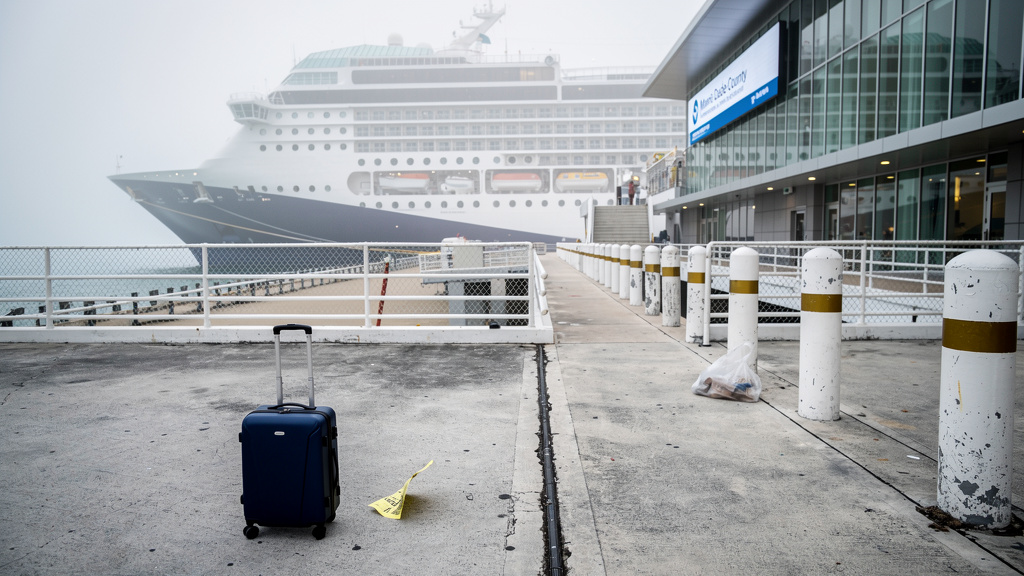
The cruise line is usually the first party to look at, but liability at PortMiami often spreads across several defendants: the terminal operator, Miami-Dade County itself, a contractor, the ship’s medical staff, or even a second vessel. Which party owes you money depends on where you were standing, who controlled that space, and what body of law, federal maritime or Florida tort, governs the claim.
Usually the cruise line, but not always. Here is the short answer.
Liability for injuries at PortMiami is never automatic and rarely belongs to just one company. Federal maritime law typically applies to injuries that occur aboard a vessel or during embarkation and disembarkation, and cruise tickets often require lawsuits to be filed in the U.S. District Court for the Southern District of Florida in Miami. Possible defendants include:
- The cruise line
- Individual crew members (via the line’s vicarious liability)
- A second or third vessel (in collision or allision scenarios)
- The terminal operator
- Miami-Dade County as port authority (miamidade.gov/portmiami)
- Shore excursion operators and independent contractors
- The ship’s medical staff
Which of these parties may be liable depends entirely on the facts of your case, especially who controlled the location where you were hurt.
What duty does the cruise line owe me, and how hard is it to prove they failed?
Under federal maritime law, cruise lines owe passengers a duty of reasonable care. This includes keeping areas under their control safe (like gangways, staterooms, and onboard walkways), warning about known hazards, and properly hiring and training crew. But proving they failed generally requires showing they knew or should have known about the dangerous condition before your injury.
Slip and fall incidents are among the most common cruise-related injuries. Most cruise tickets also include a notice-of-claim deadline that is separate from any lawsuit filing deadline and is commonly measured in months rather than years. Missing this contractual notice window can bar your claim even if you file suit on time. Always check your ticket and review our guide on the six-month notice requirement.
What if a collision or dock strike caused the injury, who pays then?
When a moving vessel strikes another vessel, it is called a collision. When it strikes a stationary object like a pier or berth, that is an allision. In either case, fault can be shared between the striking vessel, the struck vessel, or the owner of the dock or infrastructure. If a defective cleat, fender, or mooring system contributed to the incident and that equipment was under Miami-Dade County’s control, the county may also be liable.
But suing the county triggers special rules. Under Florida Statute § 768.28, you must serve a formal pre-suit notice before filing a lawsuit. This step is mandatory, not optional, and failure to complete it correctly will likely end your case before it starts. The same statute also sets other special rules for claims against government entities.
Who is responsible for the gangway, the terminal, and the baggage hall?
The space between ship and street, gangways, jet bridges, terminal corridors, and baggage halls, is a legal gray zone. Control, not just ownership, determines liability. Depending on the facts, an injured passenger may be able to name the cruise line, the company that operates the terminal, and other parties, using theories such as joint venture, apparent agency, or agency by estoppel to hold the cruise line responsible for a space it presented as part of its operation.
Because PortMiami is owned and operated by Miami-Dade County (miamidade.gov/portmiami), any claim against the county must follow Florida’s sovereign immunity waiver in § 768.28. That means written pre-suit notice under § 768.28(6) before filing suit.
Can I sue the ship’s doctor or the onboard medical staff?
Cruise ships carry medical staff, but holding the cruise line responsible for their mistakes is complicated. Some federal courts have ruled that onboard doctors are independent contractors, not employees, which can shield the cruise line from liability. Others have found the line liable when it represented the doctor as its own employee. The current rule in the Eleventh Circuit, which includes Miami, should be confirmed with a maritime attorney before you rely on it.
If you believe medical negligence occurred, you must identify the doctor by name and preserve all shipboard medical records immediately. These documents are often only held for a short time and are critical to any claim. Do not assume the cruise line is automatically on the hook for a doctor’s error.
What about a shore excursion operator or an independent contractor, are they on the hook?
Many shore excursions sold through cruise lines are run by third-party companies. If you are injured during one of these tours, you may have a claim against the operator directly. You might also have a claim against the cruise line if it marketed the excursion as its own without clearly disclosing the third party, a theory called apparent agency.
If the injury happened on land in Miami-Dade, Florida negligence law may apply, giving you two years to sue under Fla. Stat. § 95.11 (for injuries on or after March 24, 2023). But your ticket contract likely imposes a shorter deadline, sometimes as little as six months for notice and one year for filing suit. The shorter deadline controls, do not rely on Florida’s two-year period if your ticket says otherwise. For more details, see our post on cruise ticket deadlines.
Your ticket sets the notice deadline, the lawsuit deadline, and the court, read it now.
Your cruise ticket is a binding contract that sets three critical deadlines: when you must give written notice of your claim, when you must file a lawsuit, and which court must hear your case. Major cruise lines departing from Miami commonly require notice within a period measured in months and suit within one year, both shorter than Florida’s two-year negligence statute. Federal courts in Miami have generally enforced these deadlines.
These clauses are not suggestions. Miss the notice deadline and your claim may be barred even if your lawsuit is timely. Miss the lawsuit deadline and your case is over, no matter how strong your evidence. Find these terms in the “Passenger Ticket Contract” booklet you received before sailing or online through your cruise line’s website. If you were hurt at PortMiami, contact a maritime personal injury attorney right away.
Frequently asked questions
Can I sue Miami-Dade County if I was hurt on port property at PortMiami?
Yes, but only if you follow Florida Statute § 768.28. You must send formal pre-suit notice before filing.
Does Florida’s two-year personal injury deadline apply to cruise ship accidents at PortMiami?
Not usually. Many cruise tickets require written notice within six months and a lawsuit within one year. Federal courts generally enforce these shorter deadlines, even though Florida law allows two years for standard negligence claims.
What if the cruise line and the terminal operator both caused my injury, can I sue both?
Yes, in many cases. Injury lawsuits can name multiple defendants. The key is showing each party had control over the hazardous condition or failed in a duty they owed you.
If a second ship or a dock strike caused my injury, is the cruise line still responsible?
Possibly, but not automatically. Liability may fall on the striking vessel, the dock owner, or both. The cruise line could still share responsibility if it failed to protect passengers during the incident.
Where do I file a cruise ship injury lawsuit if I was hurt at PortMiami?
Often in the U.S. District Court for the Southern District of Florida in Miami. Many cruise ticket contracts include a forum-selection clause requiring this venue, and courts generally enforce it, so check your ticket.
Hurt in an accident in Hialeah? Call Wolfson & Leon at 305-965-3766 for a free consultation. We speak Spanish, and there is no fee unless we win.
Key facts
- PortMiami is owned and operated by Miami-Dade County, which means injury claims against the port authority are governed by Florida's sovereign immunity waiver statute and carry strict procedural requirements. Source: Fla. Stat. § 768.28; miamidade.gov/portmiami
- Cruise ticket contracts for Miami-based sailings commonly contain forum-selection clauses directing lawsuits to federal court in Miami and notice-of-claim deadlines as short as six months from the date of injury, well before any Florida statute of limitations would run. Source: 46 U.S.C. § 30526
- Under federal maritime law, a cruise line owes its passengers a duty of reasonable care under the circumstances. Source: Wolfson & Leon
- Before suing Miami-Dade County over an injury on port property, a claimant must give written notice of the claim to the county as required by Florida's sovereign immunity waiver statute. Source: Fla. Stat. § 768.28(6)
- When a moving vessel strikes a stationary object such as a dock (an allision), maritime law generally presumes the moving vessel was at fault. Source: Wolfson & Leon
Frequently asked questions
Can I sue Miami-Dade County if I was hurt on port property at PortMiami?
Yes, but the process is different from suing a private company. Miami-Dade County operates PortMiami, so any claim against the county is governed by Florida's sovereign immunity statute, Fla. Stat. § 768.28. Before you can file a lawsuit, you must serve a written pre-suit notice on the county as required by Fla. Stat. § 768.28(6). An attorney should review your claim as soon as possible because missing the notice step can permanently bar your case.
Does Florida's two-year personal injury deadline apply to cruise ship accidents at PortMiami?
Not necessarily. Florida's two-year negligence statute of limitations under Fla. Stat. § 95.11 applies to land-based injury claims, but cruise ticket contracts routinely impose a shorter contractual filing deadline, commonly cited in the industry as one year from the date of injury, and a separate notice-of-claim deadline measured in months. Courts in Miami's federal district have generally enforced these contractual deadlines. You should read your ticket and contact a maritime attorney immediately; do not assume you have two years.
What if the cruise line and the terminal operator both caused my injury, can I sue both?
Yes, in many cases. A plaintiff can name the cruise line, the terminal operating company, and other responsible parties in the same action. Theories like joint venture liability and apparent agency may allow you to hold the cruise line accountable for conditions in a terminal it controlled or marketed as its own, even if a third party technically managed the space. Identifying every responsible party is critical because missing one can leave significant compensation on the table.
If a second ship or a dock strike caused my injury, is the cruise line still responsible?
It depends on fault. In a collision between two vessels, each ship's owner can be liable in proportion to that vessel's fault under maritime law. In an allision, where a moving vessel strikes a fixed structure like a PortMiami dock or berth, the moving vessel is often presumed at fault, but the dock owner, which may be Miami-Dade County, can also be liable if port infrastructure was defective. Multiple defendants and multiple insurers are common in these cases, and a maritime attorney should investigate all of them.
Where do I file a cruise ship injury lawsuit if I was hurt at PortMiami?
Most claims arising from PortMiami sailings are filed in the United States District Court for the Southern District of Florida in Miami. This is because cruise ticket contracts for major lines typically contain forum-selection clauses pointing to that court, and because the corporate headquarters of several major cruise lines are in Miami-Dade County, making it the natural venue. Claims against Miami-Dade County for port property defects may proceed in Miami-Dade Circuit Court, subject to the sovereign immunity rules in Fla. Stat. § 768.28.
This article is general information about Florida law, not legal advice, and reading it does not create an attorney-client relationship. Every case is different and past results do not guarantee a similar outcome. For advice about your situation, call Wolfson & Leon at 305-965-3766 for a free consultation.
Also available in: Versión en español
 Slip and fall
I Slipped and Fell at PortMiami: Who Is Responsible for My Injuries?
Responsibility for a slip-and-fall at PortMiami depends on exactly where you fell and who controlled that space at the time: the cruise line, a…
 Slip and fall
Yes, a Lawyer Can Come to You in the Hospital After a Fall
Yes. Wolfson & Leon sends attorneys to patients at Hialeah Hospital, Palmetto General, and other area facilities, no need to wait until discharge.…
 Slip and fall
Are 'Top-Rated Slip and Fall Attorney' Lists for Hialeah Actually Reliable?
Those lists are built by directories with their own ranking formulas, paid placement, profile completeness, and review volume can all influence who…