
Who Files the Wrongful Death Claim When a Family Member Dies in Florida?
In Florida, a single court-appointed person called the personal representative files one wrongful death lawsuit on behalf of every eligible family member, no one in the family files their own separate suit. This person is either named in the deceased's will or appointed by the probate court, and they have a legal duty to identify and protect every survivor's claim. The money recovered belongs to the survivors and the estate, not to the personal representative personally.
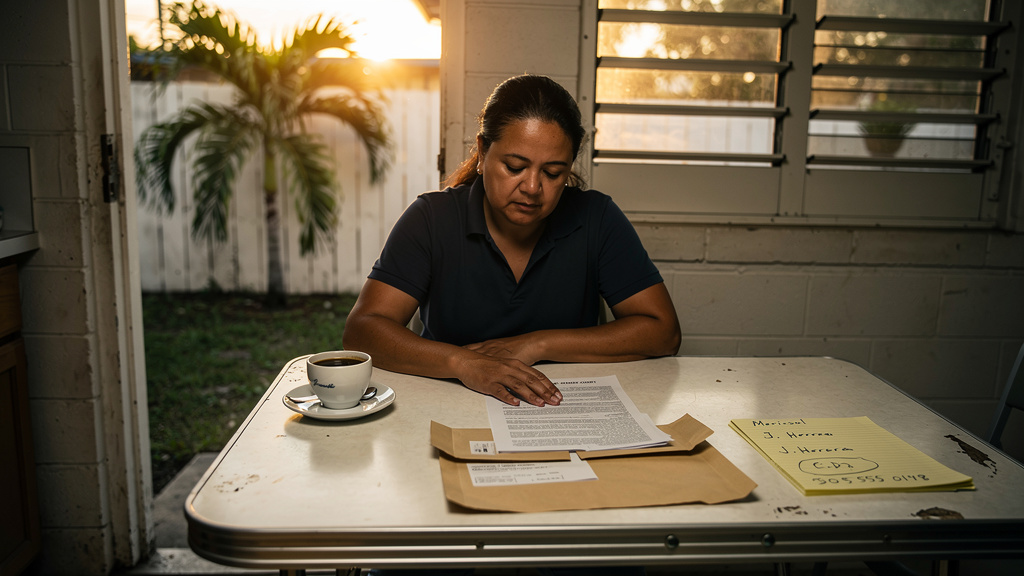
In Florida, only one person can file a wrongful death lawsuit: the personal representative of the deceased’s estate. This individual files a single case for all eligible survivors, spouses, children, parents, and certain dependent relatives, and cannot keep the recovery for themselves. The law requires this structure so that no survivor is accidentally left out and to prevent multiple lawsuits over the same death. If a family member tries to sue on their own, the court can dismiss the case.
Why can’t each family member file their own lawsuit?
Florida law allows only the personal representative to bring a wrongful death claim. Under Fla. Stat. § 768.20, the action “shall be brought by the decedent’s personal representative” and any recovery goes to the survivors and the estate, not to the representative personally. This rule exists to avoid conflicting lawsuits, inconsistent verdicts, and missed claims. It also means that even if you have a strained relationship with other relatives, the person who files the case must include every eligible survivor in the complaint. The representative owes a fiduciary duty to all of them, not just to those they favor. A defense that applies to one survivor does not block another’s recovery, which shows how the law separates each person’s right to compensation.
Who can serve as personal representative, and who decides?
The personal representative is either named in the deceased’s valid will or appointed by the probate court if there is no will. If there is no will, Florida law sets a priority order for who may serve, but the exact details depend on current probate statutes and whether the candidate lives in Florida. Generally, the surviving spouse has priority, and after that the law looks to the heirs, such as adult children, and then to other relatives. In Hialeah, where blended families and multigenerational households are common, disagreements over who should serve frequently arise. The appointee must be legally competent and willing to act. Non-residents face additional restrictions under Florida probate law, so it is critical to consult an attorney before assuming someone qualifies.
How does a Miami-Dade court actually appoint the personal representative?
Before any wrongful death lawsuit can be filed, a probate case must be opened in the probate court within the Eleventh Judicial Circuit in Miami-Dade County. The court formally appoints the personal representative and issues “letters of administration,” which prove their legal authority to act on behalf of the estate. Without these letters, a wrongful death complaint generally cannot move forward. Families should not delay opening probate, the two-year deadline under [Fla. Stat. § 95.11] generally starts on the date of death and does not pause while relatives argue or wait. Because court procedures can change, always verify the current division name and filing requirements directly with the court or a qualified attorney.
What can the personal representative decide, and what requires court approval?
The personal representative can hire attorneys, collect medical records, negotiate with insurance companies, and sign settlement agreements on behalf of the estate. But they cannot distribute money however they wish, exclude eligible survivors, or pocket the recovery for themselves. Under Fla. Stat. § 768.20, the money belongs to the survivors and the estate. The complaint must list every potential beneficiary and their relationship to the deceased per Fla. Stat. § 768.21. If a settlement includes a minor or incapacitated person, the court generally must approve it under [Fla. Stat. § 744.387]. For example, a surviving spouse may recover for loss of companionship and mental pain, while minor children (under 25 for this purpose) may recover for lost parental guidance, but all must be accounted for in the claim.
What if the family cannot agree on who should serve?
Disagreements over who should serve as personal representative are common in Miami-Dade, especially in Hialeah households where step-relatives, half-siblings, or adult children from different relationships all believe they have a rightful claim. When this happens, the probate court in the Eleventh Judicial Circuit must resolve the dispute. Until someone is formally appointed, no wrongful death lawsuit can move forward, even though the two-year clock keeps running under [Fla. Stat. § 95.11]. Each family member with a potential interest should consider speaking with their own lawyer, because the person seeking to be appointed may not represent everyone’s interests equally.
Who are the survivors the personal representative is legally obligated to protect?
Florida defines “survivors” narrowly in Fla. Stat. § 768.18: the surviving spouse, children (including adopted children), parents, and certain blood relatives or adoptive siblings who depended on the deceased for support or services. Each category has specific damages available under Fla. Stat. § 768.21. For instance, the estate may recover for lost earnings and medical expenses, while the surviving spouse may recover for loss of companionship, protection, and mental pain and suffering. Minor children (under 25 for this purpose) may recover for lost parental companionship and instruction. The personal representative must identify every eligible survivor in the complaint, omitting someone breaches their legal duty. They do not benefit from the role unless they are also a qualifying survivor themselves.
Frequently asked questions
My brother was killed by a driver last week. Does my sister-in-law control everything and can she cut me out?
No. If your sister-in-law is appointed personal representative, she must include all eligible survivors in the lawsuit, which can include his children, his parents and, if they were partly or wholly dependent on him, his siblings. She cannot exclude you if you qualify under the law. Her duty is to act for everyone, not just herself.
Does the personal representative keep the settlement money?
No. The recovery belongs to the estate and the statutory survivors, not the representative. They only manage the process. If they are also a survivor (like a spouse or child), they may receive a share, but only as a survivor, not because of their role.
What happens if the person named in the will cannot serve or refuses to serve?
The probate court will appoint someone else based on Florida’s priority order. The next eligible person, often a surviving spouse or adult child, may be asked to serve. The court handles replacements formally through probate proceedings.
Can we file the wrongful death lawsuit first and open probate later?
Generally, no. You should open probate first and get letters of administration before filing the wrongful death claim. Without them, the lawsuit can be challenged or dismissed. Start probate as soon as possible, it is the required first step.
Does a settlement involving my minor grandchild need special approval?
Yes. Under Fla. Stat. § 744.387, a settlement for a minor or incapacitated person generally must be reviewed and approved by the court to ensure it is fair and in their best interest.
Hurt in an accident in Hialeah? Call Wolfson & Leon at 305-965-3766 for a free consultation. We speak Spanish, and there is no fee unless we win.
Key facts
- Only the personal representative of the estate may file a Florida wrongful death lawsuit; a lawsuit filed by an individual family member acting alone generally cannot proceed. Source: Fla. Stat. § 768.20
- The personal representative must list every potential beneficiary, including the estate itself, and each person's relationship to the deceased in the complaint. Source: Fla. Stat. § 768.21
- Survivors who may share in the recovery include the surviving spouse, children, parents, and certain blood relatives or adoptive siblings who were dependent on the deceased for support or services. Source: Fla. Stat. § 768.18
- If the personal representative settles a claim on behalf of a minor or an incapacitated survivor, the settlement generally requires court approval before it is binding. Source: Fla. Stat. § 744.387
- Florida's wrongful death lawsuit must generally be filed within two years of the date of death; missing that deadline bars the claim entirely. Source: Fla. Stat. § 95.11
Frequently asked questions
My brother was killed by a driver last week. Does my sister-in-law control everything and can she cut me out?
Under Florida law, the personal representative, who may well be your sister-in-law if she is the surviving spouse, has a fiduciary duty to identify every eligible survivor in the wrongful death complaint, not just the ones she chooses. The law under Fla. Stat. § 768.21 requires that all potential beneficiaries and their relationships to the deceased be listed. If you believe you are an eligible survivor and you are being excluded, you should consult your own attorney promptly, because the two-year filing deadline under Fla. Stat. § 95.11 does not wait for family disagreements to resolve.
Does the personal representative keep the settlement money?
No. The personal representative acts in a fiduciary role, meaning they manage the claim on behalf of others, not for their own benefit. Under Fla. Stat. § 768.20, any money recovered goes to the eligible survivors and the estate according to Florida law. The personal representative does not personally profit from that role unless they are also a qualifying survivor in their own right, such as a surviving spouse who is also the appointed representative.
What happens if the person named in the will cannot serve or refuses to serve?
If the person named in the will as personal representative is unable or unwilling to serve, the probate court in Miami-Dade will appoint a replacement following the priority order established under Florida law. This is one reason families should not assume the will resolves everything, the court retains authority to determine who is qualified to serve. An attorney can help petition the court and move the appointment forward before time is lost on the two-year deadline.
Can we file the wrongful death lawsuit first and open probate later?
Generally, no. The personal representative should be formally appointed and issued letters of administration before a wrongful death complaint is filed. Probate must come first, or at minimum proceed simultaneously, because without the appointment there is no one with legal authority to bring the claim. Because the two-year deadline under Fla. Stat. § 95.11 generally runs from the date of death, not from when probate closes, families should begin the probate process as soon as possible after a fatal accident.
Does a settlement involving my minor grandchild need special approval?
Generally, yes. Under Fla. Stat. § 744.387, a settlement that resolves or releases a claim on behalf of a minor generally requires court approval before it is valid and binding. The personal representative cannot simply accept a settlement that includes a minor survivor's share without going back to the court. This protection exists so that a minor's portion of the recovery is not given away without judicial oversight.
This article is general information about Florida law, not legal advice, and reading it does not create an attorney-client relationship. Every case is different and past results do not guarantee a similar outcome. For advice about your situation, call Wolfson & Leon at 305-965-3766 for a free consultation.
Also available in: Versión en español
 Wrongful death
Undocumented Victim Died: Can the Family Still Sue in Florida?
Immigration status alone does not bar a wrongful death claim under Florida law. Florida's Wrongful Death Act does not make the immigration status of…
 Wrongful death
Family Living Abroad Can Still Recover in a Florida Wrongful Death Case
Under Florida's Wrongful Death Act, who qualifies as a survivor is determined by family relationship and financial dependence, not by where the…
 Wrongful death
A Relative Died in a Hialeah Crash: What to Do in the First Weeks
In the first weeks after a fatal crash in Hialeah, your family must secure the official crash report, avoid giving recorded statements to any…