
Family Living Abroad Can Still Recover in a Florida Wrongful Death Case
Under Florida's Wrongful Death Act, who qualifies as a survivor is determined by family relationship and financial dependence, not by where the person lives, so a spouse, children, or parents residing in Cuba, Venezuela, or any other country may still be recognized as survivors. The case must be filed in Florida by a personal representative, and that representative acts on behalf of all survivors regardless of their location. Practical challenges remain: participating from abroad requires careful legal coordination, and sending any recovered money to certain countries involves federal restrictions that must be confirmed before settlement.
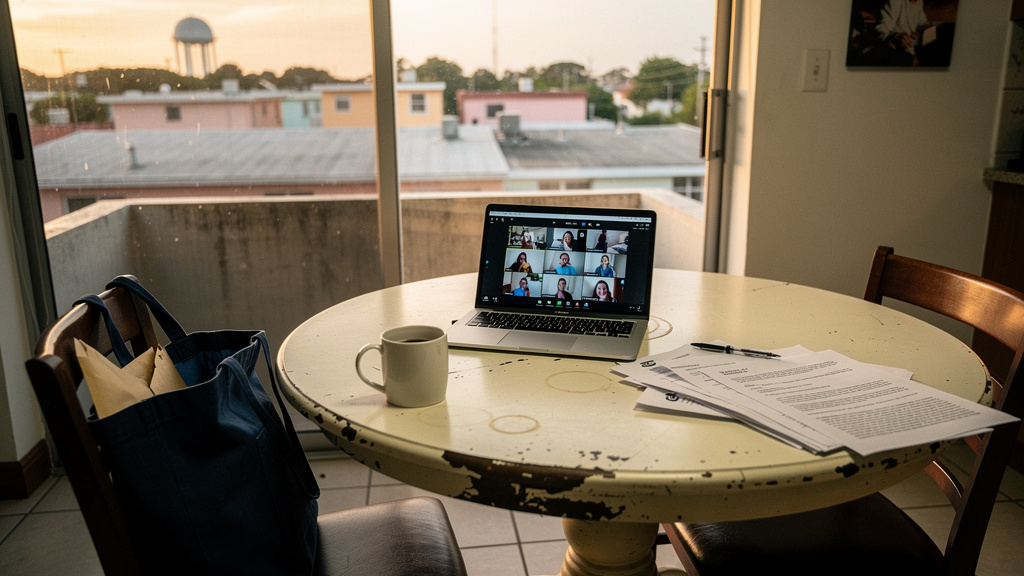
Under Florida’s Wrongful Death Act, who qualifies as a survivor depends on family relationship and financial dependence, not where they live. That means your father’s wife, children, or parents in Cuba or Venezuela may still be recognized as legal survivors entitled to recover damages. The case must be filed in Florida by a personal representative, who acts for all survivors no matter their location. However, practical challenges exist: participating from abroad requires careful coordination, and sending money to certain countries is restricted by federal law.
Does my relative have to live in Florida, or even in the United States, to be a survivor under Florida law?
No. Florida Statute § 768.18 defines “survivors” by relationship and dependence, not residence. Eligible survivors include the deceased’s spouse, children (minor or adult in some cases), parents, and blood relatives or adoptive siblings who were partly or wholly dependent on the deceased for support or services. This matters in Hialeah, where many Cuban and Venezuelan families rely on relatives working here who send money home monthly. While the statute does not require U.S. or Florida residency, each case can raise its own questions, so this point should be confirmed with a Florida wrongful death attorney.
How does a family member in Cuba or Venezuela actually take part in the case from thousands of miles away?
The personal representative files the lawsuit in Florida under Fla. Stat. § 768.20 and handles court appearances. Family members abroad generally do not appear in person but may need to provide authenticated documents like birth or marriage certificates to prove their relationship. They may also need to sign a power of attorney allowing someone in Florida to act on their behalf, and possibly submit sworn statements about their loss. Document authentication from Cuba or Venezuela can be difficult due to limited consular services, inconsistent notarization, and political conditions. These steps vary by country and change over time, so families should consult an attorney experienced with international wrongful death claims.
Who can serve as personal representative when the whole family lives outside the United States?
Florida law requires a personal representative to file the wrongful death suit, either named in a will or appointed by the probate court. But Florida imposes eligibility rules that may disqualify someone living in Cuba or Venezuela, for example, non-residents often cannot serve unless they are closely related or meet other criteria. If no family member can qualify or practically serve, another qualified person may need to be appointed. Because Florida’s statute of limitations generally gives only two years from the date of death to file a wrongful death claim, families should address this issue immediately. Speak with a Florida probate or wrongful death attorney as soon as possible to avoid missing the deadline.
Can the remittances my father was sending every month count as part of what the family lost?
Yes. Under Fla. Stat. § 768.21, survivors can recover the value of support and services the deceased provided. Regular remittances, money sent monthly to a spouse, children, or parents in Cuba or Venezuela, are a clear form of financial support that may be included as lost economic contributions. In Hialeah, where many workers support families abroad through monthly transfers, this loss is often significant. Evidence such as money transfer receipts, bank records, or testimony about informal transfer networks can help prove the pattern. What qualifies as admissible proof and how damages are calculated depends on the facts of each case and should be confirmed with a Florida wrongful death attorney.
What happens to a minor child’s share of the settlement if the child lives in another country?
Florida law requires court approval for any settlement involving a minor child when the amount exceeds the threshold set by state law. This rule, found in Fla. Stat. § 744.387, applies regardless of where the child lives. The court reviews whether the settlement is fair and may require the funds to be placed in a blocked account or managed by a guardian until the child turns 18. When the child lives in Cuba or Venezuela, additional steps may be needed to establish a legal mechanism for managing those funds across borders. This situation is not unusual among Hialeah families, where a parent may have emigrated alone while leaving young children behind, who remain legal survivors under § 768.18.
After the case settles, can the money actually be sent to Cuba or Venezuela?
Not automatically. The U.S. Treasury’s Office of Foreign Assets Control (OFAC) enforces sanctions that restrict financial transfers to Cuba and Venezuela. Sending settlement proceeds to those countries may require a specific OFAC license or fall under a general license with strict conditions. These rules change frequently, Cuba’s remittance policies have shifted multiple times in recent years, and Venezuela has its own separate framework. Even if the case ends in a favorable settlement, the money might not be transferable without advance planning. Families should consult both their attorney and a financial professional familiar with current OFAC regulations before finalizing any agreement.
Frequently asked questions
Does a family member in Cuba or Venezuela need to come to Florida to be part of the wrongful death case?
No. The personal representative handles all court appearances. Family members abroad typically participate by providing documents, affidavits, or powers of attorney from their home country.
What is the deadline to file a wrongful death case in Florida if the family is still trying to get organized abroad?
You generally have two years from the date of death to file under Florida’s statute of limitations. Time spent organizing from abroad does not extend this deadline.
Can a parent living in Venezuela recover money if their adult child who worked in Hialeah was killed in a crash?
Possibly. Florida law includes parents as survivors regardless of where they live. A parent who depended on the child can claim the lost support, and regular remittances would be key evidence. If the child was 25 or older, the parent can recover for their own pain and suffering only if there are no other survivors, such as a spouse or children.
What kind of proof do we need to show that our relative was sending money to us every month?
Bank statements, wire transfer receipts, records from remittance services like Western Union, or sworn testimony about consistent payments can help establish a pattern of support.
Is it possible that the settlement money cannot legally be sent to Cuba or Venezuela even after the case is won?
Yes. U.S. federal sanctions may block or limit transfers to those countries. Whether a transfer is allowed depends on OFAC rules in effect at the time, which can change without notice.
Hurt in an accident in Hialeah? Call Wolfson & Leon at 305-965-3766 for a free consultation. We speak Spanish, and there is no fee unless we win.
Key facts
- Florida law defines survivors eligible to recover in a wrongful death case by their relationship to the deceased, including spouse, children, parents, and blood relatives or adoptive siblings who were partly or wholly dependent on the deceased, without stating that survivors must be Florida or U.S. residents. Residency as a disqualifying factor should be verified with counsel. Source: Fla. Stat. § 768.18
- Only the personal representative of the deceased's estate may file a wrongful death lawsuit in Florida; the representative acts for all survivors, including those living outside the United States. Source: Fla. Stat. § 768.20
- Damages survivors may recover include the value of support and services the deceased provided, and lost financial contributions such as remittances sent regularly to family members abroad may be relevant to establishing that loss. The strength of this claim depends on the evidence available and should be verified with an attorney. Source: Fla. Stat. § 768.21
- When a surviving minor child's share of a wrongful death settlement exceeds a threshold set by Florida law, court approval of the settlement is required to protect the child's interest, regardless of where the child lives. Source: Fla. Stat. § 744.387
- Transferring settlement funds to Cuba or other sanctioned countries is subject to U.S. federal regulations administered by the Office of Foreign Assets Control (OFAC); the specific rules and any available licenses must be verified before funds are sent. Source: U.S. Department of the Treasury, Office of Foreign Assets Control (OFAC)
Frequently asked questions
Does a family member in Cuba or Venezuela need to come to Florida to be part of the wrongful death case?
In most circumstances, survivors living abroad do not need to travel to Florida because the personal representative, a legally appointed individual, handles the lawsuit on their behalf. However, relatives abroad will likely need to provide authenticated documents proving their relationship to the deceased, such as birth certificates or marriage records, and may need to sign a power of attorney. The logistics of obtaining and authenticating documents from Cuba or Venezuela can be difficult, and an attorney experienced with international families should be consulted early in the process.
What is the deadline to file a wrongful death case in Florida if the family is still trying to get organized abroad?
Florida law generally gives two years from the date of death to file a wrongful death lawsuit. The clock does not pause because family members are abroad or because documents are hard to obtain. Missing this deadline will almost certainly end the right to recover. Families in Hialeah dealing with relatives overseas should contact a Florida wrongful death attorney as soon as possible so that a personal representative can be appointed and the case filed in time.
Can a parent living in Venezuela recover money if their adult child who worked in Hialeah was killed in a crash?
Possibly. Florida's wrongful death statute includes parents as potential survivors, and a parent who was financially dependent on the deceased, for example, one who received regular remittances, may have a stronger basis for a damage claim. The exact scope of a parent's recovery depends on the facts, the evidence of financial dependence, and how Florida courts interpret the statute in each case. An attorney should evaluate the specific situation.
What kind of proof do we need to show that our relative was sending money to us every month?
Records that can help document regular financial support include wire transfer receipts, bank statements showing recurring outgoing transfers, records from remittance services, and any written communications referencing the payments. The stronger and more consistent the paper trail, the more effectively an attorney can argue for lost-support damages under Florida's wrongful death statute. Because gathering this evidence from abroad can take time, families should begin collecting records as soon as possible and share them with their attorney.
Is it possible that the settlement money cannot legally be sent to Cuba or Venezuela even after the case is won?
Yes, this is a genuine risk that families must plan for. The United States government restricts financial transactions with Cuba and Venezuela through sanctions programs, and transferring a lump-sum settlement to those countries may require special government authorization or be subject to conditions that limit the amount or method of transfer. The rules change and are complex, so families should discuss this issue with both their wrongful death attorney and a financial professional familiar with U.S. sanctions law before a settlement is finalized.
This article is general information about Florida law, not legal advice, and reading it does not create an attorney-client relationship. Every case is different and past results do not guarantee a similar outcome. For advice about your situation, call Wolfson & Leon at 305-965-3766 for a free consultation.
Also available in: Versión en español
 Wrongful death
Who Files the Wrongful Death Claim When a Family Member Dies in Florida?
In Florida, a single court-appointed person called the personal representative files one wrongful death lawsuit on behalf of every eligible family…
 Wrongful death
Undocumented Victim Died: Can the Family Still Sue in Florida?
Immigration status alone does not bar a wrongful death claim under Florida law. Florida's Wrongful Death Act does not make the immigration status of…
 Wrongful death
A Relative Died in a Hialeah Crash: What to Do in the First Weeks
In the first weeks after a fatal crash in Hialeah, your family must secure the official crash report, avoid giving recorded statements to any…