
How Long Will My Boating Accident Case Take in Miami?
A Miami boating accident case can resolve in a few months or stretch beyond two years, the honest answer depends on how long your medical recovery takes and whether fault is genuinely disputed. Simple claims with clear liability and fully healed injuries settle faster; cases involving multiple vessels, commercial operators near PortMiami, or a federal court filing routinely take much longer. Your job right now is to get proper medical care and protect the evidence; your attorney's job is to keep the legal process moving while you do.
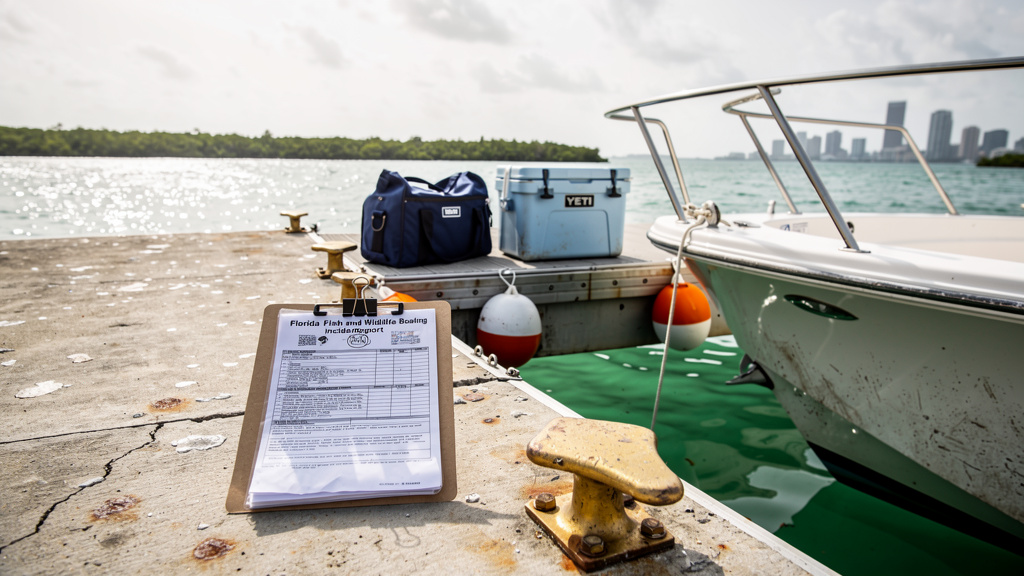
A Miami boating accident case can resolve in a few months or stretch beyond two years, the honest answer depends on how long your medical recovery takes and whether fault is genuinely disputed. Simple claims with clear liability and fully healed injuries settle faster; cases involving multiple vessels, commercial operators near PortMiami, or a federal court filing routinely take much longer. Your job right now is to get proper medical care and protect the evidence; your attorney’s job is to keep the legal process moving while you do.
What is the short answer, and why can’t anyone give you an exact number?
No honest attorney can give you a fixed timeline for your boating injury case because two variables control everything: how long your medical treatment lasts and whether the other side actually disputes fault. You are not alone in worrying that this could drag on for years while the insurance company stalls. That fear is real, but Florida law includes a hard deadline of two years from the date of the accident to file a lawsuit for accidents on or after March 24, 2023 [Fla. Stat. § 95.11]. That two-year mark is the outer legal limit, not a target completion date. Straightforward cases with undisputed liability and complete medical records may settle within a year or so. Complex maritime claims, especially those involving commercial vessels, multiple owners, or jurisdictional questions, often last well beyond that. The insurer’s delay does not erase your rights as long as you act before the statute runs.
Phase 1: What happens right after the crash, the accident report and the investigation?
Florida law requires a written boating accident report when a crash causes injury, death, a missing person, or significant property damage [Fla. Stat. § 327.30]. In Miami-Dade, which regularly reports among the most boating accidents in Florida, you can expect responders from several agencies depending on location. The Florida Fish and Wildlife Conservation Commission (FWC) handles most recreational incidents. The U.S. Coast Guard has authority over Government Cut and other federally navigable waters. Miami-Dade Marine Patrol and Miami-Dade Fire Rescue also respond to water emergencies. These early reports become critical evidence later, especially if fault is contested. If your crash happened near PortMiami or involved a charter boat, the investigation may include commercial vessel logs, Coast Guard inspections, and crew statements. Request copies of every report as soon as they are available. Do not assume someone else will preserve them for you.
Phase 2: Why does your medical treatment control the timeline more than anything else?
Your case usually should not settle until you reach maximum medical improvement (MMI), the point where your doctor says your condition has stabilized. Water-related trauma often involves head, spine, or soft-tissue injuries that evolve slowly. Settling before MMI is one of the costliest mistakes possible: once you sign a release, it is final. If you later need surgery, physical therapy, or lost-wage support beyond what you accepted, there is no legal recourse. Florida’s two-year deadline creates pressure, but that pressure should never push you into a premature deal. A skilled attorney will preserve evidence, communicate with insurers, and position your claim while you focus entirely on recovery. Unlike car crashes, Florida PIP coverage does not apply to recreational boating accidents, so your medical bills must be covered through health insurance, out of pocket, or eventually through a liability settlement.
Phase 3: How does the insurance claim and negotiation phase actually work?
Florida does not require recreational boat owners to carry liability insurance, so your first step may be finding out whether any coverage exists at all. Potential sources include the vessel owner’s voluntary liability policy, uninsured boater coverage under your own policy (if you have it), commercial marine insurance for charters, or even a homeowner or umbrella policy. Insurers often make low first offers before you understand your full losses. Adjusters may also argue that you were more than 50 percent at fault, a tactic that, if successful under Florida’s modified comparative negligence rule [Fla. Stat. § 768.81(6)], would bar any recovery entirely. Never give a recorded statement to an insurer without speaking to a lawyer first. Your attorney will gather medical records, calculate lost income, and send a formal demand based on actual damages, not guesses.
Phase 4: What happens if the case goes to court, state or federal?
Depending on where the crash occurred and who was involved, your case might be filed in Miami-Dade circuit court (the Eleventh Judicial Circuit) or in federal court in the Southern District of Florida. Accidents in navigable waters often fall under federal maritime jurisdiction, which uses pure comparative fault, meaning you can still recover even if partly at fault, though your award is reduced by your percentage. When Florida law applies, modified comparative fault cuts off recovery entirely if you are more than 50 percent responsible; maritime law can also apply in state court, so which rule governs depends on the facts. Either way, courts commonly require mediation before trial. Trial preparation includes depositions, expert reports, and motions. Contested cases in Miami-Dade typically take many months just to reach trial due to court volume. Often, the mere filing of a lawsuit prompts better settlement talks.
What specifically makes a Miami boating case take longer than average?
Several concrete factors add months or years to a Miami boating claim. First, multiple vessels mean multiple owners, insurers, and defense lawyers, each requiring separate negotiations. Second, a vessel owner may file a federal Limitation of Liability petition under 46 U.S.C. § 30529 to cap their exposure at the boat’s post-accident value; this must generally happen within six months of receiving written notice of your claim, so your first demand letter should only go out after consulting an attorney. Third, out-of-state or corporate owners take longer to locate, serve, and litigate against. Fourth, crashes near PortMiami or Government Cut often involve Coast Guard investigations and commercial marine insurers with complex internal procedures. Fifth, disputes over whether state or federal law applies can trigger early jurisdictional fights that stall everything else. Sixth, severe injuries simply take time to heal before reaching MMI.
Frequently asked questions
What is the deadline to file a boating accident lawsuit in Florida?
For accidents on or after March 24, 2023, you have two years from the date of the crash to file a negligence lawsuit under Florida Statute § 95.11. Missing this deadline usually means losing your right to sue.
Do I have to file in federal court or Miami-Dade circuit court?
It depends on the facts, especially location, vessel type, and whether federal maritime law applies. Recreational crashes in local waters may stay in state court; incidents in navigable channels near PortMiami often raise federal jurisdiction questions.
What is a Limitation of Liability petition and how does it affect my case?
It is a federal filing that lets a vessel owner try to limit their financial responsibility to the value of the boat after the accident. If filed properly within six months of your claim notice, it can pause your case and shift proceedings to federal court.
Will my regular car insurance or PIP cover a boating accident?
No. Florida’s Personal Injury Protection (PIP) coverage applies only to motor vehicles, not recreational boats. You will need to look to health insurance, liability policies, or uninsured boater coverage if available.
What can I do to keep my case from dragging on unnecessarily?
Follow your doctor’s treatment plan fully, request all accident reports immediately, avoid giving recorded statements without a lawyer, and consult an attorney before sending any demand letters, because a written claim starts the owner’s six-month window to file a Limitation of Liability petition.
Hurt in an accident in Hialeah? Call Wolfson & Leon at 305-965-3766 for a free consultation. We speak Spanish, and there is no fee unless we win.
Key facts
- Florida law gives most injury victims two years from the date of the accident to file a lawsuit for accidents on or after March 24, 2023. Source: Fla. Stat. § 95.11
- A written boating accident report is required under Florida law when a crash causes injury, death, a missing person, or significant property damage. Source: Fla. Stat. § 327.30
- Miami-Dade County is regularly among the Florida counties with the most reported boating accidents. Source: Wolfson & Leon
- A vessel owner may file a federal Limitation of Liability petition to attempt to cap their exposure at the post-accident value of the boat; that petition must generally be filed within six months after a claimant gives written notice of a claim. Source: 46 U.S.C. § 30529
- If you are found more than 50 percent at fault for the accident, Florida's modified comparative negligence rule bars any recovery. Source: Fla. Stat. § 768.81(6)
Frequently asked questions
What is the deadline to file a boating accident lawsuit in Florida?
For accidents on or after March 24, 2023, Florida law gives most injury victims two years from the date of the accident to file a lawsuit under Fla. Stat. § 95.11. Missing this deadline almost always means losing the right to sue permanently. If federal maritime law applies to your case, a different federal statute of limitations may govern, another reason to consult an attorney quickly rather than assume you have more time.
Do I have to file in federal court or Miami-Dade circuit court?
It depends on where the accident happened and the legal claims involved. Accidents in navigable waters subject to federal jurisdiction may be filed in the Southern District of Florida federal court, while others may proceed in the Eleventh Judicial Circuit in Miami-Dade. Because the court and the governing law can affect how the case proceeds, it is a strategic decision that should be made with an attorney familiar with both venues, not something to guess at.
What is a Limitation of Liability petition and how does it affect my case?
Under federal law, a vessel owner may file a petition in federal court to attempt to limit their liability to the value of the boat after the accident. The owner generally must file within six months after receiving written notice of a claim. If filed, this petition can create a separate federal proceeding that complicates and delays your case. For this reason, your attorney should be involved before any written claim letter goes out, because that letter can start the owner's clock.
Will my regular car insurance or PIP cover a boating accident?
No. Florida's Personal Injury Protection (PIP) coverage applies to motor vehicle accidents, not recreational boat crashes. Boat accident claims run through the vessel owner's voluntary liability insurance, your own uninsured boater coverage if you have it, or other applicable policies such as commercial marine or homeowner coverage. Because Florida does not require recreational boat operators to carry liability insurance at all, locating any available coverage is one of the first tasks your attorney will tackle.
What can I do to keep my case from dragging on unnecessarily?
Report the accident immediately and cooperate with the responding agency, FWC, Coast Guard, or Miami-Dade Marine Patrol, so the official record is complete. Get medical treatment promptly and follow your doctor's plan so your injuries are fully documented. Preserve evidence: photograph the vessels and the scene, collect contact information for witnesses, and note the name of every official report filed. Do not give a recorded statement to any insurer without your attorney present, and do not post about the accident on social media. Contact an attorney before sending any written demand letter, because that letter can start legal deadlines in the case.
This article is general information about Florida law, not legal advice, and reading it does not create an attorney-client relationship. Every case is different and past results do not guarantee a similar outcome. For advice about your situation, call Wolfson & Leon at 305-965-3766 for a free consultation.
Also available in: Versión en español
 Car accidents
I Got Hurt on a Friend's Boat, Can I Make a Claim Without Ruining the Friendship?
Yes, injured boat passengers in Florida can pursue compensation, and in most cases the claim runs against the boat owner's insurance policy, not…
 Car accidents
Hurt on a Rented Jet Ski or Speedboat Tour in Miami: Who Pays?
Yes, you may still have a claim against the rental company even if you signed a waiver, because a waiver may not shield a company from its own…
 Car accidents
Can a Lawyer Come to the Hospital Tonight After My Husband's Crash?
Yes. Wolfson & Leon answers the phone around the clock, and an attorney or intake professional can arrange a bedside visit at Hialeah Hospital or…