
After a Wrongful Death, Does Our Family Need a Separate Probate Attorney?
Florida law requires a court-appointed personal representative to file every wrongful death lawsuit, which means the estate must be opened in probate court before the civil claim can move forward, two separate legal tracks running at the same time. Many personal injury firms coordinate with probate counsel on the family's behalf, and the cost of opening the estate is often advanced as a case expense and repaid from any recovery, depending on the fee agreement. Whether one attorney handles both roles or two attorneys work together, the family should ask at the start whether it will have to pay probate fees out of pocket before the case resolves.
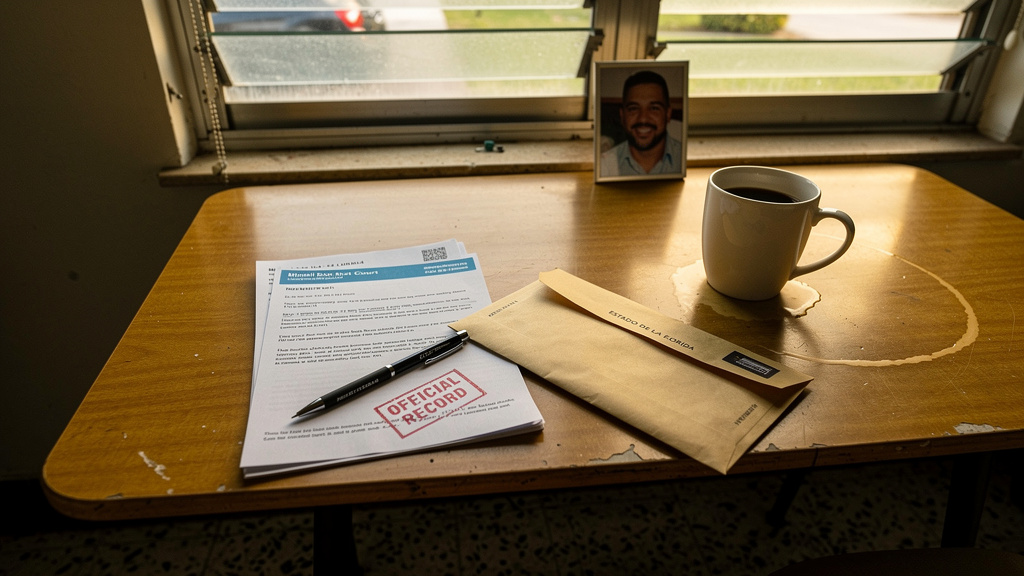
After a wrongful death in Florida, two legal processes must run at the same time. One opens the estate in probate court and appoints a personal representative. The other pursues the wrongful death civil claim against the at-fault party. Only the court-appointed personal representative, not any individual family member, can file the wrongful death lawsuit under Florida law. Families often ask, “If so, do all five of us (myself and my siblings) sue, or can I sue on behalf of all of us?” The answer is neither. A lawsuit filed by an unappointed family member can be dismissed. In Miami-Dade County, probate matters generally go through the Probate Division of the Eleventh Judicial Circuit, while the civil claim moves separately, often in the circuit court’s civil division.
What are the two separate legal jobs that have to happen after a wrongful death?
Florida law draws a clear line: you cannot start the wrongful death lawsuit until the probate estate is open and a personal representative holds Letters of Administration. The probate track is about getting legal authority. The civil track is about proving fault and collecting damages for surviving family members. They serve different purposes and cannot replace each other.
Many families mistakenly believe any close relative can file suit right away. That is not true. Under Fla. Stat. § 768.20, only the personal representative has standing to bring the case. Without that appointment, there is no valid plaintiff. This requirement exists even if your father died without a will or if multiple family members want to act together. The confusion is understandable, but filing too soon or without proper authority puts the entire case at risk.
Who handles each track, and can one attorney do both?
Formal probate administration in Florida requires a Florida-licensed attorney to represent the personal representative. This is not optional; it is required by Florida Probate Rule 5.030. The personal injury firm handling the wrongful death claim may also have probate experience, but many work with a separate probate attorney who focuses only on estate appointments and administration.
Who can serve as personal representative matters too. Under Fla. Stat. § 733.304, a nonresident may still qualify if they are a spouse, child, sibling, or related by direct lineage. For Hialeah families with relatives abroad, this rule offers flexibility, but practical issues like time zones, travel, and court appearances can complicate things. The court decides who is best suited to serve. Because of these variables, many injury firms bring in a probate attorney early, especially when minors or out-of-state relatives are involved.
How is the probate attorney usually paid, and will our family owe fees before the case ends?
The wrongful death attorney works on contingency: no recovery, no fee. The probate attorney’s fees are handled differently. Often, the injury firm advances the cost of opening the estate as a litigation expense, to be repaid from any recovery, depending on the fee agreement.
This is a common arrangement, but it is not automatic. Families should confirm in writing how probate costs will be handled during the initial consultation with both attorneys. In many cases, families do not need to pay probate fees out of pocket before resolution. Still, fee structures vary, so ask directly: “Will we owe anything before the case is over?”
How do both tracks come together at settlement, and what happens when a child or incapacitated survivor is involved?
No settlement can be finalized without the personal representative signing the release, and they cannot sign until they hold Letters of Administration. That means the personal representative must be appointed and in place before the civil case can close.
Once a settlement is reached, the survivors’ share does not go into the estate for general distribution, although certain items, such as medical or funeral expenses paid by the estate, belong to the estate. Instead, it flows directly to statutory survivors under Fla. Stat. § 768.21: the spouse, children, parents, or dependent blood relatives, based on proven losses, not equal shares. If any survivor is a minor or legally incapacitated, Fla. Stat. § 744.387 requires probate court approval of their portion. This adds a step but protects vulnerable family members. The court reviews whether the amount is fair before releasing funds.
What if our loved one died without a will, does that change who controls the case?
Dying without a will does not stop a wrongful death claim. It just means the court must appoint a personal representative using Florida’s priority rules, which generally favor the surviving spouse, then heirs such as adult children, then other relatives. The absence of a will does not mean “no estate.” It means the estate must be created now.
Families often say, “Dad would not have died if not for the car accident. So, I would like to sue for wrongful death.” That intent is valid, but the law still requires formal appointment first. The two-year deadline under [Fla. Stat. § 95.11(4)(d)] keeps running during this process, so delay risks losing the right to sue entirely. For Hialeah families with relatives overseas, early legal guidance helps determine who can realistically serve and avoid unnecessary delays.
Side-by-side: probate track vs. wrongful death civil track
| Item | Probate Track | Wrongful Death Civil Track |
|---|---|---|
| Purpose | Appoint personal representative and administer the estate | Recover damages for statutory survivors and the estate |
| Where filed | Probate Division, Eleventh Judicial Circuit (Miami-Dade County) | Civil Division of the circuit court |
| Who leads the legal work | Florida-licensed probate attorney (required by Florida Probate Rule 5.030) | Wrongful death personal injury attorney on contingency |
| How attorney is typically paid | Estate funds or advanced as a litigation expense by the PI firm, repaid from recovery (verify with your attorneys) | Contingency fee, no recovery, no fee |
| Key output | Letters of Administration granting legal authority | Damages allocated under Fla. Stat. § 768.21, with court approval if minor or incapacitated survivor involved under Fla. Stat. § 744.387 |
The personal representative must be in place, and any required court approvals obtained, before the family receives settlement money, which is why coordination between probate counsel and the wrongful death attorney from day one matters.
Frequently asked questions
Can my brothers and sisters and I all file the wrongful death lawsuit together, or does only one person file?
Only the court-appointed personal representative can file the lawsuit. Individual family members, even acting together, do not have legal standing to sue on their own. The personal representative acts for all statutory survivors.
How long do we have to file a wrongful death lawsuit in Florida, and does probate slow us down?
The deadline is generally two years from the date of death under Fla. Stat. § 95.11(4)(d). Probate does take time, but the clock does not pause. Starting the probate process immediately is essential to meet the deadline.
What happens to the settlement money, does it go into the estate or straight to the family?
The money goes directly to statutory survivors as defined by Fla. Stat. § 768.21, not into the estate for general debts or unrelated claims. Each eligible survivor’s share reflects their specific relationship and losses.
Our family is in Hialeah and some close relatives live outside the United States, can someone abroad serve as personal representative?
Yes, under Fla. Stat. § 733.304, a nonresident who is a close relative, such as a child, sibling, or parent, may serve. However, practical challenges like court appearances and document signing may affect whether it makes sense in your situation.
Is the probate attorney a separate cost on top of the wrongful death attorney’s contingency fee?
Often not out of pocket. Many injury firms advance probate costs as part of the case expenses, to be repaid from any recovery, depending on the fee agreement. Confirm this arrangement in writing with both attorneys before proceeding.
Hurt in an accident in Hialeah? Call Wolfson & Leon at 305-965-3766 for a free consultation. We speak Spanish, and there is no fee unless we win.
Key facts
- Only the personal representative of the estate, not individual family members, may file a Florida wrongful death lawsuit. Source: Fla. Stat. § 768.20
- A personal representative must be appointed by the probate court and issued Letters of Administration before the civil wrongful death complaint can be filed. Source: Fla. Stat. § 768.20; Florida Probate Rule 5.030
- Damages recovered flow to specific statutory survivors, spouse, children, parents, and certain dependents, based on their relationship to the deceased. Source: Fla. Stat. § 768.21
- When a minor or legally incapacitated survivor is involved, court approval of any settlement affecting that survivor is required. Source: Fla. Stat. § 744.387
- Florida's wrongful death statute of limitations is generally two years from the date of death. Source: Fla. Stat. § 95.11
Frequently asked questions
Can my brothers and sisters and I all file the wrongful death lawsuit together, or does only one person file?
Only one person, the court-appointed personal representative, files the wrongful death lawsuit in Florida. Under Fla. Stat. § 768.20, that single action covers the losses of every eligible survivor, including a surviving spouse, children, parents, and, in some cases, siblings or other relatives who were dependent on the deceased. Individual family members do not file separate suits. A lawsuit filed by an individual family member who lacks a court appointment will face dismissal.
How long do we have to file a wrongful death lawsuit in Florida, and does probate slow us down?
Florida's statute of limitations generally gives families two years from the date of death to file a wrongful death lawsuit under Fla. Stat. § 95.11. This deadline does not pause while probate is being opened. Because a personal representative must be appointed before the complaint can be filed, families should begin the probate process as quickly as possible after the death to avoid losing the right to recover entirely.
What happens to the settlement money, does it go into the estate or straight to the family?
The personal representative receives the settlement proceeds and then distributes them to specific survivors based on their relationship to the deceased and their individual losses, as set out in Fla. Stat. § 768.21. The survivors' share does not go to the estate generally or split equally among all relatives by default, although certain items, such as medical or funeral expenses paid by the estate, belong to the estate. If any survivor receiving money is a minor or legally incapacitated, the probate court must approve that portion of the distribution under Fla. Stat. § 744.387 before the funds can be released.
Our family is in Hialeah and some close relatives live outside the United States, can someone abroad serve as personal representative?
Florida law under Fla. Stat. § 733.304 allows certain nonresidents to serve as personal representative if they are a close relative of the deceased, such as a spouse, sibling, child, or someone related by lineal consanguinity. Whether a specific relative living abroad qualifies and can practically fulfill the duties of the role depends on the facts of the situation and may involve complications that vary case by case. Families in this position should raise the question with a Florida probate attorney at the very first meeting.
Is the probate attorney a separate cost on top of the wrongful death attorney's contingency fee?
Fee arrangements vary, but in many cases the personal injury firm advances the cost of opening the estate as a litigation expense, which is then repaid from the recovery, depending on the fee agreement. This means the family may not have to pay probate attorney fees out of pocket before the case resolves. Families should confirm in writing at the start how probate costs will be handled, because arrangements differ between firms.
This article is general information about Florida law, not legal advice, and reading it does not create an attorney-client relationship. Every case is different and past results do not guarantee a similar outcome. For advice about your situation, call Wolfson & Leon at 305-965-3766 for a free consultation.
Also available in: Versión en español
 Wrongful death
Can You Sue Miami-Dade County or Hialeah After a Wrongful Death?
Yes, you can sue Miami-Dade County or the City of Hialeah for wrongful death, but Florida's sovereign immunity law, Fla. Stat. § 768.28, controls…
 Wrongful death
What Actually Happens at Your First Meeting With a Wrongful Death Lawyer
The first meeting with a wrongful death lawyer is a free conversation, not a commitment, where the attorney listens to what happened, explains who…
 Wrongful death
Steps in a Wrongful Death Lawsuit in Miami-Dade County, Florida
A wrongful death lawsuit in Miami-Dade County moves through six defined stages: appointing a personal representative in probate court, investigating…