
Can You Sue Miami-Dade County or Hialeah After a Wrongful Death?
Yes, you can sue Miami-Dade County or the City of Hialeah for wrongful death, but Florida's sovereign immunity law, Fla. Stat. § 768.28, controls the entire process. The government does not get sued the same way a private driver does: you must serve a formal written notice before filing any lawsuit, damage caps limit what a jury award can actually pay out, and the overall process takes longer than a standard wrongful death case. Missing any of these procedural steps can end a valid claim before it ever reaches a courtroom.
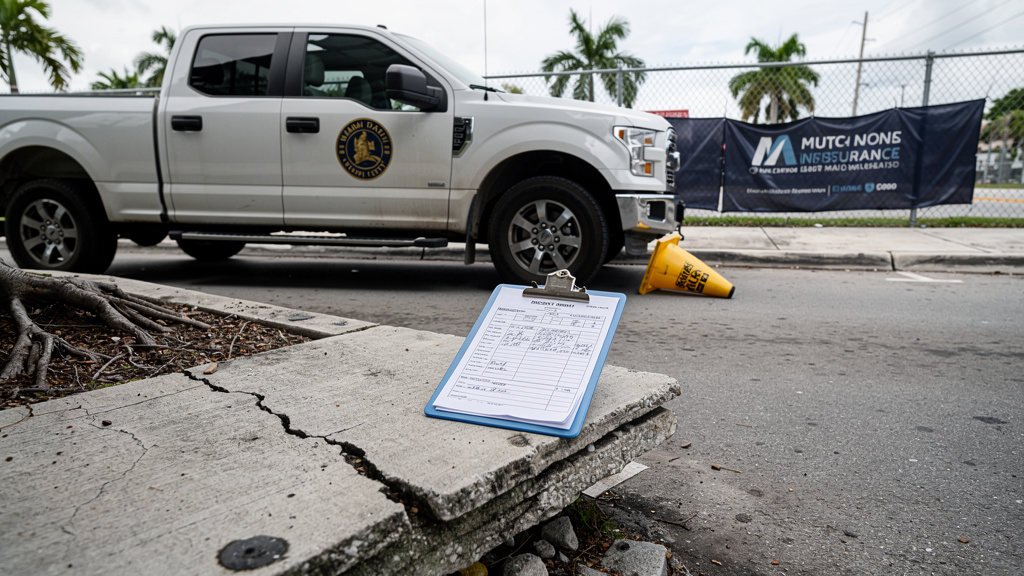
Yes, you can sue Miami-Dade County or the City of Hialeah for wrongful death, but Florida’s sovereign immunity law, Fla. Stat. § 768.28, controls the entire process. The government does not get sued like a private driver. You must serve formal written notice before filing any lawsuit, damage caps limit what a jury award can actually pay out, and the process takes longer than a standard wrongful death case. Missing any of these steps can end a valid claim before it ever reaches a courtroom.
Does Florida law actually allow you to sue the government for wrongful death?
Florida law generally protects government entities from lawsuits through sovereign immunity. However, Fla. Stat. § 768.28 creates a limited waiver. It states the state “waives sovereign immunity for liability for torts, but only to the extent specified in this act.” This means you can sue only if a private person would be liable under the same facts, and only if a government employee was acting within the scope of their job. The law explicitly covers counties and municipalities, so both Miami-Dade County and the City of Hialeah are reachable defendants. Other covered entities include Miami-Dade Transit (which runs Metrobus) and public health systems such as Jackson Health System, though the exact legal status of each facility must be confirmed. Importantly, the statute creates no new duty of care. The government is not liable just because harm occurred.
What is the written notice requirement and why does missing it kill your case?
Before suing any government entity in Florida, you must give formal written notice under Fla. Stat. § 768.28(6). The statute sets a deadline for this notice, and it is separate from the deadline to file suit, so a lawyer should confirm it right away. Notice goes directly to the government entity itself. For claims against Miami-Dade County or the City of Hialeah, send it to that county or city, not to the Florida Department of Financial Services. Filing a lawsuit first does not take the place of the required notice. After notice is received, the agency has a period set by statute to review the claim before a lawsuit can be filed. Crucially, the deadline to file the lawsuit, generally two years from the date of death, runs separately from the notice deadline. Only the personal representative of the deceased’s estate may file the wrongful death lawsuit; individual family members cannot bring their own separate cases.
How much can survivors actually collect from a government defendant?
Even if a jury awards millions, Florida law caps what you can collect from a government defendant. Under Fla. Stat. § 768.28, there are per-person and per-incident limits; a lawyer should confirm the current amounts that apply to your case. Punitive damages and pre-judgment interest are never available against government entities. Any amount above the cap generally cannot be collected unless the family pursues a special claims bill. A claims bill requires petitioning the Florida Legislature, a process that can take years and is not guaranteed to succeed. One possible exception: if the government entity bought excess liability insurance above the statutory caps, it may pay more without legislative approval. Early investigation into whether such coverage exists is essential.
Which situations in Hialeah and Miami-Dade most often lead to government wrongful death claims?
Four common scenarios arise locally. First, Metrobus or Miami-Dade Transit crashes: if a county bus driver causes a fatal crash while on duty, Miami-Dade County can be liable under § 768.28. Second, City of Hialeah vehicles: city trucks, public works equipment, or fire-rescue units operating within their duties may trigger liability. Third, road and signal defects: a fatal crash caused by a pothole, broken traffic light, or missing sign on a government-maintained road may support a claim. Be cautious about who maintains the road, corridors like the Palmetto Expressway (SR 826) may be under state, county, or city control depending on the segment. Fourth, public hospital negligence: deaths involving medical error at facilities that may operate under public authority, such as those within the Jackson Health System, could fall under § 768.28, but you must verify the specific entity’s legal status before relying on the notice process.
Are there private defendants you can also sue alongside the government?
Yes. Government liability and private liability are not mutually exclusive. If a Metrobus and a private truck collide and cause death, both may share fault. If a road defect resulted from work done by a private contractor, that company may also be liable. Private defendants are not bound by the § 768.28 damage caps or the pre-suit notice requirement. Florida’s modified comparative fault rule under Fla. Stat. § 768.81(6) applies: each defendant pays only their share of fault, and your recovery is reduced by your own percentage of fault, but you lose everything only if you are more than 50 percent at fault. Critically, the government’s cap applies only to its portion of liability. A private co-defendant can be ordered to pay far more. Because the notice clock starts running right away, identifying all potential defendants early is vital.
What can surviving family members recover, and why do these cases take longer?
Survivors may recover damages under Fla. Stat. § 768.21 for loss of support and services, loss of companionship and protection, mental pain and suffering (for the spouse and minor children), and medical and funeral expenses. But when the defendant is a government entity, all of these are subject to the statutory caps unless excess insurance or a claims bill applies. These cases take longer for three reasons. First, after giving notice you must wait for the agency’s review period to end before filing suit. Second, if a jury awards more than the cap, pursuing a claims bill adds years. Third, government defendants can appeal verdicts against them, which adds time. Only the personal representative of the estate can file the lawsuit; individual family members cannot bring separate cases.
Frequently asked questions
How long do I have to file a wrongful death lawsuit against Miami-Dade County or the City of Hialeah?
You generally have two years from the date of death to file a wrongful death lawsuit under Fla. Stat. § 95.11. But you must also send written notice to the government entity under Fla. Stat. § 768.28(6), and that notice has its own deadline. These deadlines run independently, so talk to a lawyer early.
If a Metrobus hit and killed my spouse, can I collect more than the government damage cap?
Not from Miami-Dade County directly unless the county has excess insurance or the Florida Legislature passes a special claims bill. A jury may award more, but the statutory cap limits what you can collect from the government.
Does the government wrongful death notice requirement apply to public hospitals too?
Only if the hospital is legally considered a state, county, or municipal entity. Facilities like those in the Jackson Health System may qualify, but you must confirm the specific entity’s status before relying on the § 768.28 notice process.
Can I sue the private driver AND Miami-Dade County if a county truck and another car both caused the crash?
Yes. You can sue both, but different rules apply. The private driver is not subject to damage caps or the pre-suit notice requirement, while the county is. Each party’s share of fault will be determined separately.
Who actually files the wrongful death lawsuit, can each family member file their own case?
No. Only the personal representative of the deceased’s estate may file the lawsuit. That representative acts on behalf of all eligible survivors under Florida’s Wrongful Death Act.
Hurt in an accident in Hialeah? Call Wolfson & Leon at 305-965-3766 for a free consultation. We speak Spanish, and there is no fee unless we win.
Key facts
- Florida's sovereign immunity statute, Fla. Stat. § 768.28, waives the government's blanket immunity for negligence but only to the extent that law specifies, it creates no new duties of care. Source: Fla. Stat. § 768.28
- For a wrongful death claim against a government entity, written notice must be presented to the appropriate agency before a lawsuit can be filed, and the notice has its own deadline that should be confirmed with a lawyer. Source: Fla. Stat. § 768.28(6)
- Statutory damage caps limit government liability per person and per incident; any jury award above those caps generally cannot be collected without a special claims bill passed by the Florida Legislature. Source: Fla. Stat. § 768.28
- Punitive damages and pre-judgment interest are not available against government entities under Florida's sovereign immunity framework. Source: Fla. Stat. § 768.28
- Eligible survivors under Florida's wrongful death act include the surviving spouse, children, parents, and certain other relatives who were partly or wholly dependent on the decedent; depending on the relationship, they may recover for lost support and services, lost companionship, or mental pain and suffering. Source: Fla. Stat. § 768.18; Fla. Stat. § 768.21
Frequently asked questions
How long do I have to file a wrongful death lawsuit against Miami-Dade County or the City of Hialeah?
You face two separate deadlines that must both be met. First, you must serve written notice of your claim on the government entity under Fla. Stat. § 768.28(6) before suing; this is a condition precedent, not optional, and the notice has its own deadline that a lawyer should confirm right away. Second, the wrongful death lawsuit itself must generally be filed within 2 years of the date of death under Fla. Stat. § 95.11. These clocks run at the same time, so waiting on the notice can make it impossible to also meet the suit-filing deadline.
If a Metrobus hit and killed my spouse, can I collect more than the government damage cap?
A jury can return a verdict for any amount supported by the evidence, but current Florida law caps what you can actually collect from a government entity under Fla. Stat. § 768.28; a lawyer should confirm the current limits. To collect more, the family must pursue a claims bill through the Florida Legislature, a process that can take years and is not guaranteed to succeed. However, if Miami-Dade Transit or Miami-Dade County carries excess liability insurance above the statutory cap, it may be possible to settle within that coverage without a claims bill, which is why investigating insurance coverage early is essential.
Does the government wrongful death notice requirement apply to public hospitals too?
If the hospital is a government entity or operates under public authority, yes, the pre-suit notice requirement under Fla. Stat. § 768.28(6) applies just as it does to other government defendants. Families should verify the legal structure of the specific facility before relying on any particular notice procedure. Some hospital systems in Miami-Dade have been publicly described as operating under government authority, but confirming the entity's status with an attorney before sending notice is critical because sending notice to the wrong entity or missing the notice deadline can bar the claim entirely.
Can I sue the private driver AND Miami-Dade County if a county truck and another car both caused the crash?
Yes. Suing a government entity and a private defendant in the same case is permitted, and the two claims operate under different rules. The government defendant is subject to the § 768.28 damage caps and the pre-suit notice requirement; the private defendant is not. Under Florida's modified comparative fault law at Fla. Stat. § 768.81(6), each defendant's share of fault is apportioned separately, and your recovery is reduced only by your own percentage of fault, your claim is barred entirely only if you are found more than 50 percent at fault.
Who actually files the wrongful death lawsuit, can each family member file their own case?
No. Under Florida law, only the personal representative of the deceased's estate may file the wrongful death lawsuit, and that representative pursues the case on behalf of all eligible survivors. Eligible survivors can include the surviving spouse, children, parents, and certain other relatives who were partly or wholly dependent on the deceased for support, as defined by Fla. Stat. § 768.18. If no personal representative has been appointed, probate proceedings may be required before the lawsuit can move forward, another reason these cases benefit from early legal guidance.
This article is general information about Florida law, not legal advice, and reading it does not create an attorney-client relationship. Every case is different and past results do not guarantee a similar outcome. For advice about your situation, call Wolfson & Leon at 305-965-3766 for a free consultation.
Also available in: Versión en español
 Wrongful death
After a Wrongful Death, Does Our Family Need a Separate Probate Attorney?
Florida law requires a court-appointed personal representative to file every wrongful death lawsuit, which means the estate must be opened in…
 Wrongful death
What Actually Happens at Your First Meeting With a Wrongful Death Lawyer
The first meeting with a wrongful death lawyer is a free conversation, not a commitment, where the attorney listens to what happened, explains who…
 Wrongful death
Steps in a Wrongful Death Lawsuit in Miami-Dade County, Florida
A wrongful death lawsuit in Miami-Dade County moves through six defined stages: appointing a personal representative in probate court, investigating…