
What Counts as Medical Malpractice in Florida? A Plain-English Explanation
Medical malpractice in Florida means a licensed health-care provider failed to meet the accepted standard of care and that failure directly caused you measurable harm, a bad outcome alone is never enough. Under Fla. Stat. § 766.102, the law explicitly says that the existence of a medical injury creates no inference or presumption of negligence. You must prove four specific elements, and you generally have two years from the date you discovered, or should have discovered, the injury to act.

Medical malpractice in Florida means a licensed health-care provider failed to meet the accepted standard of care and that failure directly caused you measurable harm, a bad outcome alone is never enough. Under Fla. Stat. § 766.102, the law explicitly says that the existence of a medical injury creates no inference or presumption of negligence. You must prove four specific elements, and you generally have two years from the date you discovered, or should have discovered, the injury to act.
What is the one-sentence legal definition of medical malpractice in Florida?
Florida law defines medical malpractice as care that falls below the level of skill and treatment a reasonably prudent, similarly trained health-care provider would deliver under the same or similar circumstances. This definition applies not just to doctors but also to nurses, pharmacists, hospitals, clinics, and other licensed providers involved in patient care. In Hialeah and across Miami-Dade, this includes treatment at Hialeah Hospital, Palmetto General Hospital, Jackson Memorial Hospital, local neighborhood clinics, and community pharmacies. If your claim arises “out of the rendering of, or the failure to render, medical care or services,” it is governed by Chapter 766 under Fla. Stat. § 766.106(1)(a); general premises liability claims, like a slip on a wet floor in a waiting room, follow a different legal path.
What four things do I have to prove to win a medical malpractice case?
To succeed, you must prove four elements by the greater weight of the evidence: duty, breach, causation, and damages [Fla. Stat. § 766.102(1)]. First, duty means a formal provider-patient relationship existed, for example, when you check into the ER at Palmetto General or are examined at a clinic in Hialeah, not during a casual conversation with a doctor at a family party. Second, breach means the care given fell below the accepted professional standard, which must be shown through expert testimony, not your personal opinion. Third, causation, also called proximate cause, means the provider’s mistake more likely than not caused your specific injury, not a pre-existing condition that worsened naturally. Finally, damages require measurable harm: new medical bills, lost wages, permanent disability, or death. All four must be proven; missing any one ends the case.
What is NOT medical malpractice, and why does that distinction matter?
A poor result is not automatically malpractice. Florida law states clearly: “The existence of a medical injury shall not create any inference or presumption of negligence against a health care provider” [Fla. Stat. § 766.102]. For example, if a patient at Hialeah Hospital undergoes abdominal surgery after being told infection is a known risk, and later develops that infection despite proper technique, it is not malpractice, it is a recognized complication. Similarly, medicine involves uncertainty; providers are not guarantors of success. Also, failure to obtain informed consent is a separate legal theory: if a doctor never explained a major risk that then occurred, that may support a claim even if the care itself met the standard. But without proof of a standard-of-care violation, a bad outcome alone cannot sustain a malpractice case.
What are the most common examples of medical malpractice in the Hialeah area?
Four recurring types arise in local cases:
- Delayed or missed diagnosis: A patient visits a clinic near Okeechobee Road complaining of chest pain and shortness of breath; staff send them home without basic cardiac tests, and they suffer a preventable heart attack days later.
- Surgical errors: A surgeon at an area hospital operates on the wrong limb, leaves a sponge inside a patient, or severs a nerve during a routine procedure, errors often labeled “never events” because protocols exist to avoid them.
- Medication errors: A pharmacist in Hialeah fills a prescription with 10 times the intended dose, or a nurse at Palmetto General gives a drug that dangerously interacts with another already in the chart.
- Birth injuries: At Jackson Memorial or Hialeah Hospital, a delivery team ignores fetal distress signs, delays a needed C-section, or misuses forceps, causing brain damage or serious maternal harm. Note: some severe birth injuries fall under Florida’s NICA program instead of standard malpractice, consult an attorney early to determine the correct path. All these claims, after completing the required presuit steps, are filed in Miami-Dade Circuit Court.
How long do I have to file a medical malpractice claim in Florida?
Florida law sets strict deadlines for filing a medical malpractice claim. The primary rule gives you two years from the date you discovered, or reasonably should have discovered, the injury [Fla. Stat. § 95.11]. That clock might start months after treatment: for instance, if a Hialeah clinic failed to tell you about a critical abnormal lab result in January, and you only learn of it in August, the deadline may begin in August. There is also an absolute outer deadline, generally four years from the date of the incident, beyond which no claim can proceed, regardless of when you found out. Exceptions exist for fraud by the provider or for minors, but these are narrow. Critically, you must complete the entire presuit process, including obtaining a verified expert opinion and serving a Notice of Intent, before filing suit [Fla. Stat. § 766.106]. The time spent investigating and obtaining the expert opinion before the notice is served does not pause the deadline, so acting early is essential.
What happens before the lawsuit, and what if the patient died?
Before any lawsuit can be filed, your attorney must complete a presuit investigation under Fla. Stat. § 766.203. This includes gathering all medical records from facilities like Hialeah Hospital or Jackson Memorial, consulting a qualified expert, and obtaining a written, verified opinion that there are reasonable grounds to believe malpractice occurred and caused harm. Then, a formal Notice of Intent to Initiate Litigation must be served on every potential defendant. That triggers a 90-day period during which defendants investigate and may offer settlement. If no resolution is reached, the case proceeds to Miami-Dade Circuit Court.
If the patient died due to negligence, a wrongful death claim may be possible, brought by the personal representative of the estate on behalf of the estate and the survivors. Whether certain family members, such as parents or adult children, can recover some damages in a medical malpractice death case depends on Fla. Stat. § 768.21(8) and current law, which has been changing; a lawyer must check current law. This area of law has faced legal challenges and legislative changes, so the current scope is fact-specific. Anyone whose loved one died after medical care should consult an attorney immediately to understand their rights.
Frequently asked questions
Is a delayed diagnosis always medical malpractice?
No. A delay is only malpractice if the provider ignored clear symptoms that a reasonably careful doctor would have acted on, and that delay directly caused worse harm. Many conditions are hard to diagnose early, and that uncertainty is not negligence.
Can I sue the hospital, or only the individual doctor who treated me?
You may be able to sue both. Hospitals can be liable for employees’ actions and sometimes for independent doctors if the hospital held them out as its own staff, an issue that can come up with emergency-room doctors.
What if I signed a consent form, does that mean I gave up my right to sue?
No. Consent forms acknowledge known risks; they do not waive your right to hold a provider accountable for substandard care. However, if a complication was disclosed and then occurred despite proper treatment, that is not malpractice.
My family member died after surgery. Who in our family can file a claim?
Florida’s wrongful death law allows certain survivors, typically spouses, minor children, and sometimes parents, to recover specific damages. But in medical malpractice death cases, whether adult children or parents can recover some damages depends on a law that has been changing, so an attorney must check current law and review the facts. The claim itself is brought by the personal representative of the estate.
How soon do I need to contact a lawyer after suspecting malpractice?
As soon as possible. The presuit process takes time, and the two-year deadline starts when you knew or should have known about the injury. Waiting too long can forfeit your claim, even if malpractice occurred.
Hurt in an accident in Hialeah? Call Wolfson & Leon at 305-965-3766 for a free consultation. We speak Spanish, and there is no fee unless we win.
Key facts
- A bad result or a known complication is not malpractice. Florida law states that a medical injury creates no inference of negligence against the provider. Source: Fla. Stat. § 766.102
- A claimant must prove four elements by the greater weight of the evidence: duty, breach of the standard of care, causation, and measurable damages. Source: Fla. Stat. § 766.102(1)
- Before any lawsuit is filed, the claimant must complete a presuit investigation, obtain a verified written expert opinion, and serve a formal Notice of Intent on every prospective defendant, triggering a mandatory 90-day screening period. Source: Fla. Stat. § 766.106; Fla. Stat. § 766.203
- The statute of limitations for medical malpractice is generally two years from the date the injury was discovered or should have been discovered with due diligence. An absolute outer deadline also applies in most cases, consult an attorney to confirm which deadline controls your specific facts. Source: Fla. Stat. § 95.11; Fla. Stat. § 766.106
- When medical negligence causes a death, Florida's wrongful death statute has limited which surviving family members may recover certain damages; that law has been changing, so current law must be confirmed with an attorney. Source: Fla. Stat. § 768.21(8)
Frequently asked questions
Is a delayed diagnosis always medical malpractice?
A delayed diagnosis can be malpractice, but only if three things are true: a reasonably careful provider would have ordered or interpreted the relevant tests differently; the correct diagnosis would have been made with a timely workup; and the delay caused measurable harm beyond what the underlying condition alone would have caused. A delay that did not change the outcome, or a disease that was genuinely difficult to detect, does not automatically qualify. Missed diagnoses of conditions such as cancer, stroke, heart attack, sepsis, and pulmonary embolism can lead to malpractice claims, but each still requires expert analysis of the specific facts.
Can I sue the hospital, or only the individual doctor who treated me?
Hospitals and clinics can be liable separately from the individual providers who treated you. A facility may be responsible for its own negligence, such as inadequate staffing, poor communication protocols, or failure to properly credential its medical staff, or it may be vicariously liable for the actions of employees acting within the scope of their duties. Fla. Stat. § 766.110 imposes obligations on health-care facilities to assure the competence of their staff. Whether a particular hospital like Hialeah Hospital or Palmetto General is a proper defendant depends on the specific facts of your case and requires early investigation.
What if I signed a consent form, does that mean I gave up my right to sue?
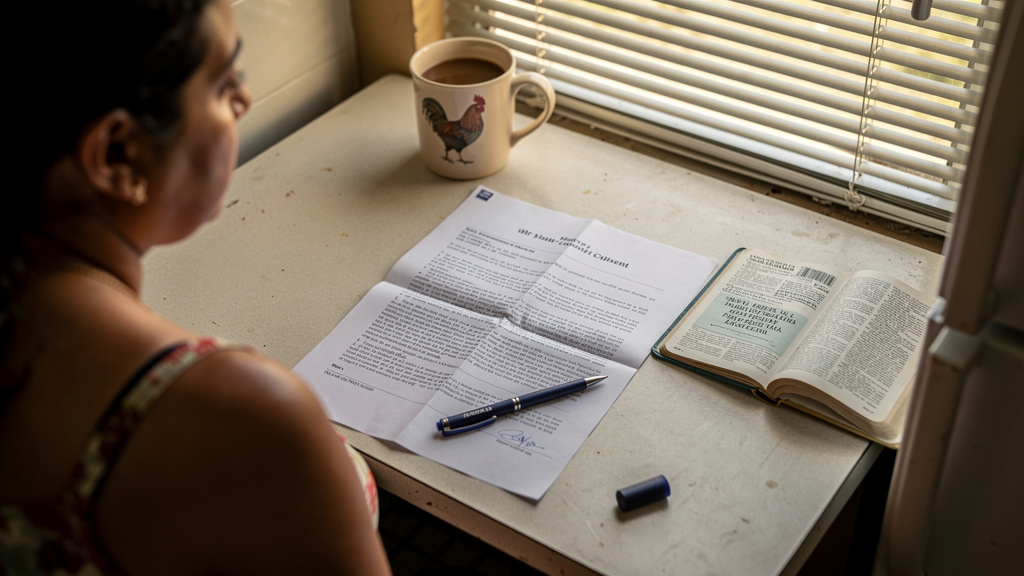
Signing an informed consent form means you were told about recognized risks of a procedure and agreed to proceed, it does not release the provider from liability for negligence. If the surgeon operated on the wrong site, or the dose administered was far outside accepted guidelines, a signed consent form does not bar a malpractice claim. Consent forms cover disclosed risks of properly performed treatment; they do not cover care that fell below the accepted standard.
My family member died after surgery. Who in our family can file a claim?
When medical negligence causes a death, Florida's Wrongful Death Act governs the claim, which is brought by the personal representative of the estate on behalf of the estate and the survivors, and which family members may recover what damages. Fla. Stat. § 768.21(8) has limited certain family members' ability to recover non-economic damages in medical malpractice wrongful death cases, and that law has been changing. Because the scope and enforceability of those restrictions has been subject to legal challenge and legislative attention, the current state of the law must be confirmed with a Florida medical malpractice attorney as soon as possible.
How soon do I need to contact a lawyer after suspecting malpractice?
As soon as possible, the two-year statute of limitations under Fla. Stat. § 95.11 begins running from the date you discovered, or reasonably should have discovered, the injury. Before that deadline, your attorney must also complete a full presuit investigation, obtain a verified expert opinion, and serve a formal Notice of Intent under Fla. Stat. § 766.106, after which a mandatory 90-day screening period runs before a lawsuit can be filed. Because all of those steps must fit inside the limitations window, waiting until the deadline is near can make it impossible to meet every requirement. If you believe something went wrong at Hialeah Hospital, Palmetto General, Jackson Memorial, or any other provider, contact a malpractice attorney immediately.
This article is general information about Florida law, not legal advice, and reading it does not create an attorney-client relationship. Every case is different and past results do not guarantee a similar outcome. For advice about your situation, call Wolfson & Leon at 305-965-3766 for a free consultation.
Also available in: Versión en español
 Medical malpractice
I Signed an English Consent Form I Didn't Understand: Do I Have a Case?
Signing a consent form does not erase your right to sue if the procedure was performed negligently or if you were never given a meaningful…
 Medical malpractice
Spanish-Speaking Medical Malpractice Lawyer in Miami: What to Actually Check
A firm that truly serves Spanish-speaking clients in a malpractice case means the attorney who reviews your records, explains the expert opinion,…