
Great Firm Reviews Don't Predict Your Case Outcome, Here's What Does
A law firm's star rating tells you how it treats people, not what your case is worth. In Florida, your outcome depends on four concrete things: what insurance is actually available to pay you, how fault is split, whether your injury meets the permanent-injury threshold for pain and suffering, and how well your treatment is documented. No review can change any of those four variables.
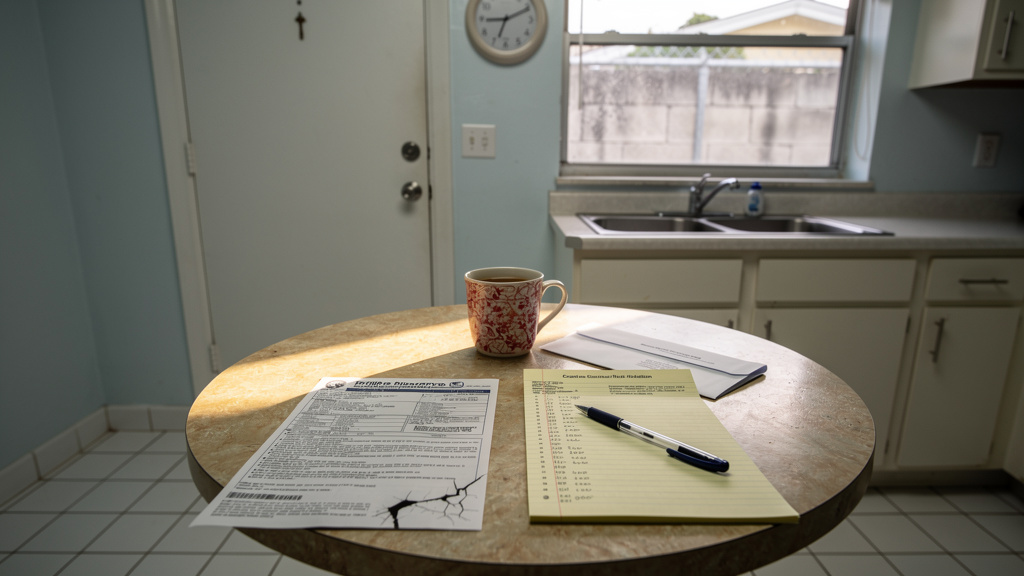
A law firm’s star rating tells you how it treats people, not what your case is worth. In Florida, your outcome depends on four concrete things: what insurance is actually available to pay you, how fault is split, whether your injury meets the permanent-injury threshold for pain and suffering, and how well your treatment is documented. No review can change any of those four variables.
Why does another client’s settlement say almost nothing about mine?
Reviews reflect how a firm communicates, not what your claim might be worth. Reviews tend to focus on whether calls were returned and how staff treated the client, and they rarely explain why a case resolved the way it did. Clients rarely blame lawyers for low settlements because case value hinges on facts unique to each person: their insurance coverage, injury classification, and assigned fault percentage. When someone reads online, “Law Firm X got me $500,000,” and wonders if their own lawyer undervalued their claim, they are comparing apples to oranges. Your crash on Okeechobee Road and your neighbor’s collision on the Palmetto Expressway involve different vehicles, policies, medical findings, and fault determinations. A five-star review cannot alter those realities.
What insurance is actually available to pay me, and why UM coverage often decides Hialeah crash cases?
Your case is worth no more than the insurance available to pay it. Florida does not require drivers to carry bodily injury liability insurance, so many Miami-Dade drivers operate with no coverage to compensate others they injure. When the at-fault driver has no bodily injury policy, your own uninsured motorist (UM) coverage, under Fla. Stat. § 627.727, often becomes the only meaningful source of recovery. UM coverage is optional and must be rejected in writing; if you never signed such a rejection, you likely have it. Check your declarations page. In Hialeah, where uninsured drivers are common, your UM limits set the ceiling for what you can recover if the other side has no insurance. This is not a guarantee of payment, it is the mechanism that determines whether serious compensation is even possible. Without UM, you may be left relying solely on PIP, which covers limited medical bills but no pain and suffering.
How does Florida’s fault rule affect what I can actually recover?
Under Florida’s modified comparative negligence rule (Fla. Stat. § 768.81(6)), your recovery is reduced by your share of fault, and cut off entirely if you are found more than 50 percent at fault. For example, if you are 30 percent responsible, you get 70 percent of your damages. If you are 51 percent responsible, you get nothing. Since HB 837 took effect on March 24, 2023, this greater-than-50-percent bar became a complete defense. Insurance adjusters may argue that you share the fault, for example claiming you changed lanes suddenly, failed to yield, or were distracted, and a finding that you were more than 50 percent at fault would bar your recovery entirely. That is why how fault is assigned matters more than a law firm’s Google rating.
Does my injury qualify for pain and suffering damages in Florida?
PIP pays medical bills regardless of fault, but to recover pain and suffering from the at-fault driver, your injury must meet Florida’s statutory threshold under Fla. Stat. § 627.737(2). You must show one of three things: a permanent injury within a reasonable degree of medical probability, significant and permanent scarring or disfigurement, or permanent loss of an important bodily function. Soft-tissue injuries that fully heal typically do not qualify. This is a legal gate, not a negotiation point. Whether your MRI shows a torn rotator cuff or your burn leaves a visible scar will determine eligibility, not how many five-star reviews your lawyer has. Both highly rated and poorly rated firms face the exact same standard here. If your injury is not permanent and does not involve significant scarring or loss of a bodily function, pain-and-suffering damages against the at-fault driver are generally unavailable, no matter how skilled your attorney appears online.
How does documentation, especially those first 14 days, shape my case’s value?
You must seek initial medical treatment within 14 days of the crash or lose all PIP benefits under Fla. Stat. § 627.736(1)(a). There is no exception for delayed symptoms. PIP pays up to the applicable limit, which depends on whether a physician certifies an emergency medical condition. The order of PIP coverage starts with your own policy, then a household relative’s, and only lastly the vehicle owner’s policy for certain pedestrians or cyclists. Beyond the deadline, gaps in treatment give insurers grounds to argue your injury was minor, pre-existing, or unrelated to the crash. Consistent visits, clear diagnoses, and adherence to care plans build the medical record that supports your claim. Adjusters routinely use missed appointments or inconsistent notes to challenge severity. Your file’s strength lies in what doctors documented, not in your lawyer’s Yelp score.
So what are reviews actually good for when choosing a Hialeah injury firm?
Reviews tell you how a firm communicates during the process, whether they return calls, explain offers plainly, and let you speak with an actual attorney. They do not reveal if the firm knows how to handle UM disputes with local carriers like State Farm or Allstate, or if they are willing to file suit when a claim stalls. Some lawyers believe insurers consider whether a firm is willing to file suit when making offers. Look for patterns in reviews about transparency and accessibility, not dollar figures. Remember, under Florida Bar rules, no attorney can guarantee a specific outcome. Any firm promising a set amount before reviewing your records and coverage is a red flag. A well-reviewed firm won’t change your insurance limits or injury classification, but it can help you understand those four real drivers so you make informed choices.
Frequently asked questions
Can a Florida personal injury lawyer guarantee me a settlement?
No. Florida Bar rules prohibit attorneys from guaranteeing results. Any lawyer who promises a specific payout before reviewing your medical records, insurance coverage, and crash details is violating ethics rules.
The at-fault driver in my Hialeah crash has no insurance. Am I out of luck?
Not necessarily. If you have uninsured motorist (UM) coverage under your own policy, that may provide compensation. UM is optional but must be rejected in writing, check your declarations page or ask your agent.
I waited more than two weeks after my crash to see a doctor. Does that ruin my whole case?
It forfeits your PIP benefits, which cover medical bills and partial lost wages. But you may still pursue a claim against the at-fault driver if they had bodily injury coverage and your injury meets Florida’s permanent-injury threshold.
I was partly at fault for my Hialeah crash. Can I still recover anything?
Yes, as long as you are found 50 percent or less at fault. Your recovery will be reduced by your percentage of fault. If you are found more than 50 percent at fault, you recover nothing under current Florida law.
My injuries are soft tissue and my doctor says they should heal. Can I still claim pain and suffering?
Probably not against the at-fault driver. To recover pain and suffering from the at-fault driver in Florida, your injury must be permanent, cause significant and permanent scarring or disfigurement, or result in permanent loss of an important bodily function. Soft-tissue injuries that fully heal generally do not meet the legal threshold.
Hurt in an accident in Hialeah? Call Wolfson & Leon at 305-965-3766 for a free consultation. We speak Spanish, and there is no fee unless we win.
Key facts
- Florida Bar advertising rules restrict how lawyers may describe past results and prohibit promising results, so reviews are better read for how a firm communicates than as a prediction of what your case is worth. Source: Rules Regulating The Florida Bar, Rule 4-7.13
- Florida does not require drivers to carry bodily injury liability insurance, so many Miami-Dade drivers are on the road with no coverage to pay an injured person's damages. When that happens, the injured person's own uninsured motorist (UM) policy under their own carrier often becomes the only source of real compensation. Source: Fla. Stat. § 627.727
- Under Florida's modified comparative negligence rule, a crash victim's recovery is reduced by their own percentage of fault and eliminated entirely if they are found more than 50 percent at fault. Source: Fla. Stat. § 768.81(6)
- To recover damages for pain and suffering from an at-fault driver in Florida, the injured person must show a permanent injury, significant and permanent scarring or disfigurement, or permanent loss of an important bodily function. Source: Fla. Stat. § 627.737(2)
- A crash victim must seek initial medical treatment within 14 days of the accident or they forfeit all Florida PIP benefits, there is no exception for delayed symptoms. Source: Fla. Stat. § 627.736(1)(a)
Frequently asked questions
Can a Florida personal injury lawyer guarantee me a settlement?
No. Florida Bar advertising rules (Rule 4-7.13) treat promises of results as misleading, and no lawyer can honestly guarantee a specific outcome. Any firm that promises a dollar figure before reviewing your medical records, police report, and insurance coverage is a red flag. A reputable attorney can give you an honest evaluation of strengths and weaknesses, that is the most you can legitimately expect before a case develops.
The at-fault driver in my Hialeah crash has no insurance. Am I out of luck?
Not necessarily. Florida does not require drivers to carry bodily injury liability coverage, so this situation is common in Miami-Dade. Your own uninsured motorist (UM) policy under Fla. Stat. § 627.727 can step in to pay damages when the at-fault driver has no bodily injury coverage or not enough to cover your injuries. UM coverage is optional in Florida and must be rejected in writing, check your own declarations page to see whether you have it and what your limits are.
I waited more than two weeks after my crash to see a doctor. Does that ruin my whole case?
It eliminates your right to PIP benefits. Under Fla. Stat. § 627.736(1)(a), you must receive initial medical treatment within 14 days of the crash or forfeit all personal injury protection benefits regardless of fault. Whether a separate claim against the at-fault driver remains viable depends on your specific facts, injury severity, and available insurance, a late start to treatment is a significant problem insurers will use against you, but it does not automatically bar every avenue of recovery. Get a legal evaluation immediately.
I was partly at fault for my Hialeah crash. Can I still recover anything?
Yes, if you are 50 percent or less at fault. Under Fla. Stat. § 768.81(6), Florida's modified comparative negligence rule reduces your recovery by your share of fault but does not bar recovery unless you are found more than 50 percent responsible. If you are found more than 50 percent at fault, you recover nothing. Fault percentages are often disputed, because a finding over 50 percent bars recovery entirely.
My injuries are soft tissue and my doctor says they should heal. Can I still claim pain and suffering?
Probably not against the at-fault driver in Florida. Under Fla. Stat. § 627.737(2), recovering pain and suffering damages requires proof of a permanent injury within a reasonable degree of medical probability, significant and permanent scarring or disfigurement, or permanent loss of an important bodily function. An injury expected to fully resolve typically does not satisfy this threshold. Your PIP coverage still applies to your medical bills regardless of permanency, but the pain-and-suffering door requires meeting that statutory standard.
This article is general information about Florida law, not legal advice, and reading it does not create an attorney-client relationship. Every case is different and past results do not guarantee a similar outcome. For advice about your situation, call Wolfson & Leon at 305-965-3766 for a free consultation.
Also available in: Versión en español
 Personal injury
How to Check Any Florida Lawyer's Bar Record in Five Minutes
Go to floridabar.org, use the member directory search, type the lawyer's last name, and open their profile. The profile shows whether they are…
 Personal injury
Is Wolfson & Leon Good? Checkable Facts for Hialeah Injury Victims
Instead of trusting an ad or a star rating, judge Wolfson & Leon on facts you can verify yourself: the firm has operated since 1963, maintains a…
 Personal injury
Hurt at PortMiami: Passenger, Crew, or Port Worker, Your Legal Track Matters
Yes, it matters enormously. Passengers, crew members, longshore workers, and port-side visitors each fall under a different legal system, different…