
My Miami Plastic Surgery Went Wrong: Can I Sue and Who Pays?
Yes, you can sue, but botched cosmetic surgery in Florida is a medical malpractice case, not a standard personal injury claim, and the rules are significantly stricter. You must prove the surgeon deviated from the accepted standard of care under Fla. Stat. § 766.102, complete a mandatory pre-suit investigation with a qualified expert, and formally notify every defendant before a lawsuit can be filed. Who ultimately pays depends on whether the surgeon carries malpractice insurance, whether the clinic or anesthesia provider shares responsibility, and how quickly you act, because the deadline to sue is generally two years from when the injury was or should have been discovered, with a four-year outer limit in most cases.
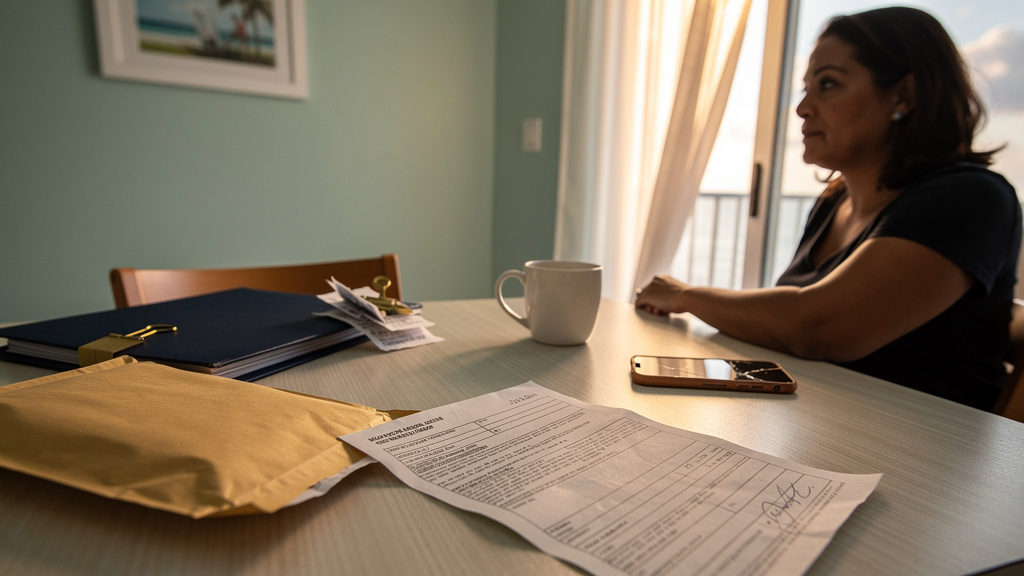
Yes, you can sue, but botched cosmetic surgery in Florida is a medical malpractice case, not a standard personal injury claim, and the rules are significantly stricter. You must prove the surgeon deviated from the accepted standard of care under Fla. Stat. § 766.102, complete a mandatory pre-suit investigation with a qualified expert, and formally notify every defendant before a lawsuit can be filed. Who ultimately pays depends on whether the surgeon carries malpractice insurance, whether the clinic or anesthesia provider shares responsibility, and how quickly you act, because the deadline to sue is generally two years from when the injury was or should have been discovered, with a four-year outer limit in most cases.
Was this a complication or negligence, and does it matter legally?
A bad outcome alone does not equal malpractice. Florida law requires proof that your surgeon failed to meet the standard of care defined in Fla. Stat. § 766.102: the level of care, skill, and treatment recognized as acceptable by reasonably prudent plastic surgeons in similar circumstances. This standard applies equally to elective cosmetic procedures like BBLs or tummy tucks. Signing consent forms acknowledging known surgical risks is not a waiver of your right to sue for negligence. Consent covers expected complications, not mistakes during surgery. Whether you live in Hialeah or flew in from abroad, the same legal standard applies.
What are Florida’s rules for office-based cosmetic surgery, and did the clinic follow them?
Florida regulates office-based surgery facilities differently than hospitals. Clinics performing procedures under general anesthesia or deep sedation must meet specific accreditation and inspection standards set by the Department of Health. In recent years, the state has taken steps to address the high fatality rate associated with Brazilian butt lifts, though the exact rules in place at the time of your procedure must be verified by an attorney and expert during the pre-suit investigation. Violations of these facility rules can support a malpractice claim by showing systemic failures. Miami-Dade has a large number of such clinics, many targeting Spanish-speaking patients in Hialeah and medical tourists from Latin America. Public records can show whether a clinic’s surgeons have faced administrative complaints. These violations may expand liability beyond the individual surgeon.
Who can be held responsible, the surgeon, the clinic, the anesthesia provider, or the recovery house?
Liability in a cosmetic surgery malpractice case may extend beyond the operating surgeon. The surgeon remains the primary defendant if they breached the standard of care under § 766.102. The clinic or management company could also be liable if it failed to properly accredit its facility, hired inadequately credentialed staff, or created unsafe conditions. The anesthesia provider, whether an anesthesiologist or CRNA, is independently subject to the standard of care; their employment status affects how they’re named in suit and must be investigated early. Post-op recovery houses, common in Miami-Dade for out-of-town patients, may operate with less oversight than licensed medical facilities. If substandard care there worsened your condition, that operator may share liability. Regulators and lawmakers have raised concerns about these facilities. Identifying all potential defendants early is critical because pre-suit notice under § 766.106 must be served on each one.
What if the surgeon has no malpractice insurance, can I still recover anything?
Florida does not require every physician to carry malpractice insurance; under certain conditions the law allows a physician to practice without it, although some hospitals and surgery centers require it for credentialing. The absence of insurance does not prevent you from suing. A court judgment against an uninsured surgeon is still valid, but collecting on it depends on their personal assets. An attorney must investigate whether the surgeon owns property, vehicles, or other collectible assets, or whether a clinic entity or management company has insurance that might cover part of the claim. Early discovery of insurance status is essential. The Florida Department of Health Practitioner Profile and Office of Insurance Regulation databases may show reported past claims and payments, which can indicate whether the surgeon has had coverage.
How do you check your surgeon’s license and discipline history before or after surgery?
You can, and should, immediately check your surgeon’s public profile through the Florida Department of Health’s Practitioner Profile tool (search “Florida DOH license lookup”). This free, online database shows if the license is active, restricted, or expired; lists any administrative complaints; details fines or emergency restrictions; and includes reported malpractice payments. These records are public and used by attorneys during pre-suit investigations. While the site is in English, the information is accessible to anyone. If you’re a Spanish-speaking patient from Hialeah or abroad, an attorney can help interpret what the records mean for your case.
What records and evidence should you preserve right now, and what are the legal deadlines?
Request all medical records immediately under Fla. Stat. § 456.057: operative reports, pre-op notes, anesthesia logs, post-op charts, lab results, and discharge instructions. The clinic must provide them. Take date-stamped photos of wounds, swelling, scarring, or deformities, start now and continue weekly. Save every text, WhatsApp message, email, and social media DM with the clinic, surgeon, or recovery house. Do not delete anything. An offer of free revision surgery is not an admission of fault, but save those messages anyway, they may show awareness of a problem. The clock is ticking: you generally have two years from when you discovered (or reasonably should have discovered) the injury to file suit, with a four-year outer limit in most cases and some exceptions, under Fla. Stat. § 95.11. Within that window, your attorney must complete the pre-suit process: get a verified expert opinion, then serve formal notice on all defendants, triggering a mandatory 90-day screening period. The deadline is paused during that 90-day period, but the notice itself must be served before the deadline runs out. Waiting while discussing revisions can forfeit your claim.
Frequently asked questions
A Reddit thread said no malpractice insurance means I can’t sue. Is that true?
No. You can still sue an uninsured surgeon. Insurance affects only whether a third party will pay the judgment, not your right to bring the case. Collection then depends on the surgeon’s personal assets.
The clinic is offering me a free revision procedure. Is that an admission of guilt?
Not legally. An offer to correct a result is not, by itself, a formal admission of negligence. Still, save all communications, they may help show the clinic recognized something went wrong.
I flew to Miami from another country for surgery. Can I still sue in Florida?
Yes. If the surgery occurred in Florida, Florida courts have jurisdiction. Your residence does not bar a claim.
What is the pre-suit process, and why does it matter?
Before filing a medical malpractice lawsuit in Florida, you must obtain a written expert opinion confirming negligence, then send formal notice to every potential defendant. This triggers a 90-day investigation period during which no suit can be filed. Skipping this step can get your case dismissed.
Can I sue the recovery house where I stayed after my Miami surgery?
Possibly. If the recovery house provided medical-like care without qualified staff and that failure worsened your condition, it may share liability. These facilities may be lightly regulated, but harm caused by their negligence can be actionable.
Hurt in an accident in Hialeah? Call Wolfson & Leon at 305-965-3766 for a free consultation. We speak Spanish, and there is no fee unless we win.
Key facts
- Florida requires proof that a surgeon deviated from the accepted standard of care before a medical malpractice claim can proceed. Source: Fla. Stat. § 766.102
- Before filing suit, the claimant must obtain a verified written opinion from a qualified medical expert corroborating that negligence occurred, then serve a formal notice of intent on each defendant, triggering a 90-day pre-suit screening period during which no lawsuit may be filed. Source: Fla. Stat. § 766.203; Fla. Stat. § 766.106
- The statute of limitations for medical malpractice in Florida is generally two years from the date the injury was discovered or reasonably should have been discovered, with a four-year outer limit in most cases. Source: Fla. Stat. § 95.11
- Patients have the right to copies of their medical records and providers are required to maintain them; obtaining those records promptly is essential to building any malpractice claim. Source: Fla. Stat. § 456.057
- Florida's Department of Health administrative complaint records and license lookup are public and can reveal prior fines, discipline, or emergency restrictions against a surgeon. Source: Florida Department of Health, Practitioner Profile / License Verification
Frequently asked questions
A Reddit thread said no malpractice insurance means I can't sue. Is that true?
No, that is a common myth. The absence of malpractice insurance does not eliminate your legal right to bring a claim, it may affect how and from whom you collect if you win a judgment. An attorney must investigate whether the surgeon has personal assets, whether the clinic entity carries coverage, or whether any other insured party shares responsibility for your injuries. Discovering the insurance picture early is one of the first things a medical malpractice attorney does.
The clinic is offering me a free revision procedure. Is that an admission of guilt?
Not automatically, and you should not treat it as one. A free revision offer is not a formal admission of liability under Florida law, and accepting it could complicate your claim if the second procedure causes further harm. Save every written communication about the offer, text messages, emails, anything in writing, because those records are relevant evidence even if they are not an admission. Talk to a lawyer before agreeing to any additional procedure at the same clinic.
I flew to Miami from another country for surgery. Can I still sue in Florida?
Yes. If the surgery was performed in Florida, Florida courts have jurisdiction over the surgeon and facility, regardless of where you live. The same rules under Fla. Stat. § 766.102, § 766.203, and § 766.106 apply, the pre-suit investigation, expert opinion, and notice of intent requirements are the same for every patient. The statute of limitations is generally two years from when you discovered or reasonably should have discovered the injury, with a four-year outer limit in most cases. International patients should move quickly because gathering records and finding a qualified expert takes time that counts against that window.
What is the pre-suit process, and why does it matter?
Before a Florida medical malpractice lawsuit can be filed, your attorney must complete a reasonable investigation, obtain a verified written opinion from a qualified medical expert confirming that negligence likely occurred, and then formally notify every prospective defendant of your intent to sue under Fla. Stat. § 766.106. That notice triggers a mandatory 90-day screening period during which no lawsuit can be filed. The case can sometimes settle during that window, and the statute of limitations is paused during those 90 days. If it does not settle, the lawsuit is filed after the 90 days expire. Missing any step in this process can cause a court to dismiss your case.
Can I sue the recovery house where I stayed after my Miami surgery?
Possibly, but this requires careful investigation by an attorney. Post-operative recovery houses are common in Miami-Dade for out-of-town and international patients, and state investigators and lawmakers have raised concerns about whether these facilities have qualified medical staff available. Whether a specific recovery house had a legal duty of care to you, and whether a breach of that duty contributed to your complications, are questions that depend on the specific facts, including what services the house represented it would provide. This is an emerging and contested area of Florida law, and an attorney must evaluate the facts before advising whether the recovery house is a viable defendant.
This article is general information about Florida law, not legal advice, and reading it does not create an attorney-client relationship. Every case is different and past results do not guarantee a similar outcome. For advice about your situation, call Wolfson & Leon at 305-965-3766 for a free consultation.
Also available in: Versión en español
 Medical malpractice
Surgical Complications and Consent Forms Do Not Bar Your Florida Malpractice Claim
Consenting to a risk is not the same as consenting to negligence. Under Florida law, a complication that was listed on a consent form can still be…
 Medical malpractice
Doctors Found a Sponge Left Inside Me From Surgery: Do I Have a Case?
Yes, and Florida law gives you a significant head start. Under Fla. Stat. § 766.102, discovering a surgical sponge, clamp, forceps, or similar…
 Medical malpractice
Surgery Went Wrong: Who Do You Sue, Surgeon, Anesthesiologist, or Hospital?
The answer depends on who employed each member of your surgical team and what specifically caused the harm. In Florida, surgeons and…