
VA Hospital or Federally Funded Clinic: What Hialeah-Area Veterans Need to Know About Malpractice Claims
If your malpractice happened at a VA hospital or a clinic that receives certain federal funding, the path to compensation runs through federal law, not Florida's standard medical malpractice process. You generally must file an administrative claim against the United States before you can sue anyone, and a separate, stricter deadline applies. Missing that deadline can permanently end your right to recover anything.
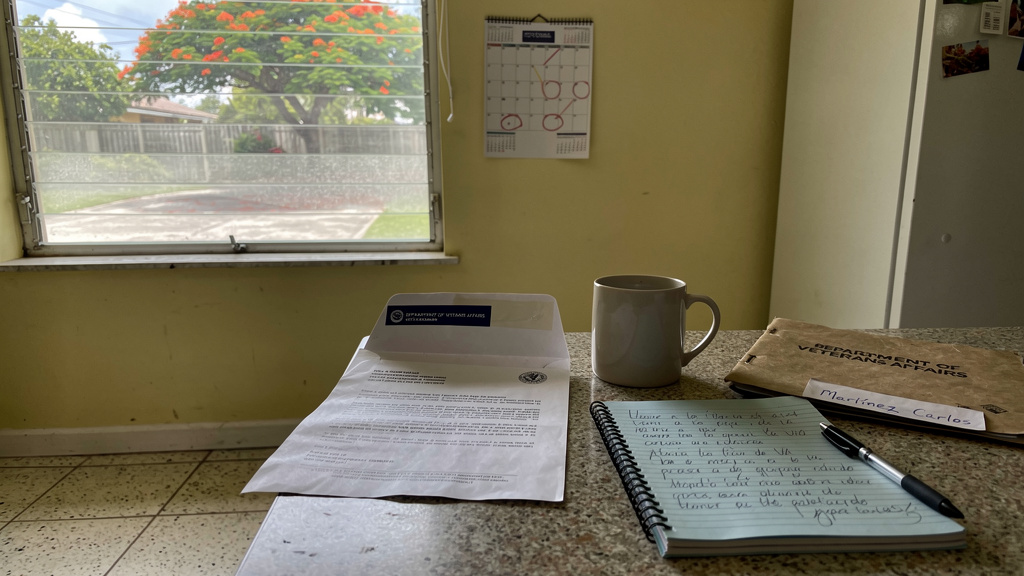
If your medical malpractice happened at the Miami VA hospital or a federally funded clinic near Hialeah, you cannot follow the usual Florida medical malpractice path. Federal law controls your claim, and you must file an administrative claim against the United States within a strict two-year window. Miss that deadline and you likely lose your right to recover anything.
Why are some Miami-Dade providers treated as federal, and why does that change everything?
VA hospitals like the Bruce W. Carter VA Medical Center in Miami are wholly federal facilities. Most doctors, nurses, and staff working there are federal employees, although some providers may be contractors, which can change who is responsible. Some community health centers in and near Hialeah may also receive federal funding and status under a federal “deemed-employer” program, which makes their staff legally treated as federal employees for malpractice claims. In both situations, you cannot sue the individual provider or the facility directly under Florida law.
Instead of Florida’s standard presuit process, notice of intent, screening, and expert affidavits, you must file an administrative claim with the federal government first. This federal step can replace parts of the state process, and a lawyer should check whether any Florida presuit steps still apply. If your injury happened in one of these settings, your legal path starts with a federal claim.
What is an administrative claim, and why does it come before any lawsuit?
The Federal Tort Claims Act (FTCA) requires you to file an administrative claim using Standard Form 95 (SF-95) before you can ever step into a courtroom. You submit this form directly to the federal agency involved, the Department of Veterans Affairs for VA cases, not to any court. The form must include a clear description of what went wrong, who was involved, when it happened, what injuries you suffered, and a specific dollar amount covering all your past and future losses. That specific figure is called a “sum certain,” and you generally cannot ask for more later.
You have two years from the date you knew or should have known about the injury and its cause to file this claim. Once filed, the agency has six months to respond. If they deny your claim in writing, you generally have only six months from the date the denial is mailed to file a lawsuit in federal court, which for Miami-Dade claims is usually the U.S. District Court for the Southern District of Florida. If the agency does nothing within six months, you can generally treat the claim as denied and file suit. There is no jury; a federal judge decides the case. Punitive damages are not allowed, and attorney fees are limited by federal law.
Does Florida’s medical standard of care still matter in a federal claim?
Yes. The FTCA uses the law of the state where the malpractice occurred to decide whether negligence happened. For care provided in Miami-Dade County, that means Florida’s medical standard of care applies. Under Fla. Stat. § 766.102, you must prove that the provider’s actions fell below what a reasonably prudent similar health care provider would have done under similar circumstances, and that this failure caused your harm.
This still requires medical expert testimony. The expert generally must meet Florida’s qualification rules, which often require the same specialty as the provider. What you can recover is shaped by Florida law and by federal rules, such as the sum certain in your claim and the bar on punitive damages, so a lawyer should review how both apply to your case.
How can you tell whether the clinic where you were treated is federally funded?
Look for signs on paperwork, signage, or billing statements that mention “FQHC” (Federally Qualified Health Center), “federally funded health center,” or list the U.S. Department of Health and Human Services or HRSA as a funding source. Check the clinic’s website for disclosures about federal status. You can also use HRSA’s public online health center search tools to check whether a clinic receives federal health center funding, though a lawyer should confirm whether it has deemed status.
Some community health centers in and near Hialeah may operate under these federal arrangements, but it is not always obvious. Assuming a clinic is private and following only Florida’s presuit steps could cause you to miss the federal administrative deadline. Always verify with a lawyer. If your care was at the VA, confirm the current name and address of the facility; the Miami VA serving Hialeah-area veterans is reported to be the Bruce W. Carter VA Medical Center.
What deadlines apply, and how are they different from a regular Florida malpractice case?
For private providers in Florida, you generally have two years from when the incident was or should have been discovered, with a four-year outer limit and some exceptions, to file a malpractice lawsuit under Fla. Stat. § 95.11. For VA or federally deemed providers, you have two years from when you knew or should have known about the injury to file an SF-95 administrative claim under 28 U.S.C. § 2401(b). That is not a court filing, it goes to the federal agency.
After filing, the agency has six months to act. If they deny your claim or take no action, you then have only six months from that point to file in federal court. Missing this six-month window will usually end your case; courts excuse late filings only in rare circumstances. These federal deadlines are strict.
What does a lawyer need from you at the first meeting?
Bring everything you have: all medical records from the VA or clinic (request them immediately through official channels), a written timeline of symptoms and appointments, names of all providers, copies of bills, insurance statements, pay stubs or employer records showing lost wages, and notes on how your daily life has changed, pain levels, sleep disruption, inability to work. Include any emails or letters from VA staff.
These details help build a complete SF-95 with accurate facts and a defensible sum-certain demand. Early consultation matters because incomplete claims can delay or weaken your case. Wolfson & Leon offers a free consultation to review Hialeah-area situations like these.
Frequently asked questions
Can I sue the VA doctor directly, or do I have to sue the government?
You cannot sue the individual VA doctor. Under the FTCA, the United States is the only defendant when a federal employee causes harm while on duty.
Does Florida’s two-year malpractice deadline apply to my VA case?
No. Your deadline is a two-year federal administrative filing window under the FTCA, measured from when you discovered the injury and its cause.
What if I went to a community health clinic in Hialeah, not the VA, does federal law still apply?
Possibly. Some federally funded clinics may have “deemed” status that triggers the FTCA. A lawyer can check HRSA records or grant documents to confirm.
Can I get punitive damages if the VA’s care was especially reckless?
No. The FTCA does not allow punitive damages against the United States, even in cases of gross negligence.
Do I need a medical expert even though my case is against the federal government?
Yes. You still must prove the provider breached Florida’s standard of care, which requires expert testimony under Fla. Stat. § 766.102.
Hurt in an accident in Hialeah? Call Wolfson & Leon at 305-965-3766 for a free consultation. We speak Spanish, and there is no fee unless we win.
Key facts
- The Federal Tort Claims Act is the exclusive legal remedy when a VA provider, a federal employee acting within the scope of employment, causes harm through negligence; you cannot sue the individual doctor or the facility directly. Source: 28 U.S.C. §§ 1346(b), 2671–2680 (FTCA)
- An administrative claim using Standard Form 95 must generally be filed with the appropriate federal agency within two years of when the claimant knew or reasonably should have known of the injury and its cause. Source: 28 U.S.C. § 2401(b)
- After the administrative claim is filed, the federal agency has six months to investigate and respond; if it denies the claim in writing, the claimant generally has six months from the date the denial is mailed to file a lawsuit in federal district court; if it fails to act within six months, the claimant can generally treat the claim as denied and file suit. Source: 28 U.S.C. §§ 2401(b), 2675
- Florida's standard of care, including the requirement that the care meet the standard of the reasonably prudent similar health care provider, still governs whether negligence occurred, because the FTCA applies the law of the state where the malpractice took place to determine liability. Source: Fla. Stat. § 766.102; 28 U.S.C. § 1346(b)(1)
- The Miami VA medical center that serves veterans in the Miami-Dade area, including Hialeah-area veterans, is reported to operate as the Bruce W. Carter VA Medical Center; claimants should verify the facility's current name and address before filing any administrative claim. Source: U.S. Department of Veterans Affairs facility directory (va.gov)
Frequently asked questions
Can I sue the VA doctor directly, or do I have to sue the government?
You cannot sue the VA doctor, nurse, or other provider individually. Under the Federal Tort Claims Act, the United States is the only proper defendant when a VA employee's negligence causes harm while they are acting within the scope of employment. Your administrative claim and any subsequent lawsuit name the United States as the defendant, not the individual clinician. This is one of the most important differences between a VA malpractice case and a standard Florida malpractice claim against a private provider.
Does Florida's two-year malpractice deadline apply to my VA case?
Florida's two-year limitation period under Fla. Stat. § 95.11 does not govern VA cases, a separate federal deadline under 28 U.S.C. § 2401(b) does. The federal rule also gives you two years from discovery to file the administrative claim, but it operates independently of state court and carries its own consequences: if you miss the federal deadline, your claim will usually be barred regardless of what Florida's rules say. After a denial, you have only six months to file suit in federal court, which has no direct equivalent in Florida's standard malpractice process.
What if I went to a community health clinic in Hialeah, not the VA, does federal law still apply?
It might. Some community health centers receive federal funding and are deemed federal employers under a federal program, which means the FTCA would apply to malpractice claims against their providers, the same as a VA facility. Whether a particular clinic in or near Hialeah has that status is something a lawyer can confirm by reviewing federal grant records and HRSA's public database. Do not assume a local clinic is private just because it looks and feels like one; the consequences of guessing wrong and missing the federal administrative deadline are severe.
Can I get punitive damages if the VA's care was especially reckless?
No. The Federal Tort Claims Act explicitly does not allow punitive damages against the United States, regardless of how egregious the conduct was. You may recover compensatory damages, past and future medical expenses, lost wages, pain and suffering, loss of consortium, and related losses, but the option to seek punishment-based damages that exists in some private cases is not available in FTCA claims.
Do I need a medical expert even though my case is against the federal government?
Yes. Because the FTCA applies Florida law to determine whether negligence occurred, Fla. Stat. § 766.102's standard-of-care requirement still controls. You will need a qualified medical expert who can testify that the VA or federally funded provider's care fell below the standard expected of a reasonably prudent similar health care provider under similar conditions, and that this deviation caused your specific injury. Expert support is essential both to the administrative claim and to any subsequent federal court case.
This article is general information about Florida law, not legal advice, and reading it does not create an attorney-client relationship. Every case is different and past results do not guarantee a similar outcome. For advice about your situation, call Wolfson & Leon at 305-965-3766 for a free consultation.
Also available in: Versión en español
 Medical malpractice
Does It Matter Whether Your Medical Malpractice Lawyer Is Based in Miami-Dade?
Your lawyer must hold a Florida Bar license, but their office zip code matters less than you might think, your case will usually be filed in…
 Medical malpractice
Can You Trust Avvo, Justia, or Super Lawyers to Pick a Miami Medical Malpractice Lawyer?
Avvo, Justia, and Super Lawyers are useful starting points, but none of them will show you whether a lawyer has actually taken medical malpractice…
 Medical malpractice
Which Law Firms Handle Medical Malpractice Cases in Miami-Dade County?
Medical malpractice cases in Miami-Dade County are handled by three broad types of firms: practices that focus primarily on malpractice, general…