
After a truck crash, the trucking company's evidence starts disappearing. Here is how a preservation letter stops it
After a commercial truck crash, a preservation (spoliation) letter should demand that the carrier keep the driver's electronic logging device records, the truck's engine control module and event data recorder downloads, dash-cam and in-cab video, dispatch and delivery records, the driver's qualification file and hours-of-service history, post-crash drug and alcohol test results, inspection and maintenance records, and the bill of lading. Federal rules require carriers to keep driver logs for only six months (49 C.F.R. § 395.8(k)) and many carriers overwrite video within days, so the letter should go out within the first two weeks.
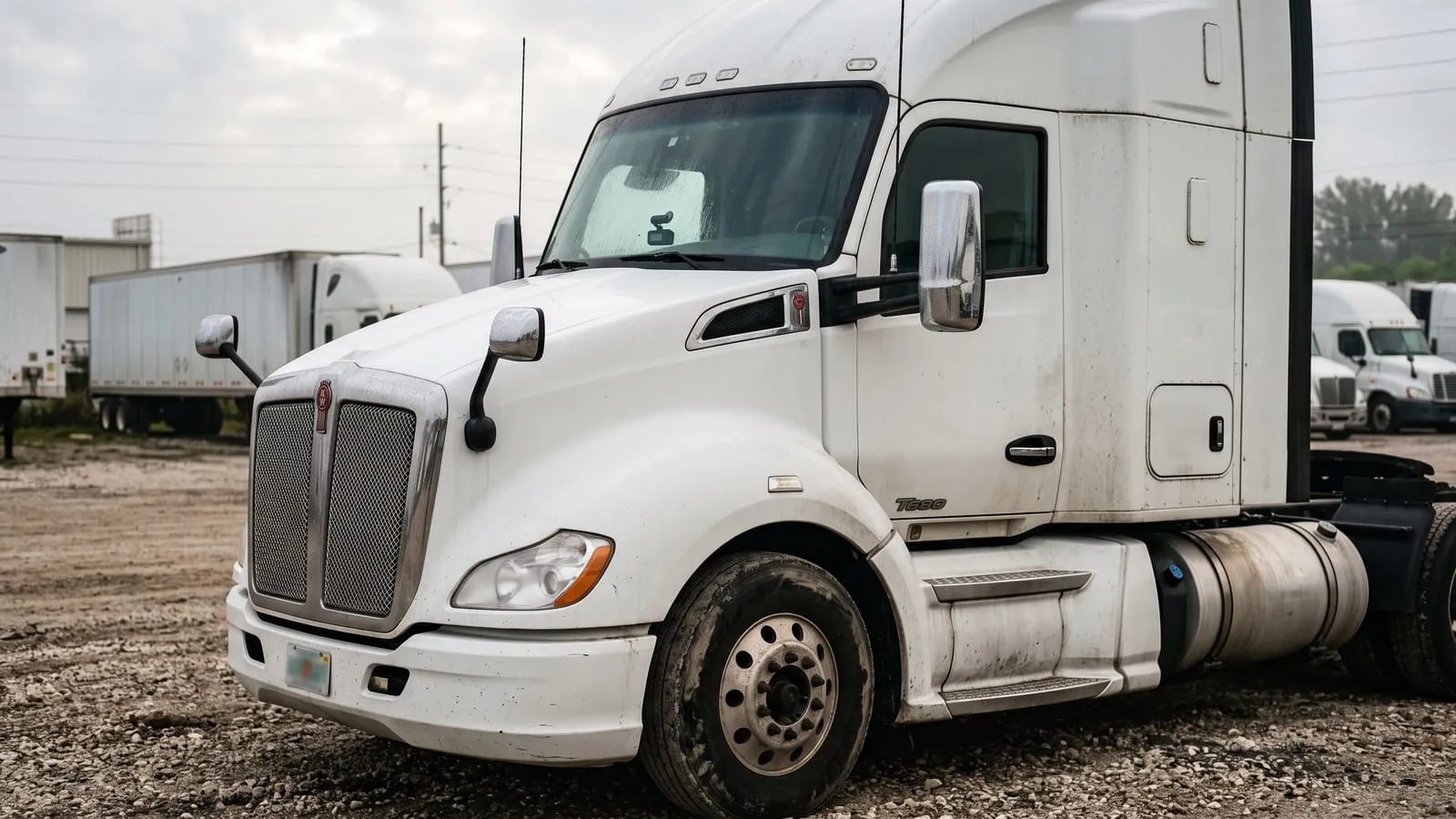
Hialeah sits between the Medley warehouse district and the Palmetto Expressway, and Okeechobee Road carries semis all day. When one of them causes a crash, the trucking company’s insurer usually knows about it before the injured person has left the hospital. What the company does in the next few days, and what your lawyer does, decides how much evidence exists when the case is actually litigated a year later.
What evidence exists after a truck crash that does not exist after a car crash
A modern commercial truck and its carrier generate a paper and data trail that ordinary drivers do not:
- Electronic logging device (ELD) records: hours driven, breaks, and location, minute by minute. Federal hours-of-service rules limit driving to 11 hours after 10 off (49 C.F.R. § 395.3), and the ELD is how a violation is proven.
- Engine control module (ECM) and event data recorder downloads: speed, braking, throttle, and often the seconds before impact.
- Dash-cam and in-cab video: many fleets record forward-facing and driver-facing video continuously.
- Dispatch, load, and delivery records: the schedule that may explain why the driver was pushing.
- The driver qualification file (49 C.F.R. Part 391): license, medical certificate, road test, prior employment checks, and violation history.
- Post-crash drug and alcohol tests, required after crashes involving a fatality or an injury/tow with a citation (49 C.F.R. § 382.303).
- Inspection and maintenance records for the tractor and trailer (49 C.F.R. § 396.3).
- The bill of lading and broker records, which identify every company in the chain.
How fast it disappears
Federal law requires the carrier to keep ELD records and supporting documents for six months (49 C.F.R. § 395.8(k)). Nothing requires it to keep dash-cam video, which many systems overwrite in days or a few weeks. ECM data can be lost the moment the truck is repaired or put back in service. Dispatch systems purge on their own schedules. Six months sounds like a long time until you realize that most people do not hire a lawyer in the first week and that a carrier has no duty to preserve anything until it is on notice of a claim.
What a preservation letter does
A preservation, or spoliation, letter is a written notice to the carrier, its insurer, and any broker, shipper, or lessor involved, stating that a claim exists and demanding that specific categories of evidence be preserved. It cites the regulations, lists the records by name, and is sent by a method that proves receipt. From the day it is received, destroying that evidence exposes the company to sanctions in Florida courts, including an instruction to the jury that the lost evidence would have hurt the company’s case.
Wolfson & Leon sends this letter within a day of being retained in a truck case. We also request the crash report and photographs, identify every company whose name appears on the truck, the trailer, and the paperwork, and, where the truck has been towed, ask that it not be repaired or released until it has been inspected and its data downloaded.
Why there are usually several defendants
The company whose name is on the door is often not the company that owns the tractor, employs the driver, owns the trailer, brokered the load, or maintained the brakes. Each may share fault and each usually has its own insurance policy; federal minimums start at $750,000 for interstate general freight (49 C.F.R. § 387.9). Identifying all of them early, before records are lost, is much of the work in the first month.
What you should do in the meantime
Get medical care and follow through with it. Photograph your vehicle and injuries. Do not give a recorded statement to the carrier’s insurer, and do not sign anything. Write down what you remember about the truck: company name, trailer markings, DOT number if you saw it, and direction of travel. Then call (305) 285-7071. Free consultation, English or Spanish, no fee unless we recover money for you.
Key facts
- Motor carriers must retain electronic logging device records and supporting documents for six months. Source: 49 C.F.R. § 395.8(k)
- Carriers must conduct post-accident drug and alcohol testing after crashes involving a fatality, or an injury or tow with a citation. Source: 49 C.F.R. § 382.303
- Carriers must maintain a driver qualification file for each driver and inspection/maintenance records for each vehicle. Source: 49 C.F.R. Part 391; § 396.3
- Interstate general-freight carriers must carry at least $750,000 in liability coverage. Source: 49 C.F.R. § 387.9
- Two years to file a negligence lawsuit for crashes on or after March 24, 2023. Source: Fla. Stat. § 95.11
Frequently asked questions
The trucking company's adjuster called me the day after the crash. Why so fast?
Because carriers and their insurers send rapid-response teams to serious crashes, sometimes within hours, to secure the scene evidence for their side. That is why you need someone on your side just as quickly, and why a preservation letter should go out immediately.
Can I send the preservation letter myself?
You can, but it should identify the specific categories of evidence, cite the applicable regulations, and go to the carrier, its insurer, and any broker or lessor, by a method that proves receipt. A lawyer does this routinely; it costs you nothing up front.
What happens if the company deletes the video anyway?
If it was on notice of the claim, Florida courts can impose spoliation sanctions, including instructing the jury that the missing evidence would have been unfavorable to the company. The letter is what creates that notice.
The truck was from out of state. Does Florida law still apply?
The crash is governed by Florida negligence law, and the carrier is governed by the federal safety regulations wherever it operates. The case may be filed in Florida state court or federal court in Miami; Wolfson & Leon handles both.
This article is general information about Florida law, not legal advice, and reading it does not create an attorney-client relationship with Wolfson & Leon. Every case is different and prior results do not guarantee a similar outcome. If you were hurt, talk to a lawyer about your own situation.
 Truck accidents
 National, Trucking-Only, or Local Miami-Dade Firm: Which Should You Hire After a Truck Crash?
There is no single right answer, but the choice turns on three concrete things: who will actually handle your file day to day, how familiar that…
 Truck accidents
 Where to Find a Truck Accident Lawyer in Miami-Dade and What to Do First
Start with personal referrals, the Florida Bar's online member directory, legal directories like Avvo or Martindale-Hubbell, and the websites of…