
My Family Member Died in a Miami Truck Crash: Who Can File and How?
In Florida, the lawsuit is not filed by grieving family members individually, it is filed by the personal representative of the deceased's estate, who acts on behalf of all eligible survivors in a single case under Fla. Stat. § 768.20. Eligible survivors who can recover include the surviving spouse, children, parents, and certain dependent relatives under Fla. Stat. § 768.18. Families generally have two years from the date of death to file under Fla. Stat. § 95.11, and trucking evidence like black-box data can disappear long before that deadline arrives.
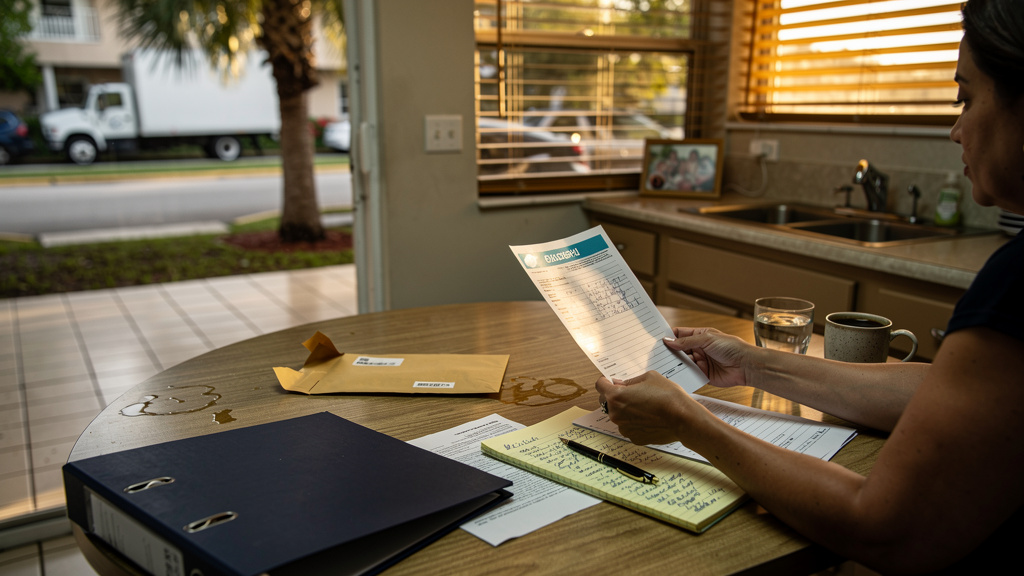
In Florida, the lawsuit is not filed by grieving family members individually. It is filed by the personal representative of the deceased’s estate, who acts on behalf of all eligible survivors in a single case under Fla. Stat. § 768.20. Eligible survivors include the surviving spouse, children, parents, and certain dependent relatives under Fla. Stat. § 768.18. Families generally have two years from the date of death to file under Fla. Stat. § 95.11, and trucking evidence like black-box data can disappear long before that deadline arrives.
Who actually files the lawsuit, and why it isn’t us as family members?
The family does not sue. The estate’s personal representative does, and that appointment comes from a probate judge, not from the family. Under Fla. Stat. § 768.20, “the action shall be brought by the decedent’s personal representative, who shall recover for the benefit of the decedent’s survivors and estate all damages.” If your loved one left a will, the will may name a personal representative. If there is no will or no named representative, a Miami-Dade circuit court judge appoints one through the probate process. That person then brings one wrongful death lawsuit on behalf of everyone entitled to recover. No individual family member can file their own separate suit. This rule prevents conflicting verdicts and ensures all claims are resolved together.
Which family members are entitled to recover, and what can each of us get?
Fla. Stat. § 768.18 defines survivors as the decedent’s spouse, children, parents, and blood relatives or adoptive siblings who were wholly or partly dependent on the deceased for support. Each category receives different types of damages under Fla. Stat. § 768.21. All survivors may recover lost support and services from the date of injury. A surviving spouse may also recover for loss of companionship, protection, and mental pain and suffering. Minor children, and all children if there is no spouse, may recover for loss of parental guidance and mental pain and suffering. Parents of a deceased minor child may recover for mental pain and suffering; recovery for parents of an adult child is more limited and depends on specific facts. The estate itself may recover medical expenses, funeral costs, lost earnings, and prospective net accumulations. Your exact entitlement depends on your relationship and circumstances, which a lawyer must review individually.
How long does our family have to file, and why does waiting cost us more than just time?
Florida law generally requires a wrongful death action to be filed within two years of the date of death under Fla. Stat. § 95.11. The specific subsection that applies should be confirmed with counsel. But even if you have two years on paper, critical evidence vanishes much sooner. Some electronic data on trucks, such as event data recorder (black box) readings, can be overwritten, and federal rules require carriers to keep electronic logging records only for limited periods. Dashcam footage may be deleted on automated schedules. Maintenance logs, driver qualification files, and daily inspection reports follow corporate retention policies that do not wait for lawsuits. Witnesses move or forget details. Lawyers stress early expert involvement because once this evidence is gone, it cannot be recreated. In a fatal crash, there is no injured survivor to recount what happened, so the records are everything.
What if the truck was owned or operated by a city, county, or government contractor?
If the truck belonged to Miami-Dade County, the City of Miami, or another Florida government entity, special rules apply under Fla. Stat. § 768.28. Before you can sue, you must serve a written notice of claim on the agency. You generally cannot file a lawsuit until a waiting period passes after that notice. These pre-suit steps take time, so the family should not wait. Miami-Dade operates many vehicles: Metrobus, solid waste trucks, public works equipment. Find out immediately who owned or controlled the truck. If a government body is involved, contact a lawyer right away to preserve your rights.
Why does trucking evidence matter so much more in a fatal crash than in an ordinary car case?
Commercial trucks operating in Florida must follow federal motor carrier safety regulations under Fla. Stat. § 316.302. These rules cover driver hours, vehicle inspections, drug testing, cargo securement, and hiring standards, each generating detailed records. In a fatal crash, those records are your only window into what happened. Unlike in non-fatal crashes, there is no eyewitness account from your loved one. Liability may extend beyond the driver to the trucking company, trailer owner, cargo loader, or maintenance firm. Commercial trucks often carry layered insurance: primary liability coverage plus excess or umbrella policies. Minimum required coverage rarely covers a wrongful death claim fully. Identifying every liable party and every available policy is essential to full recovery.
What should our family ask a lawyer before signing anything?
After a sudden death, families feel overwhelmed and unsure what questions to ask. Do not talk to the trucking company’s insurer or sign any release before consulting your own attorney. Their lawyer protects the carrier’s interests, not yours. At your first consultation, ask:
- Will you personally handle the case, or will it be passed to another attorney or paralegal?
- Have you handled wrongful death cases involving commercial trucks in Miami-Dade specifically?
- Who are all the potentially liable parties and insurance carriers you have identified so far?
- What evidence needs to be preserved immediately, and will you send a preservation letter today?
- What is your fee structure, is it contingency, and what percentage, and are litigation costs taken from the recovery?
- Who will be appointed as personal representative and what does that process involve in Miami-Dade?
- What is the realistic timeline for this case from filing through resolution?
Wolfson & Leon meets families at home or by phone, in English or Spanish. The initial consultation costs nothing, and we charge no fee unless there is a recovery.
Frequently asked questions
Can each family member file their own separate wrongful death lawsuit in Florida?
No. Florida law allows only one wrongful death lawsuit, filed by the personal representative of the estate on behalf of all survivors. Individual family members cannot bring separate suits.
What if our loved one did not have a will, who becomes the personal representative?
If there is no will naming a representative, a Miami-Dade probate judge will appoint one. Typically, this is a close family member, but the court makes the final decision based on Florida probate law.
Do we have to pay a lawyer upfront to pursue a wrongful death case?
No. Most personal injury firms, including Wolfson & Leon, work on contingency, meaning no upfront payment. You pay nothing unless there is a recovery, and fees come from that recovery.
The trucking company’s insurance adjuster already called us. Should we talk to them?
Do not give a recorded statement or sign any document before speaking with your own attorney. The adjuster represents the trucking company, not your family. Their goal is to limit the company’s liability.
Can we still file if the truck was a government vehicle, like a county dump truck or a transit bus?
Yes, but you must follow special procedures under Florida law for claims against government entities. This includes serving written notice before filing suit. Act quickly, because these pre-suit steps take time.
Related reading: My family member was killed in an accident in Hialeah. Who can bring a claim? · A truck hit me in Hialeah. Is that different from a car accident? · The 14-day PIP rule in Florida: what happens if you wait to see a doctor after a Hialeah car accident · How long do I have to file an injury lawsuit in Florida? The two-year rule after HB 837
Hurt in an accident in Hialeah? Call Wolfson & Leon at 305-965-3766 for a free consultation. We speak Spanish, and there is no fee unless we win.
Key facts
- Only the personal representative of the estate may file a Florida wrongful death lawsuit, individual survivors cannot file separate suits in their own names. Source: Fla. Stat. § 768.20
- Eligible survivors who may recover include the surviving spouse, children, parents, and blood relatives or adoptive siblings who were wholly or partly dependent on the deceased for support. Source: Fla. Stat. § 768.18
- Florida's statute of limitations for wrongful death is generally two years from the date of death for claims governed by the current law. Source: Fla. Stat. § 95.11
- Commercial trucks operating in interstate commerce must comply with federal motor carrier safety regulations, which govern hours of service, vehicle inspection, and driver qualifications, violations of these rules can be used as evidence of negligence. Source: Fla. Stat. § 316.302
- When the truck involved belonged to a city, county, or other Florida government entity, the family must follow specific pre-suit notice requirements and other special rules that apply to claims against public bodies. Source: Fla. Stat. § 768.28
Frequently asked questions
Can each family member file their own separate wrongful death lawsuit in Florida?
No. Florida law requires a single lawsuit brought by the personal representative of the deceased's estate under Fla. Stat. § 768.20. A surviving spouse cannot file one case while an adult child files another. The personal representative holds all survivors' claims inside one action and recovers on behalf of all of them. If the family has not yet opened a probate estate, a Miami-Dade court can appoint a personal representative for that purpose.
What if our loved one did not have a will, who becomes the personal representative?
When the deceased did not leave a will naming a personal representative, a probate court appoints one. In Miami-Dade, that process goes through the circuit court. Florida's probate code sets a priority order for who may be appointed, typically a surviving spouse or an adult child, but the court makes the final determination. An attorney can help the family initiate this process quickly so the wrongful death claim is not delayed.
Do we have to pay a lawyer upfront to pursue a wrongful death case?
Personal injury and wrongful death attorneys in Florida typically work on a contingency fee basis, meaning the family pays no attorney's fees unless the lawyer recovers money for them. Out-of-pocket costs for filing fees, expert witnesses, and investigation are handled differently by different firms, so families should ask exactly how costs are structured before signing a retainer. The initial consultation is generally free.
The trucking company's insurance adjuster already called us. Should we talk to them?
Do not give a recorded statement or sign any release before speaking with your own attorney. The adjuster works for the carrier's insurer, whose interest is in limiting or closing the claim, not in protecting your family's recovery. Early statements, even innocent ones, are routinely used later to reduce the value of a case. You are not legally required to speak with the other side's insurer before you have counsel.
Can we still file if the truck was a government vehicle, like a county dump truck or a transit bus?
Yes, but the process is different. Claims against Florida government entities, including Miami-Dade County vehicles, are governed by Fla. Stat. § 768.28, which requires the family to serve a written notice of claim before filing a lawsuit and imposes a mandatory waiting period after that notice. Missing this pre-suit step can bar the claim entirely. Because these pre-suit requirements add steps and waiting time before a lawsuit can be filed, the family should contact an attorney immediately if any government entity may have been involved.
This article is general information about Florida law, not legal advice, and reading it does not create an attorney-client relationship. Every case is different and past results do not guarantee a similar outcome. For advice about your situation, call Wolfson & Leon at 305-965-3766 for a free consultation.
Also available in: Versión en español